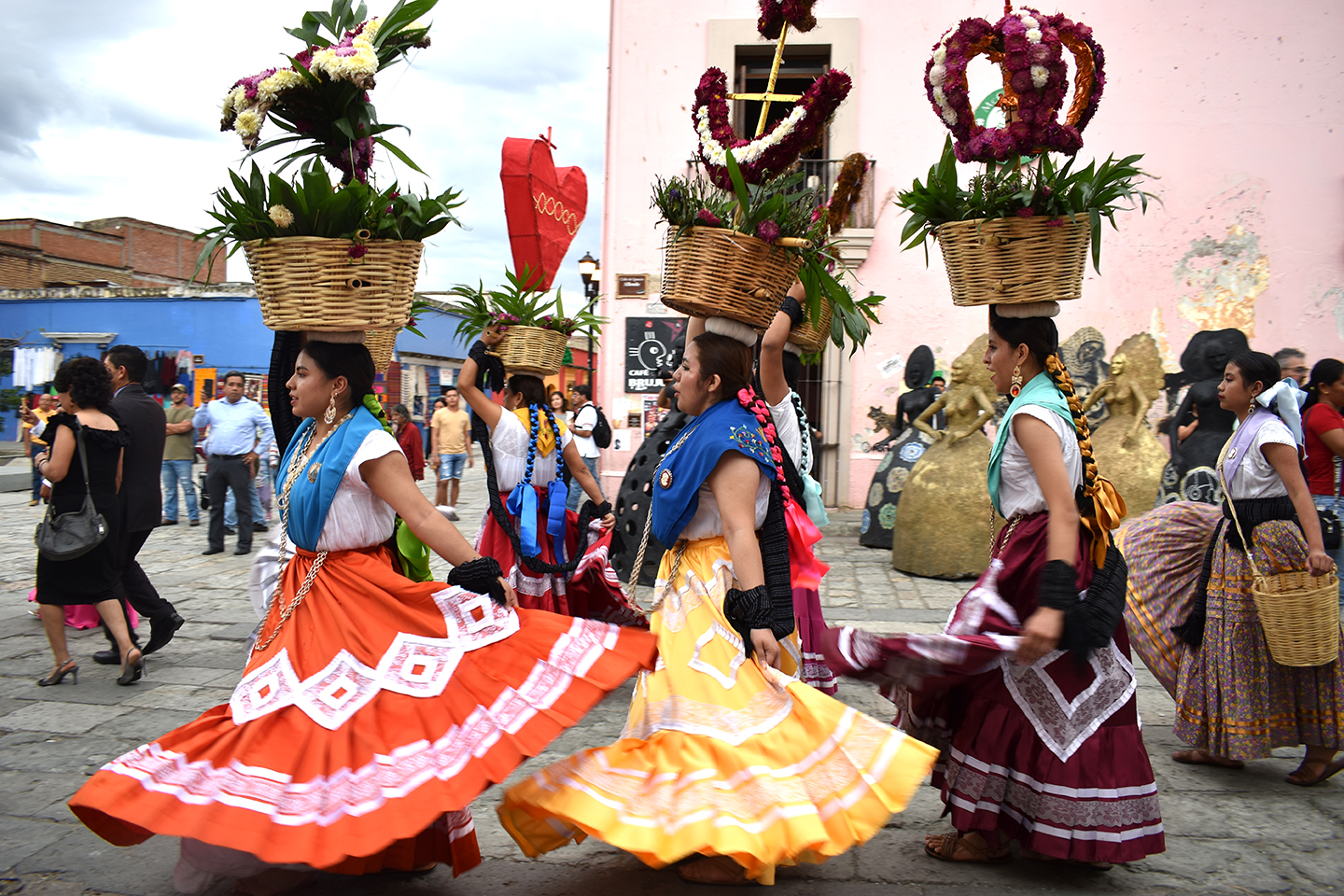
Ancestors have populated the region now called the state of Oaxaca for thousands of years. It was named Oaxaca, similar to the original Nahuatl name Huaxyacac meaning “place of the guaje trees,” by the Mexicas (Aztecs), and then inhabited by Zapotec and Mixtec who warred with each other. When the Spanish came, they imposed order and later renamed the city Oaxaca de Juarez, for Benito Juarez.
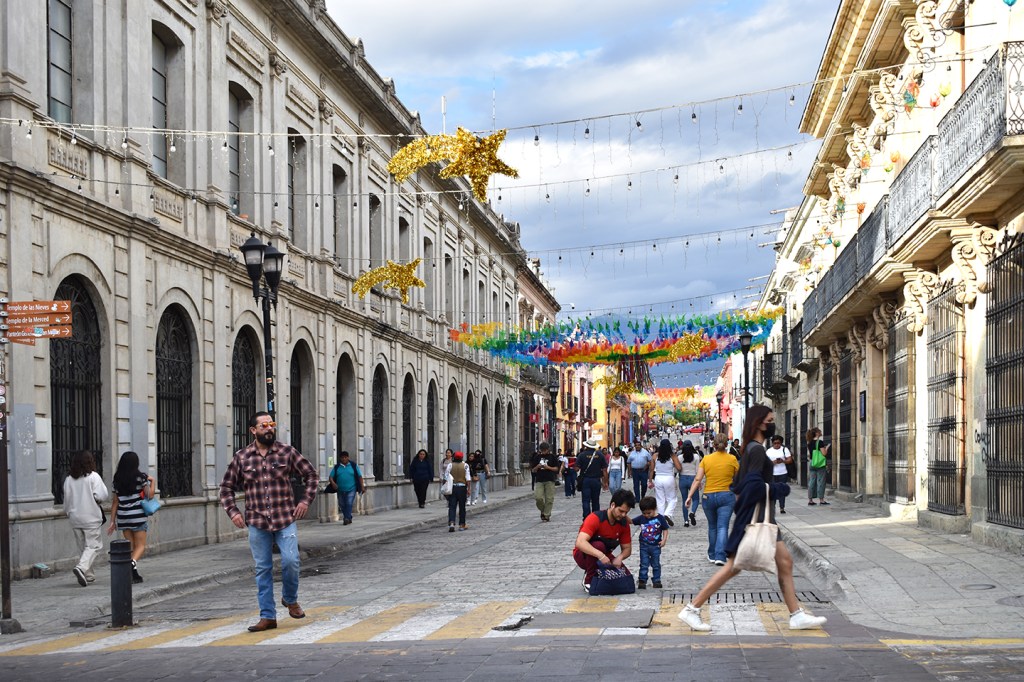
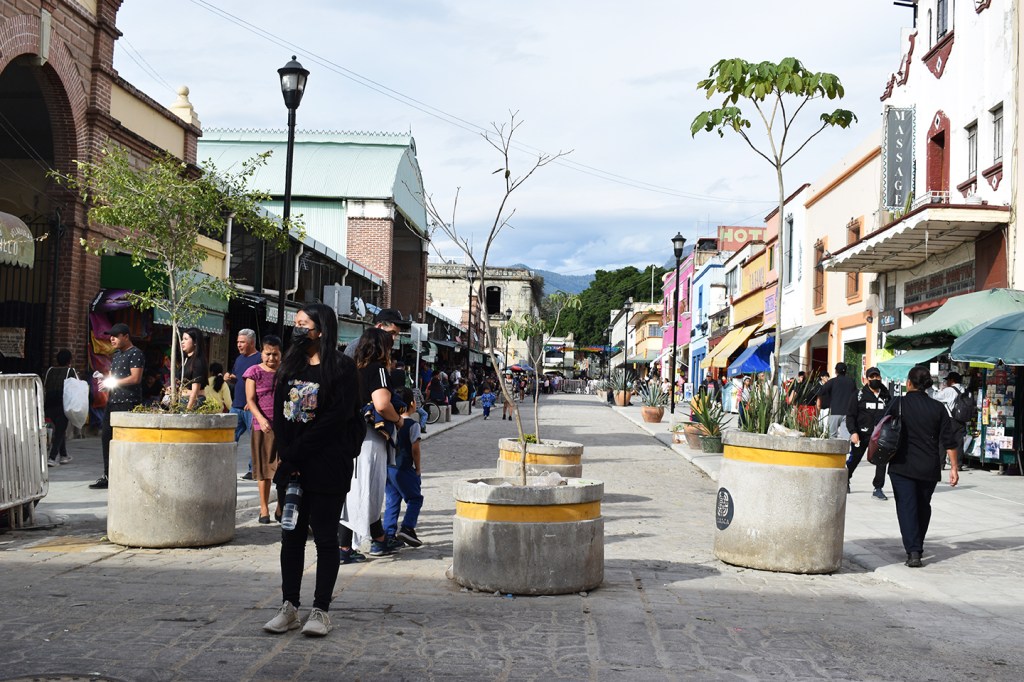
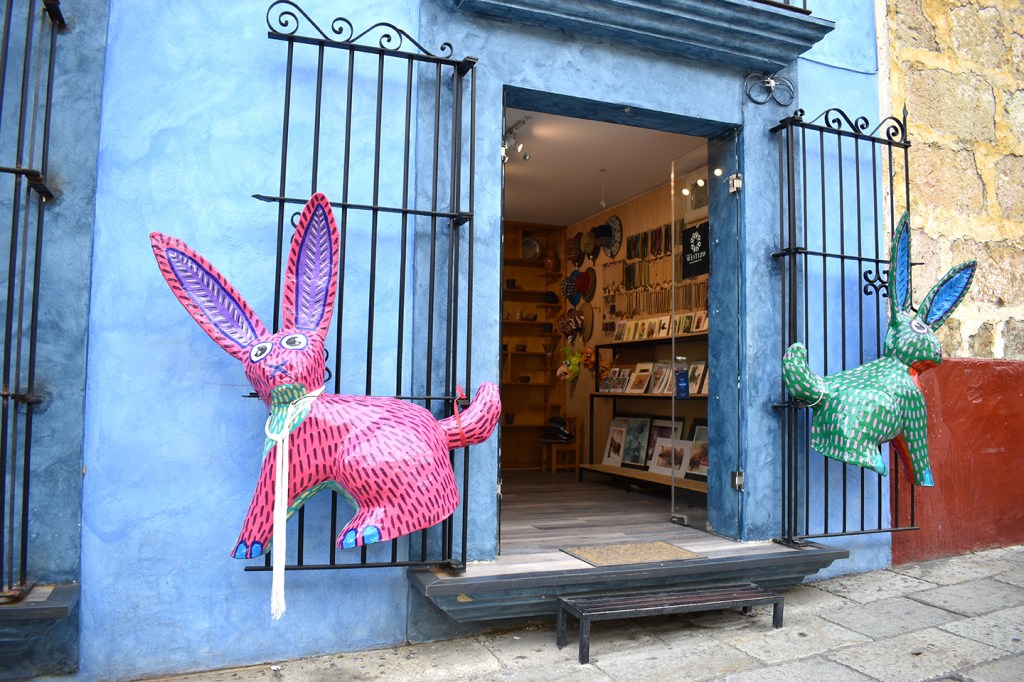
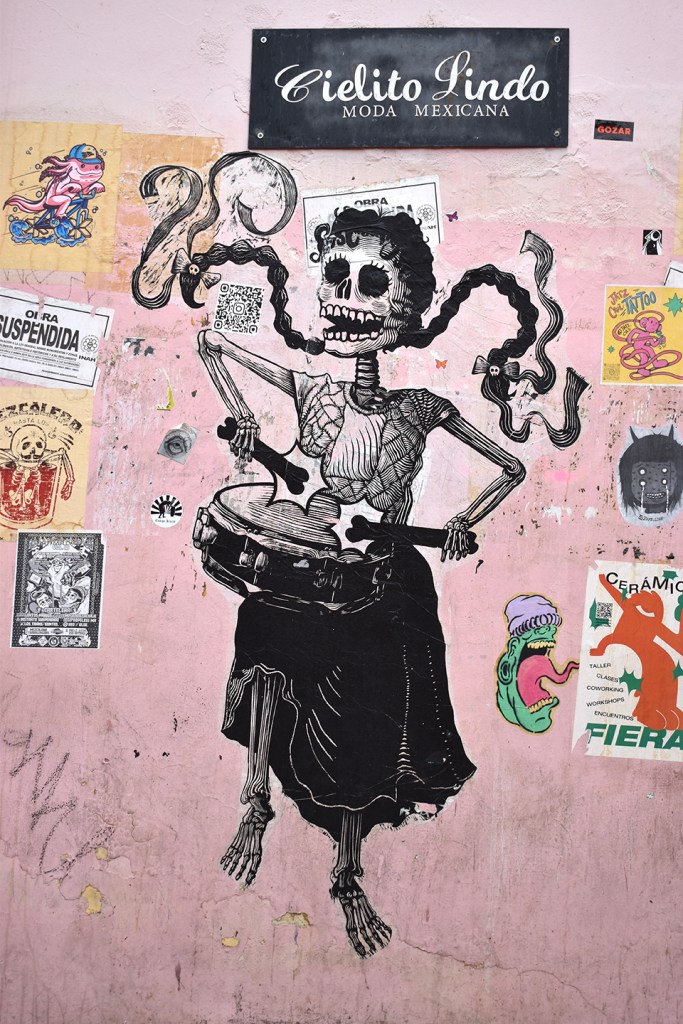
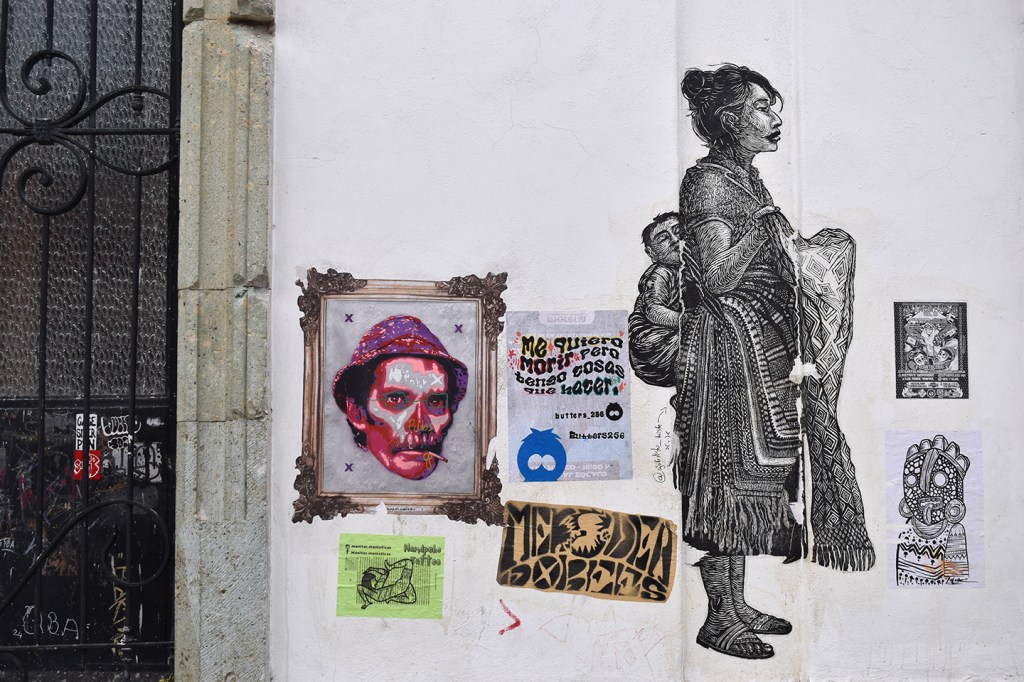
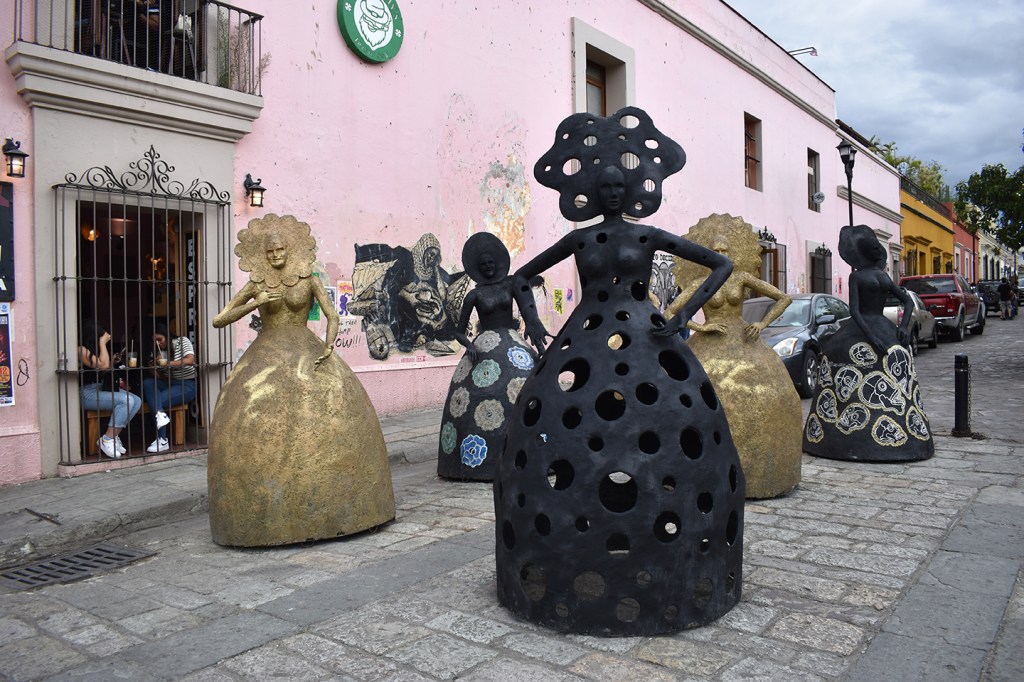
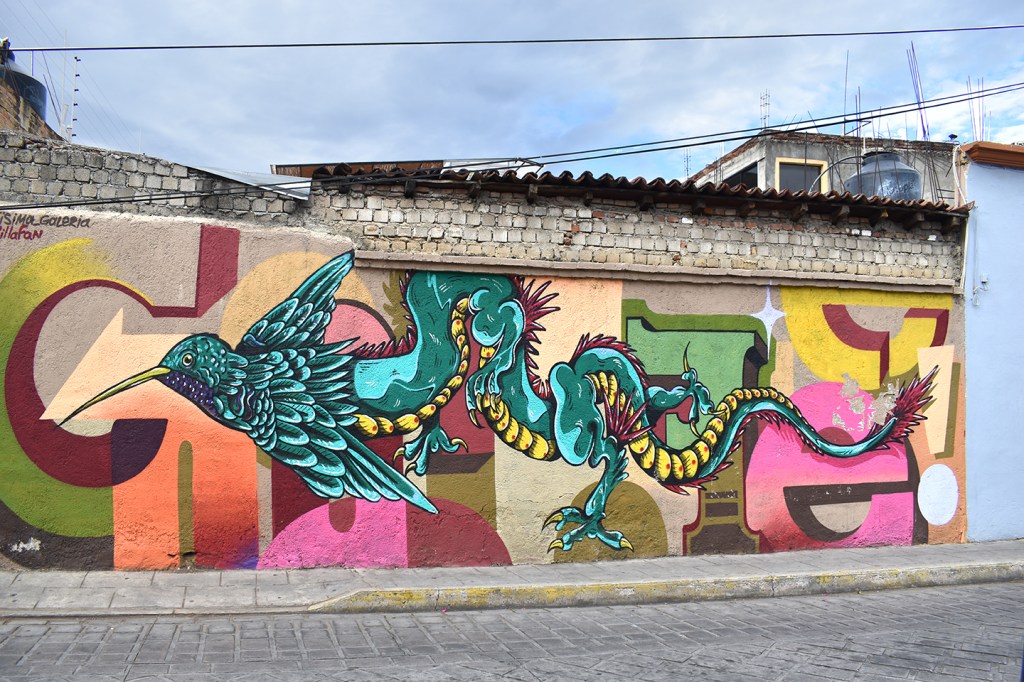
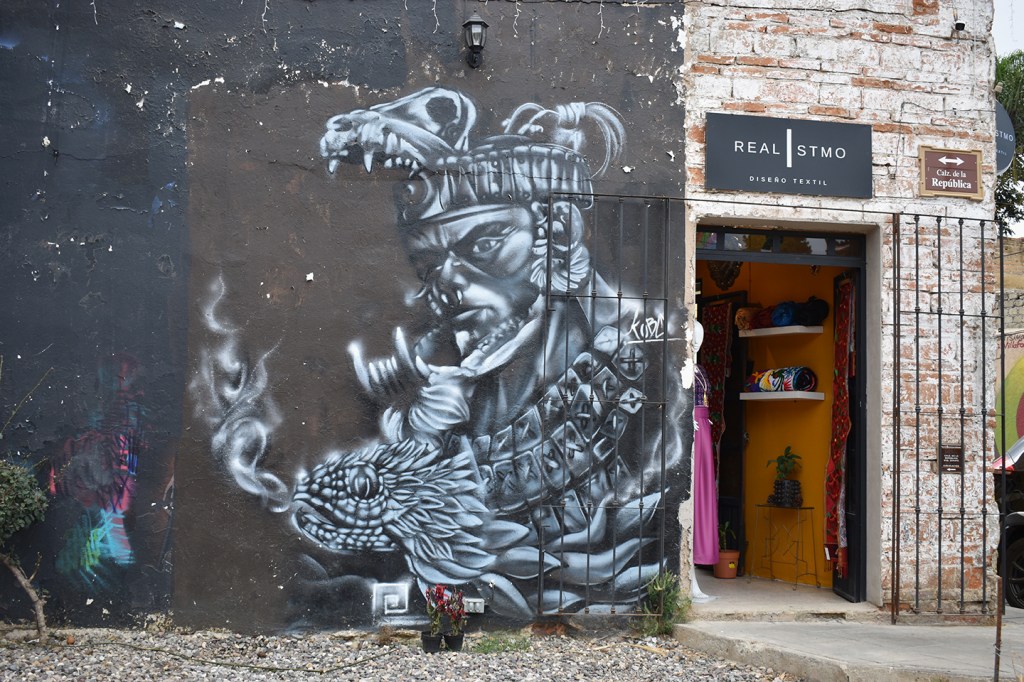
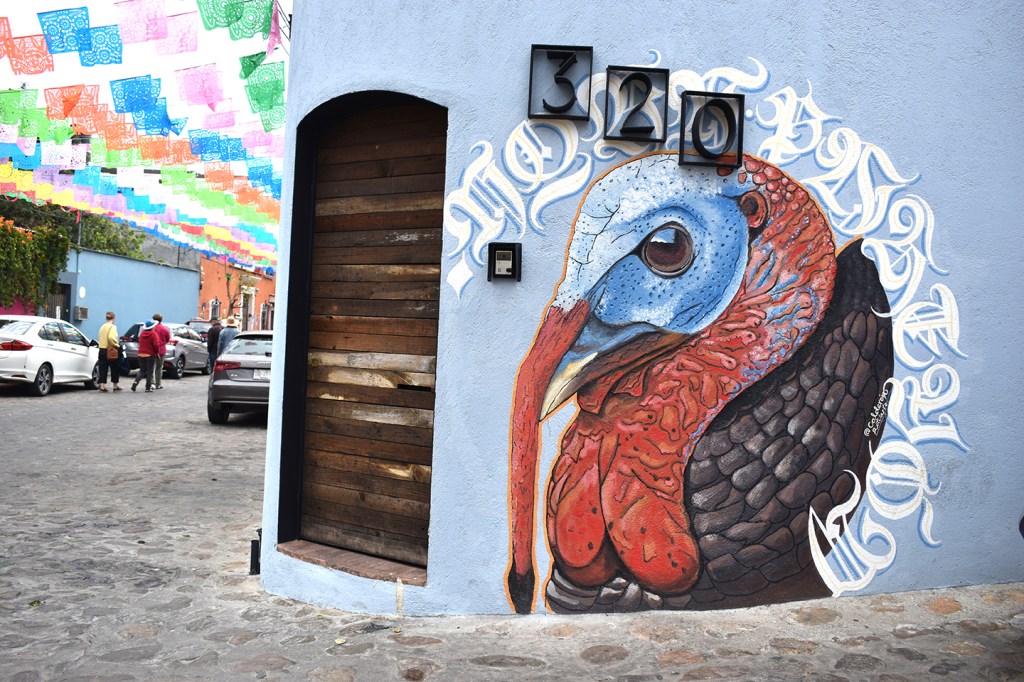
The lively historic stone streets are full of shops and galleries, art and street art.

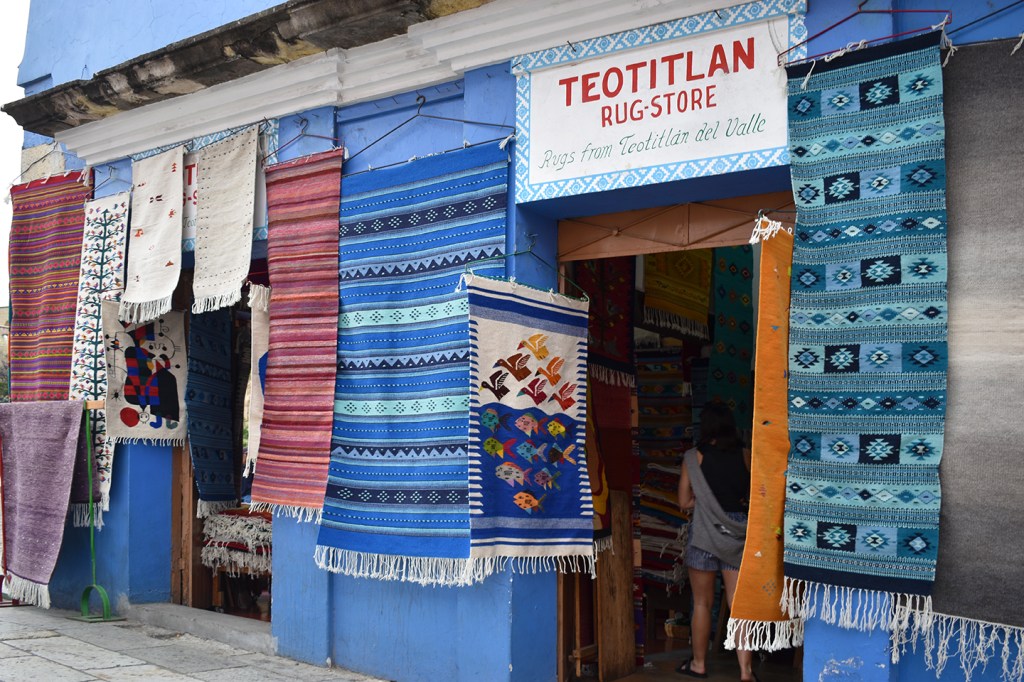
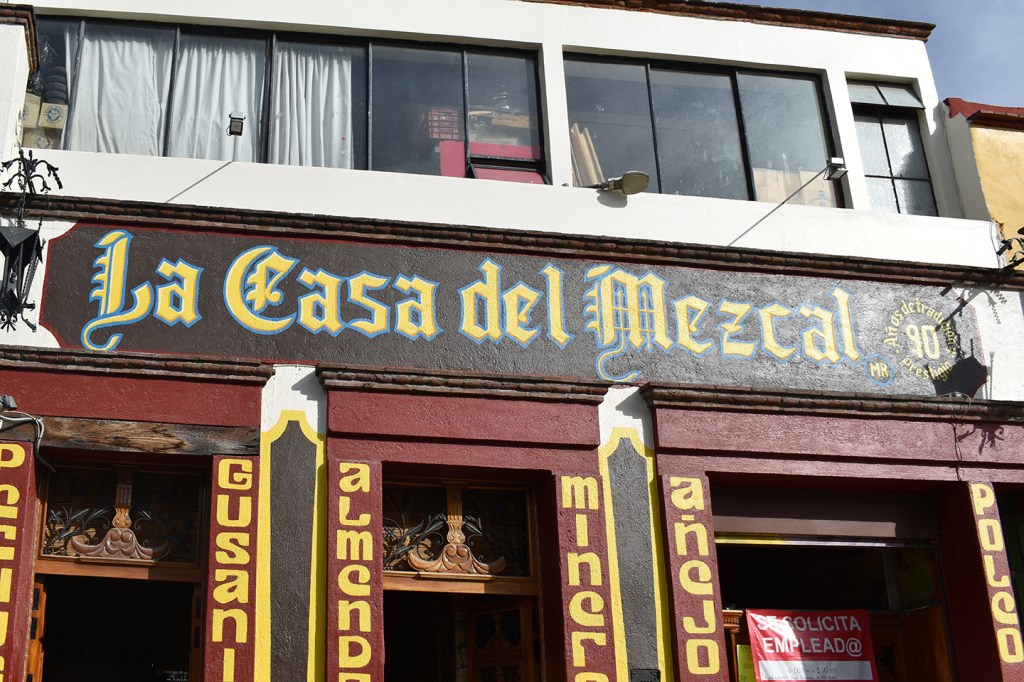
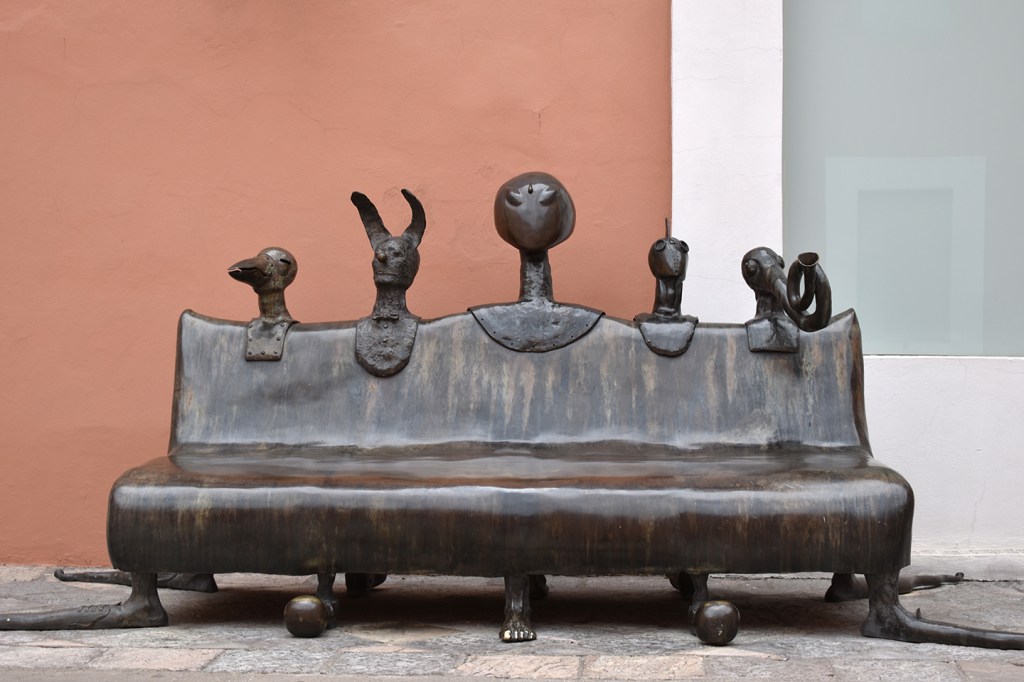
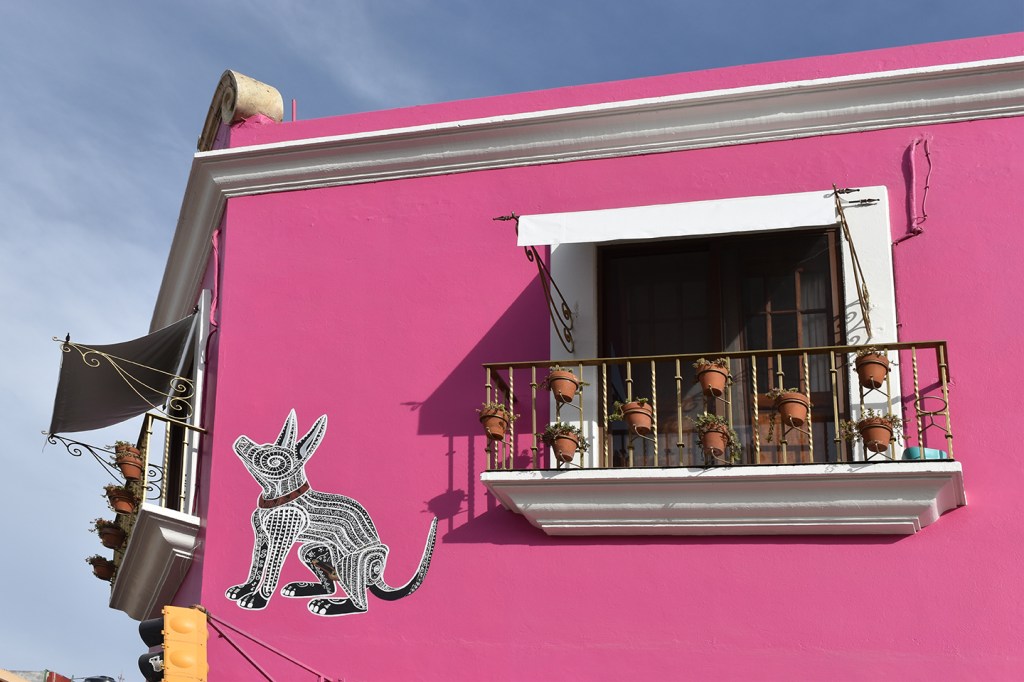
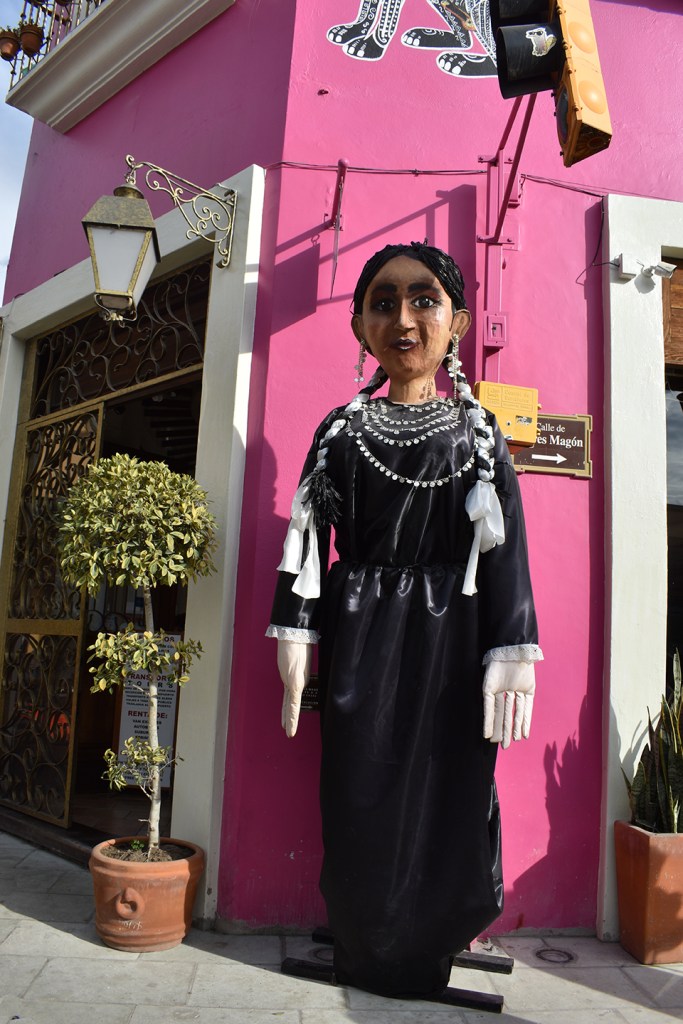
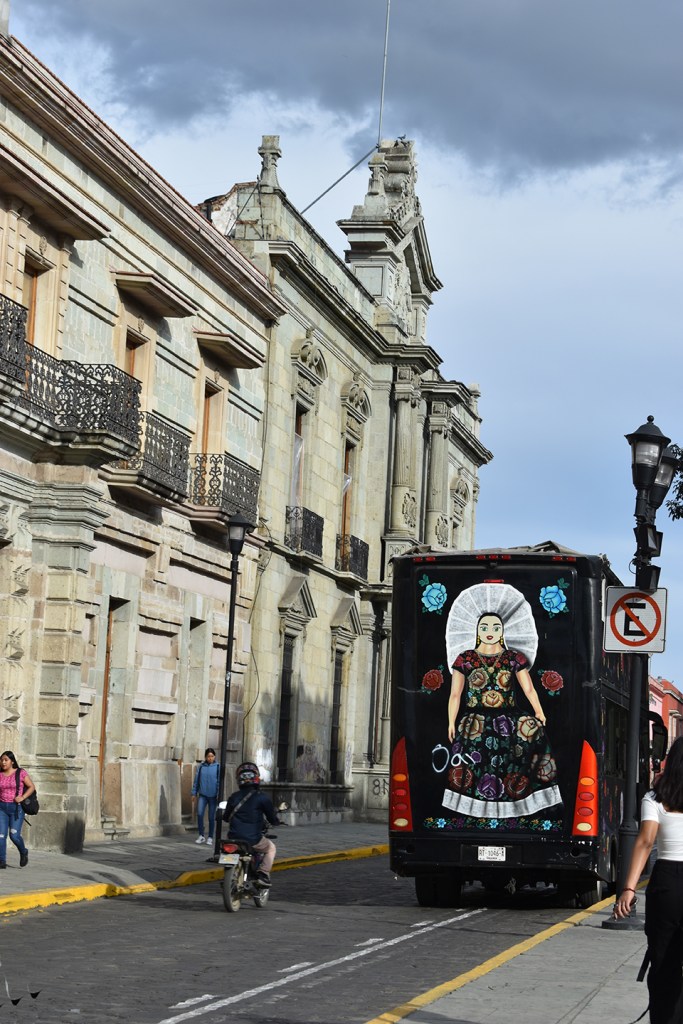
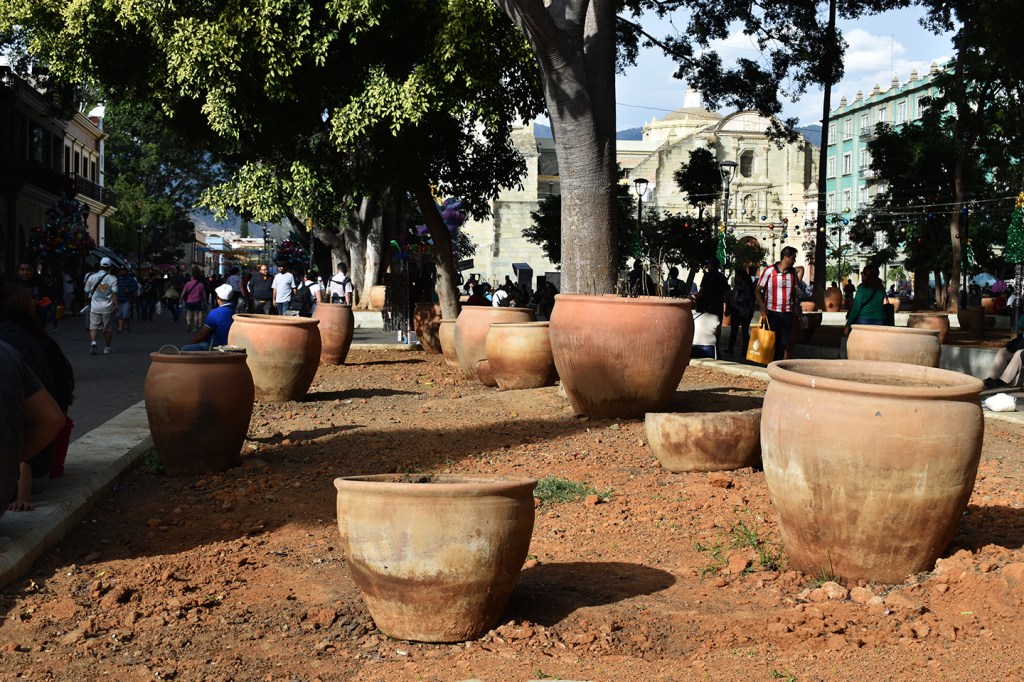
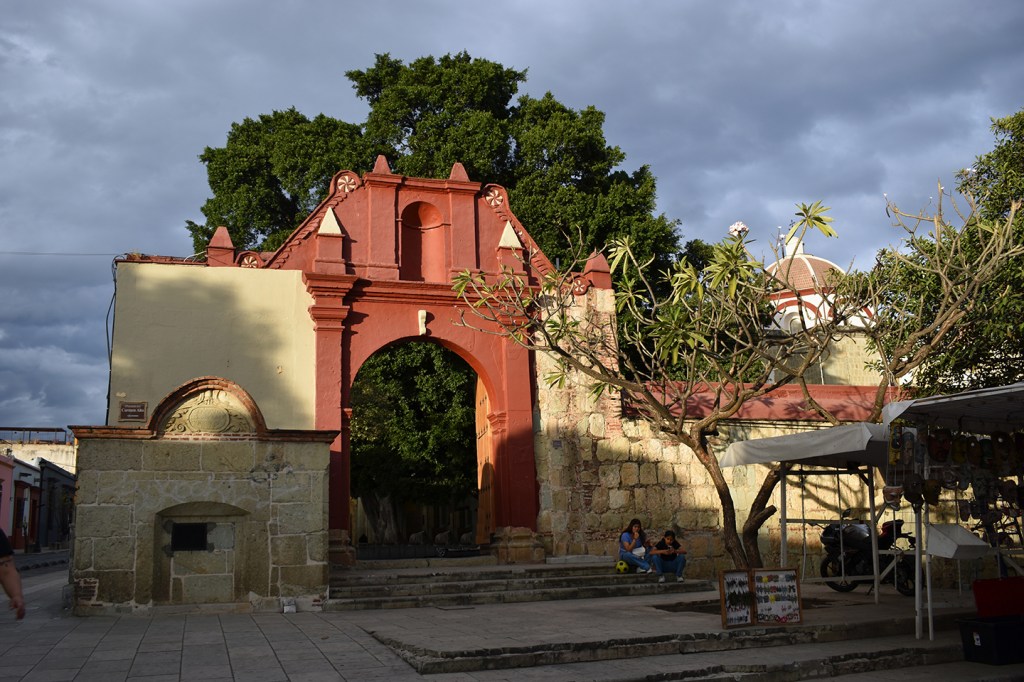
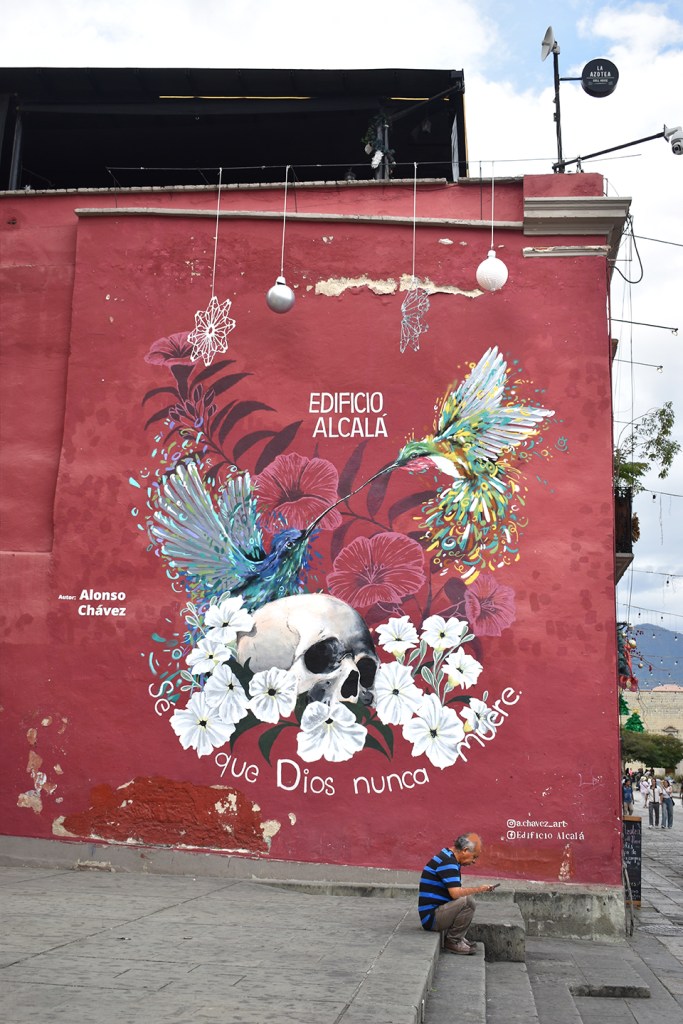
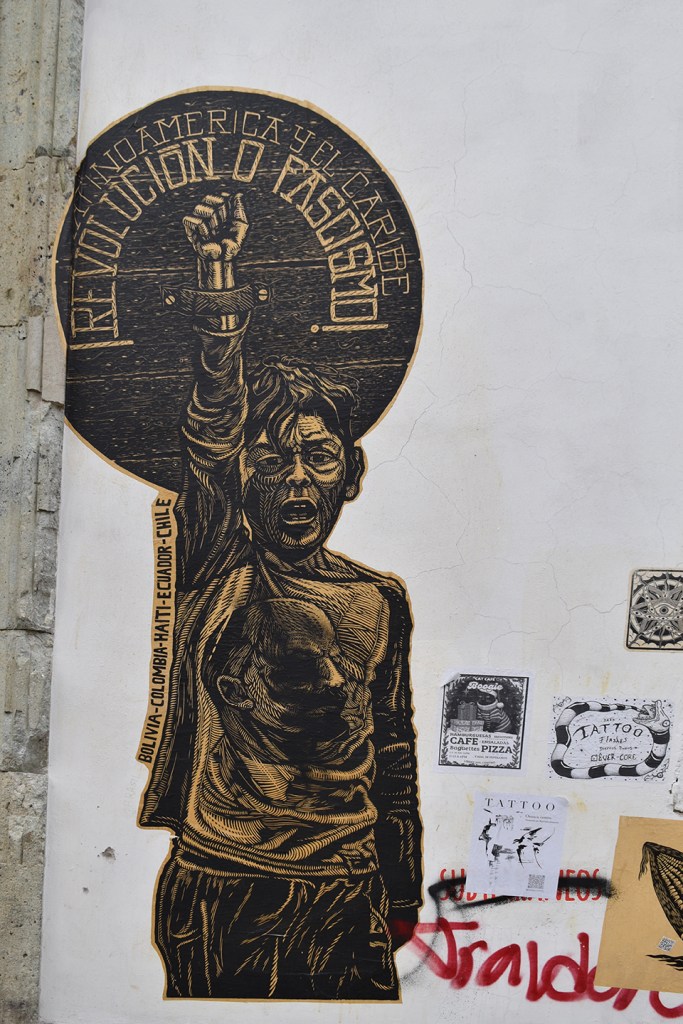
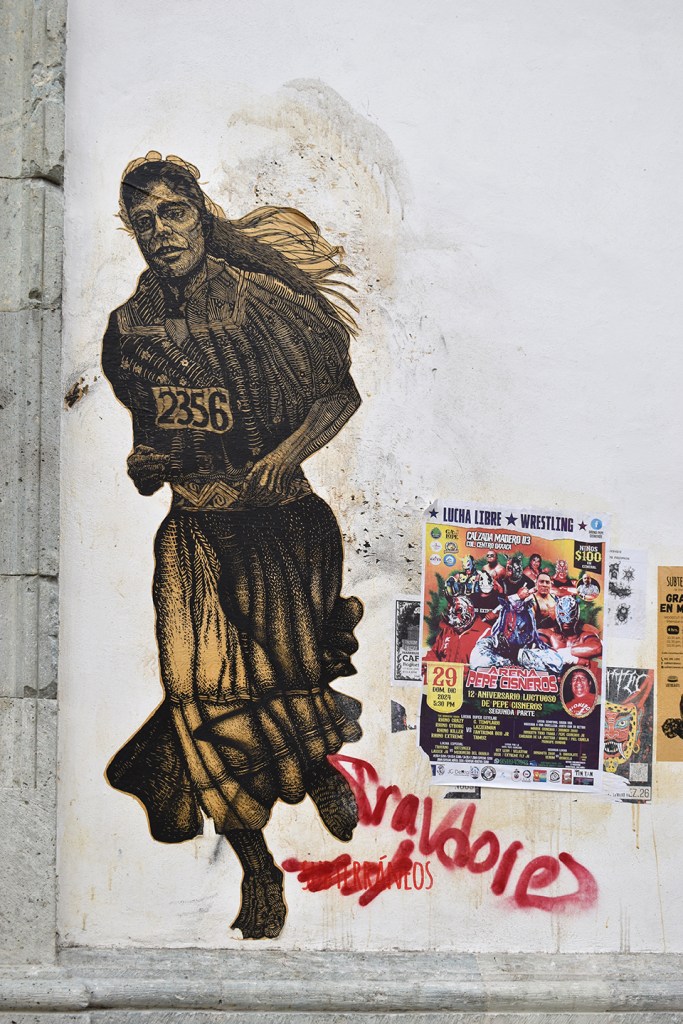
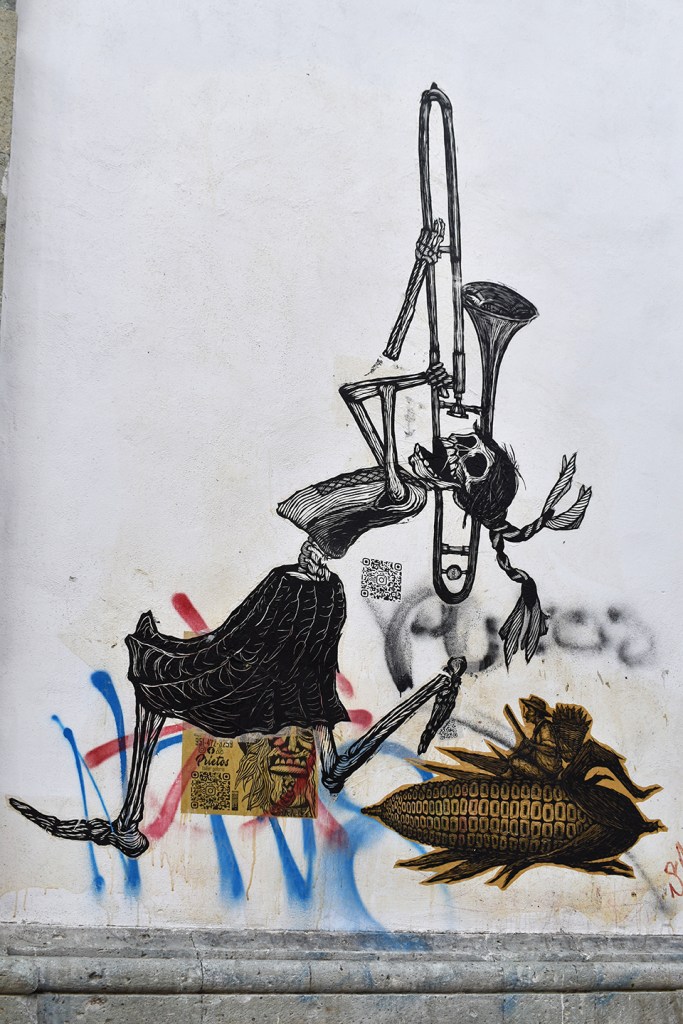

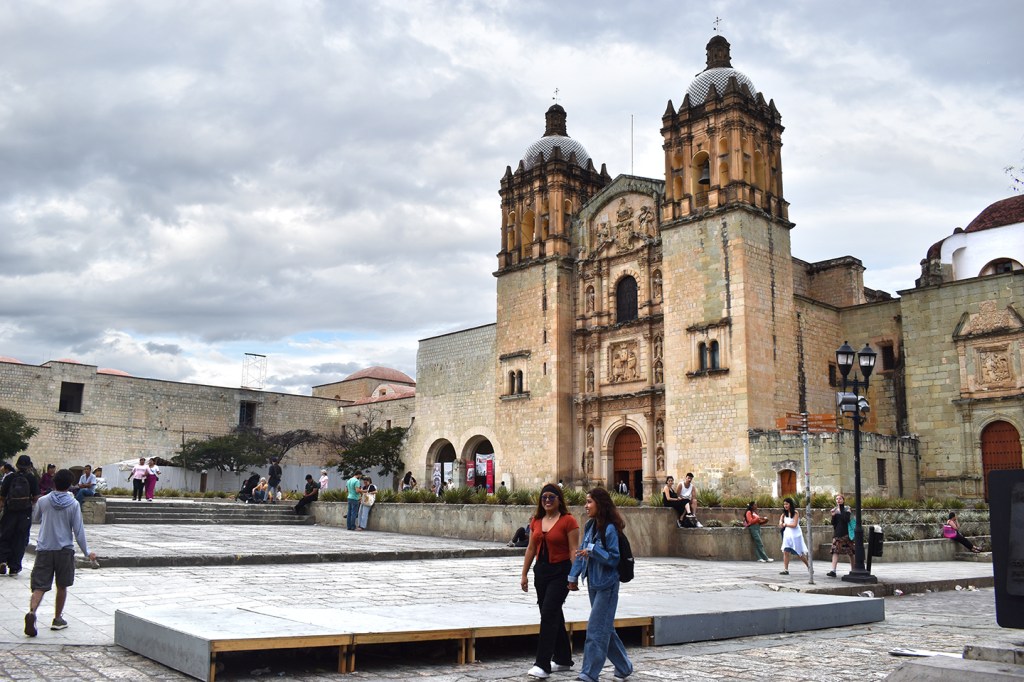
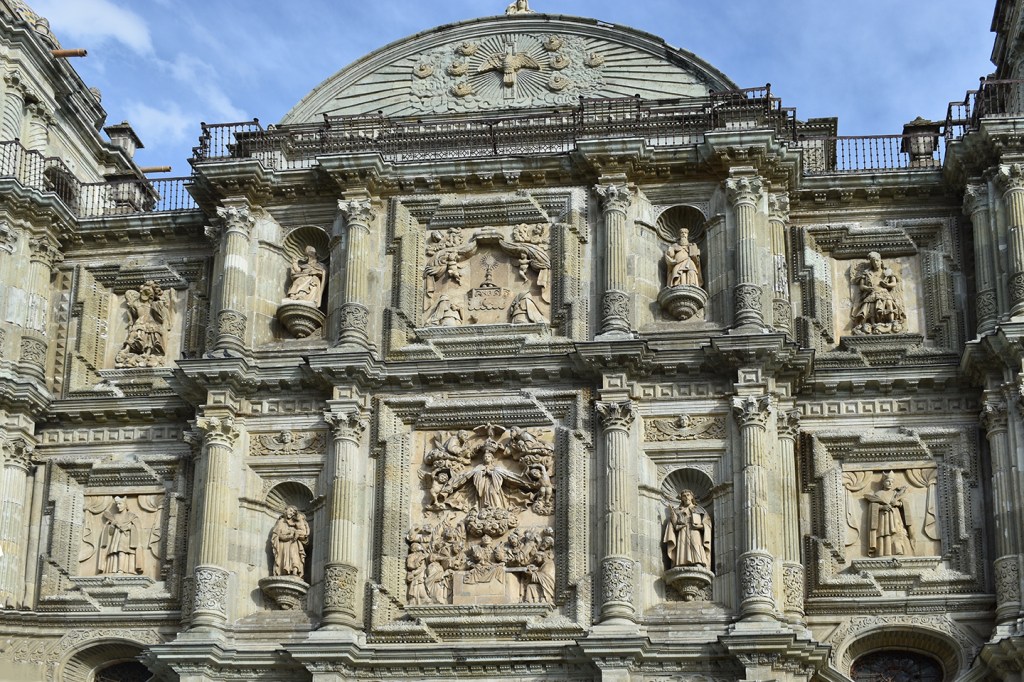
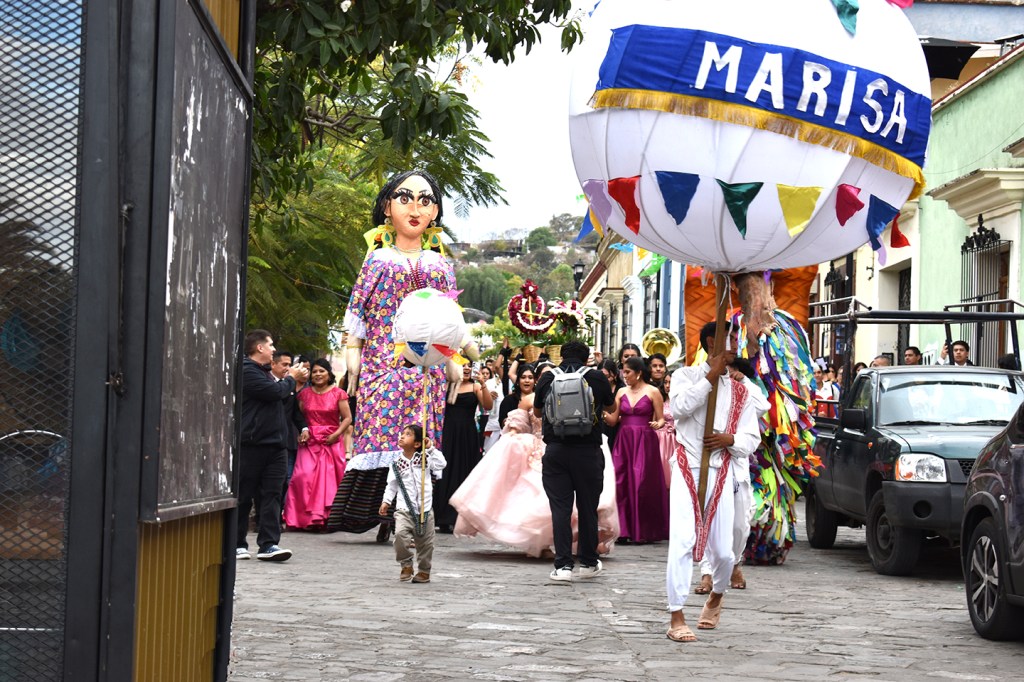
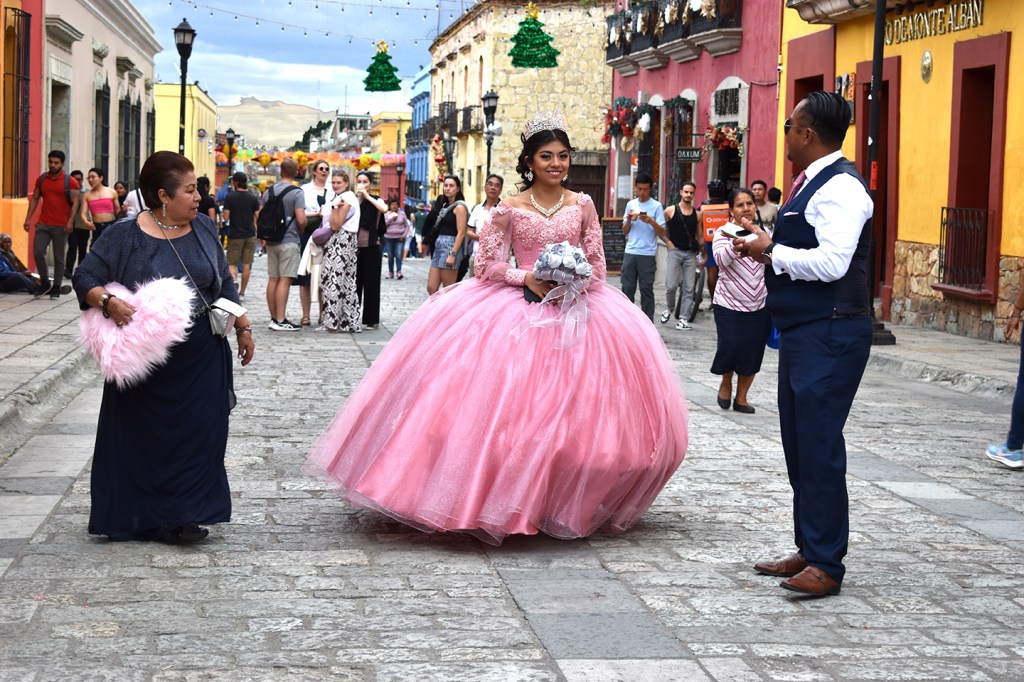
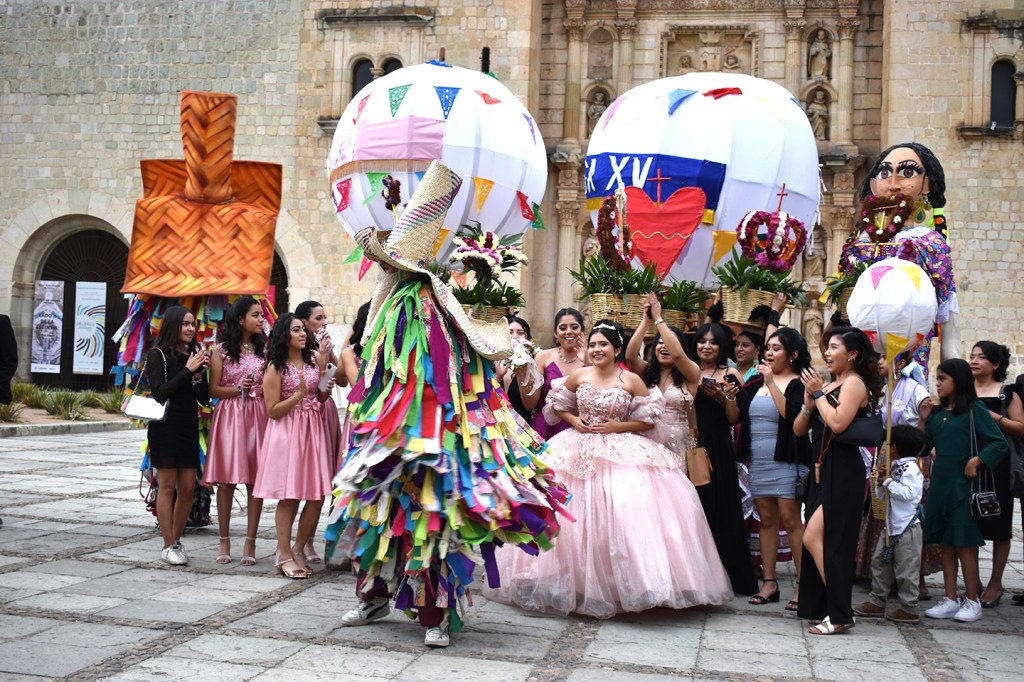
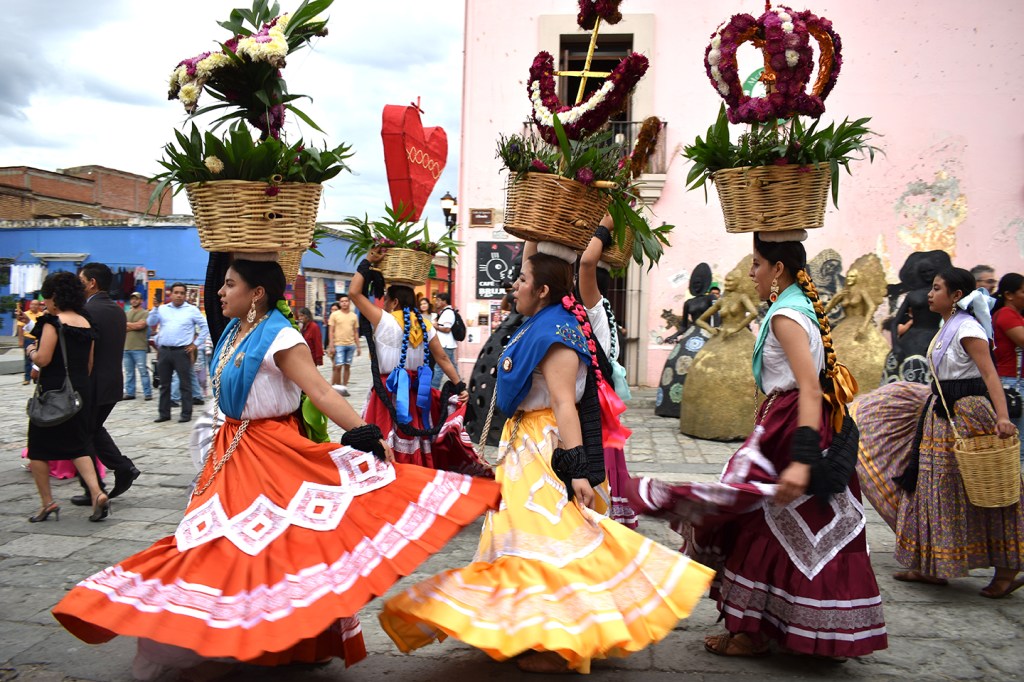
The grand Cathedral of Our Lady of the Assumption in the Centro is a popular location for personal events and photographs. Fortunate to be there on a weekend, there were several quinceañera celebrations, for a young woman’s fifteenth birthday. They arrived by processions, and politely waited for their turn to photograph at the Cathedral. I was delighted to see Marisa appear, with her attendants and her lovely smile, as if floating on a puffy pink cloud.

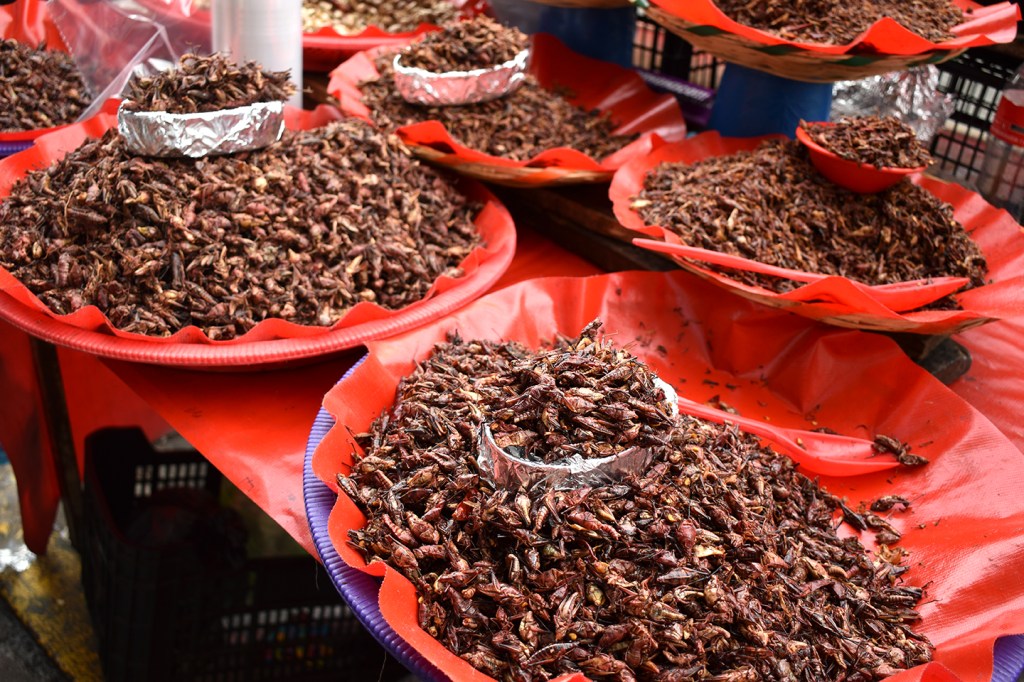
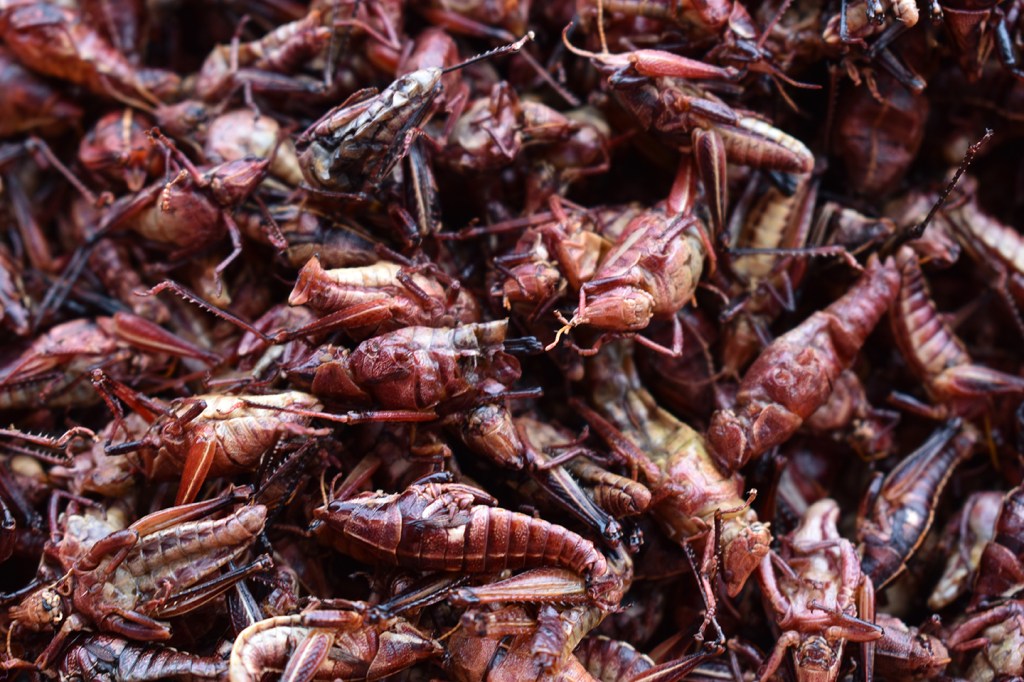
At Mercado 20 de Noviembre, a fresh food market, I had a huge tostada with nopales, prickly pear cactus. Although not for this meal, I ate crunchy crushed grasshoppers in other dishes, but didn’t eat them whole.
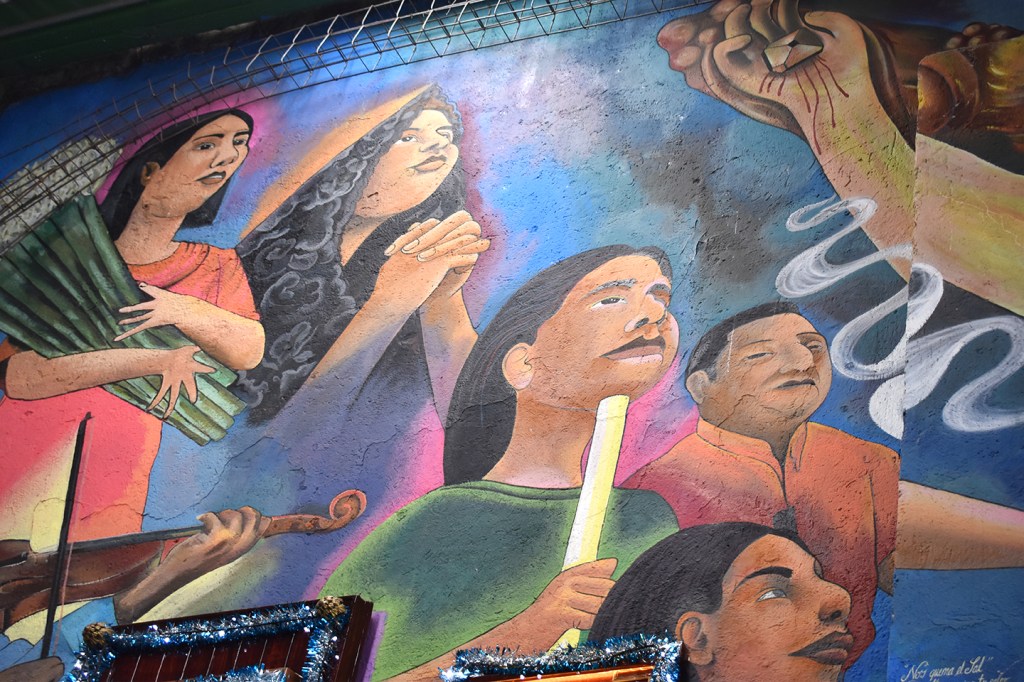

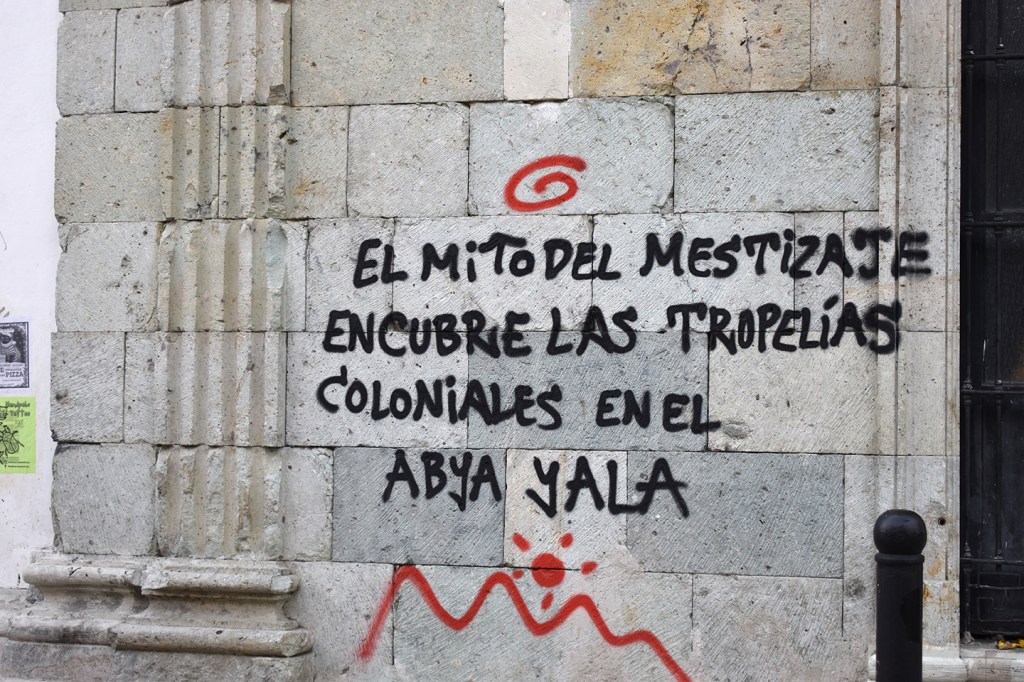
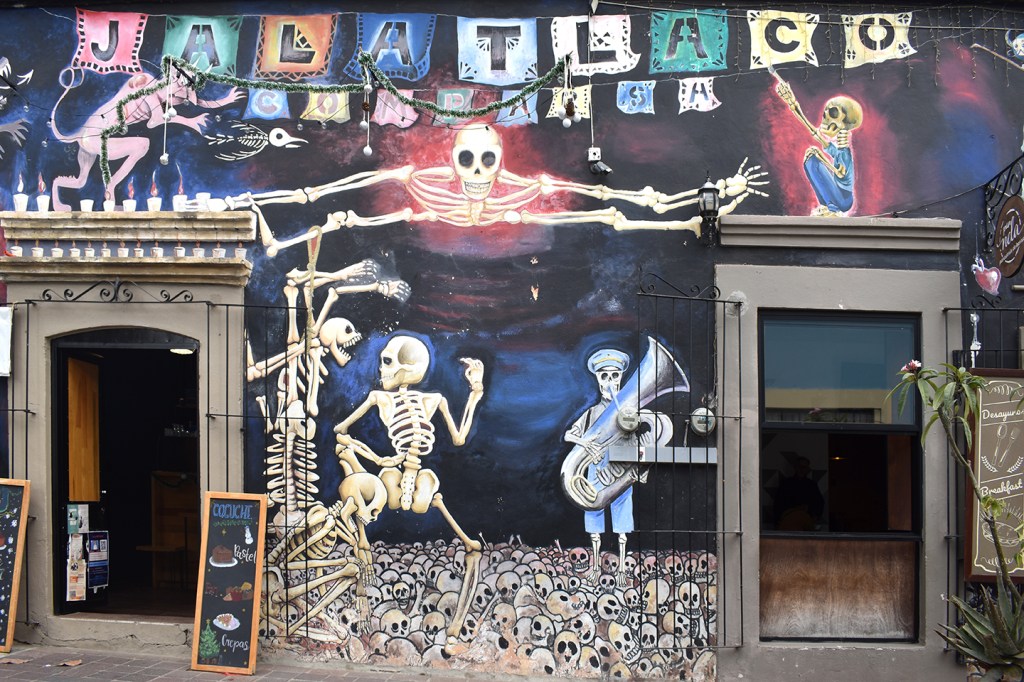
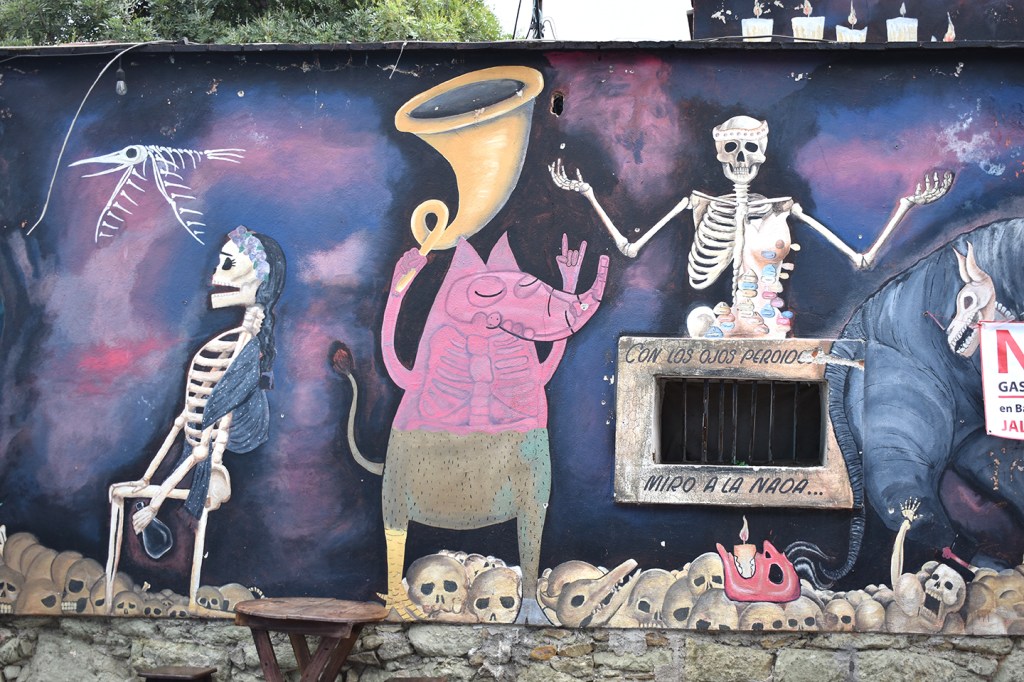
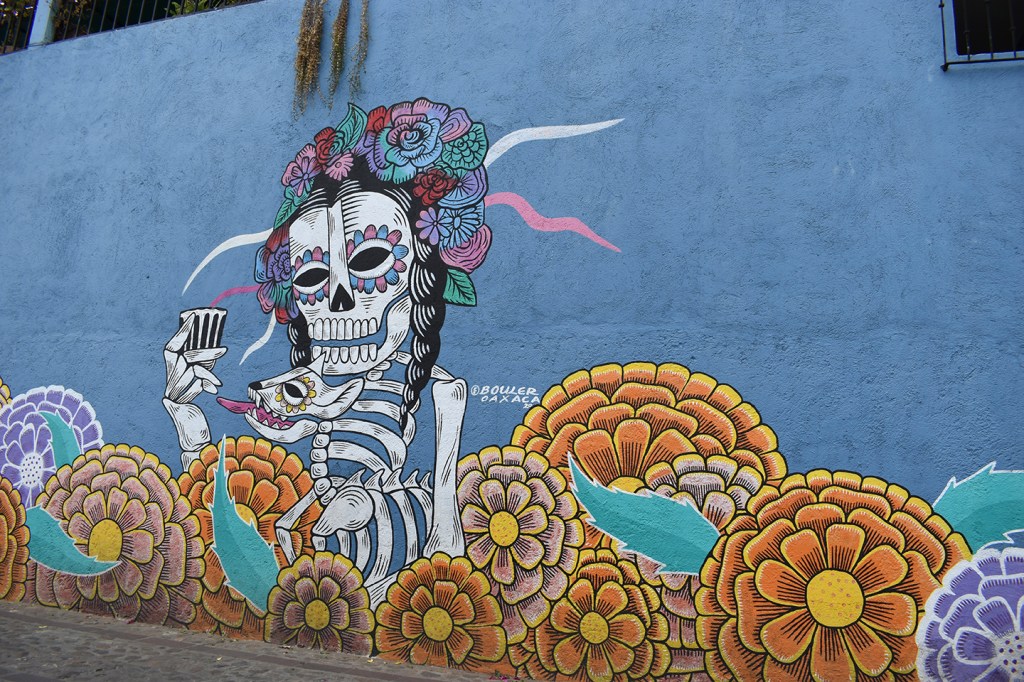
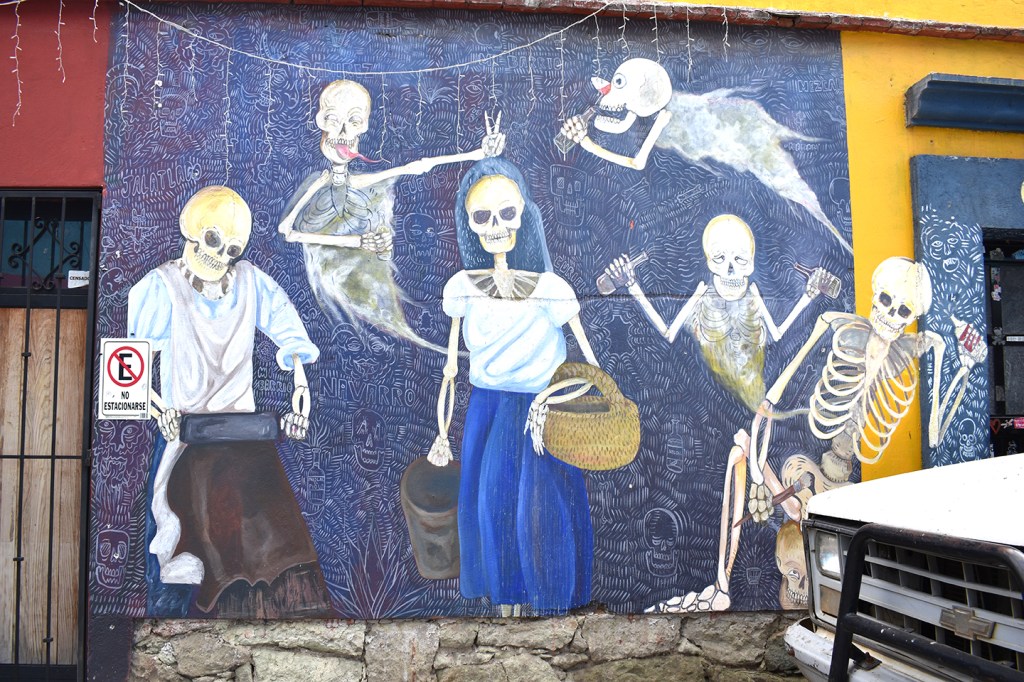
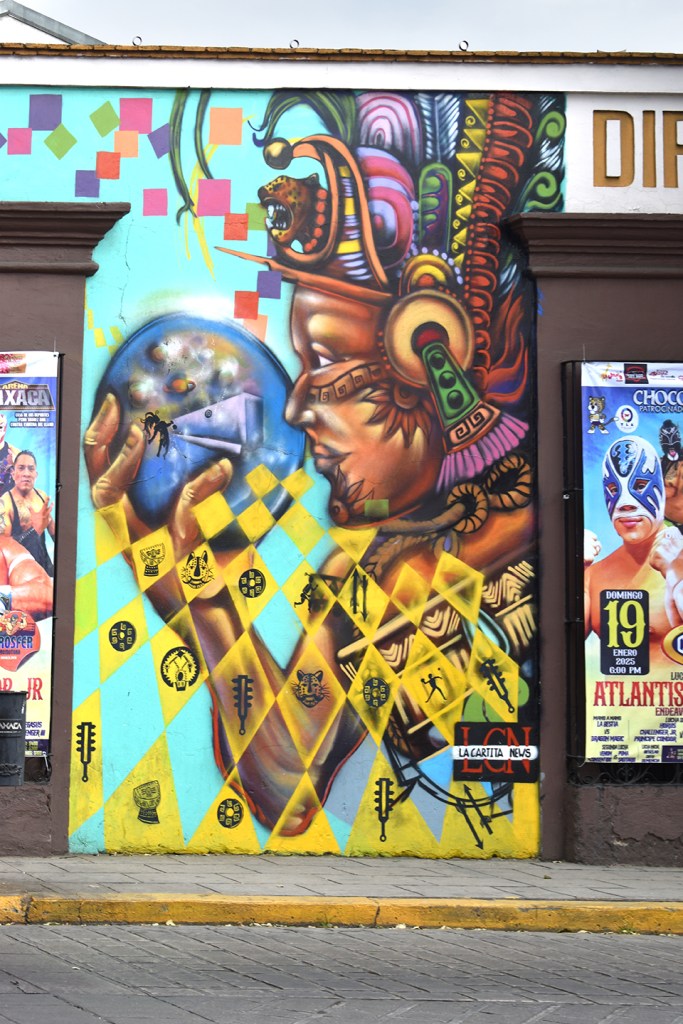
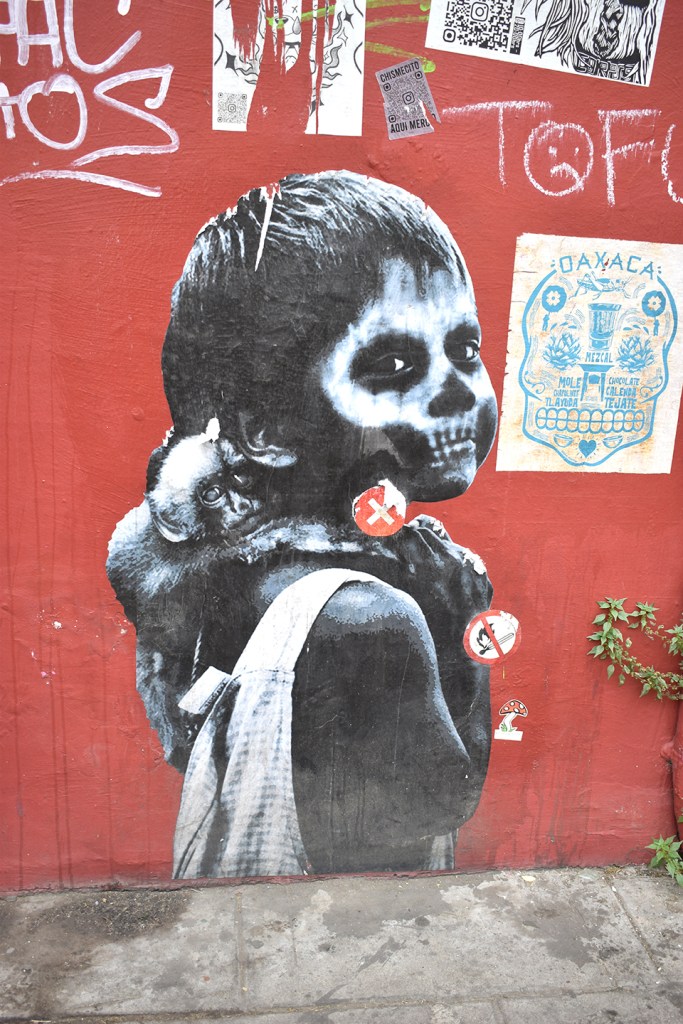
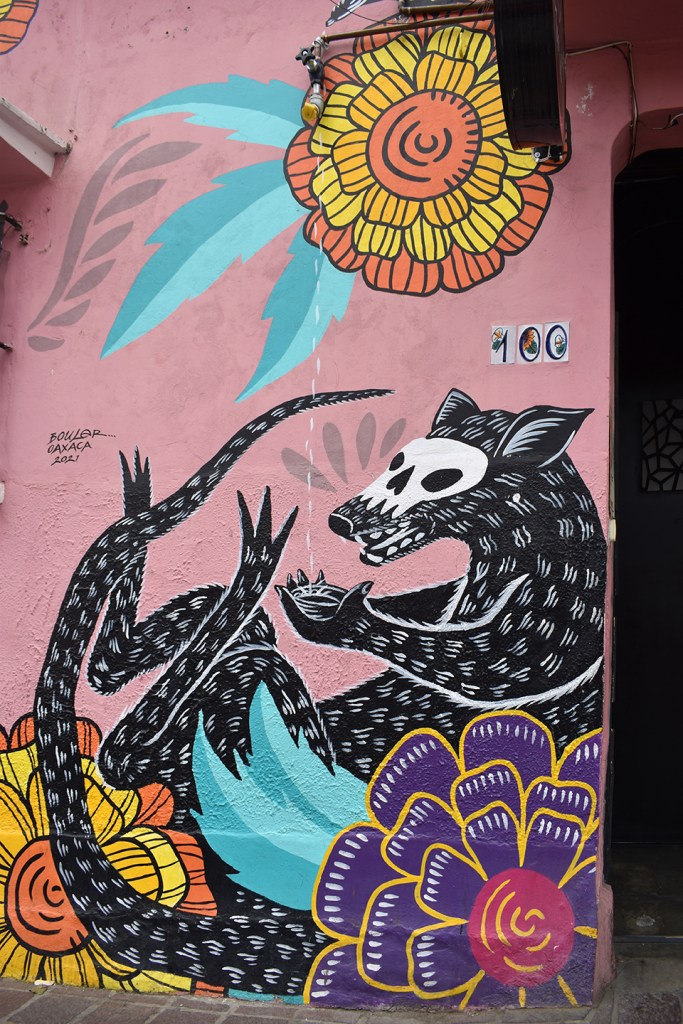
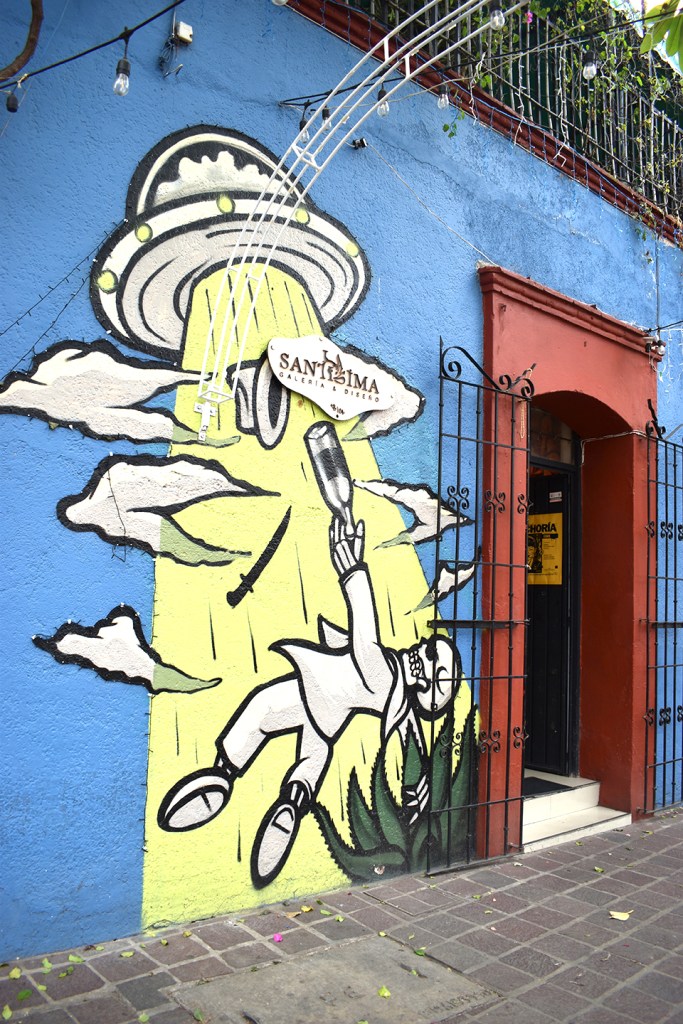
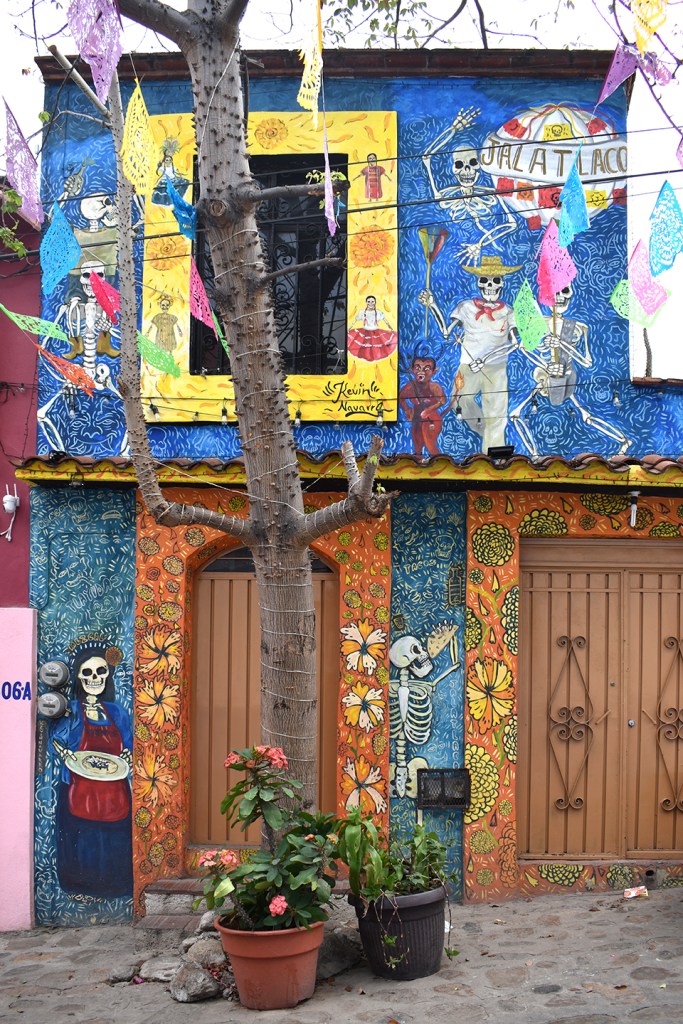
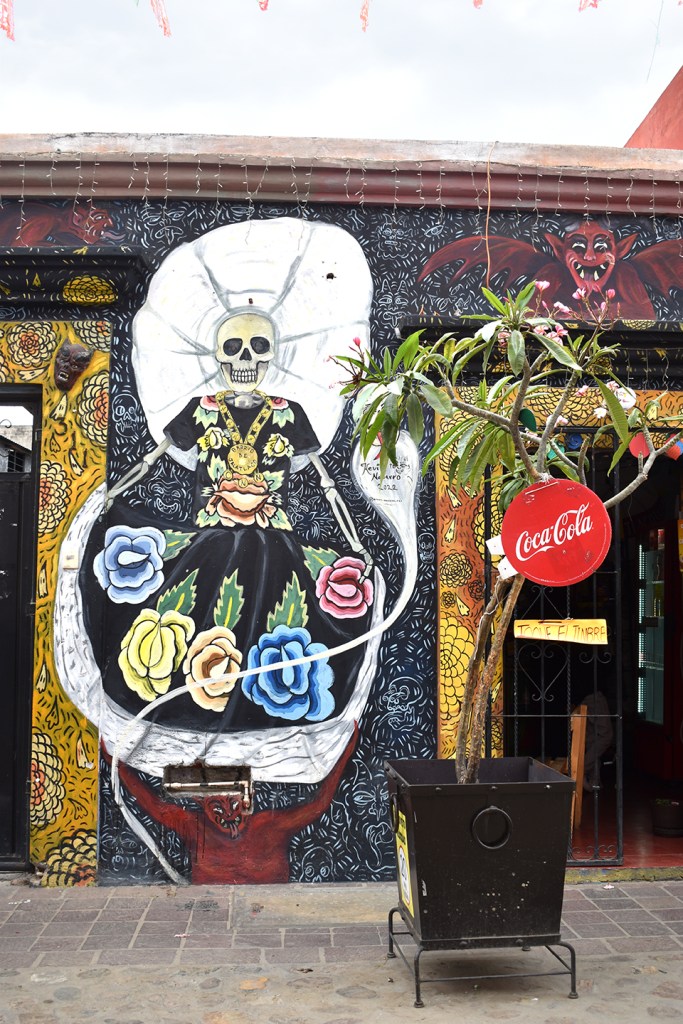
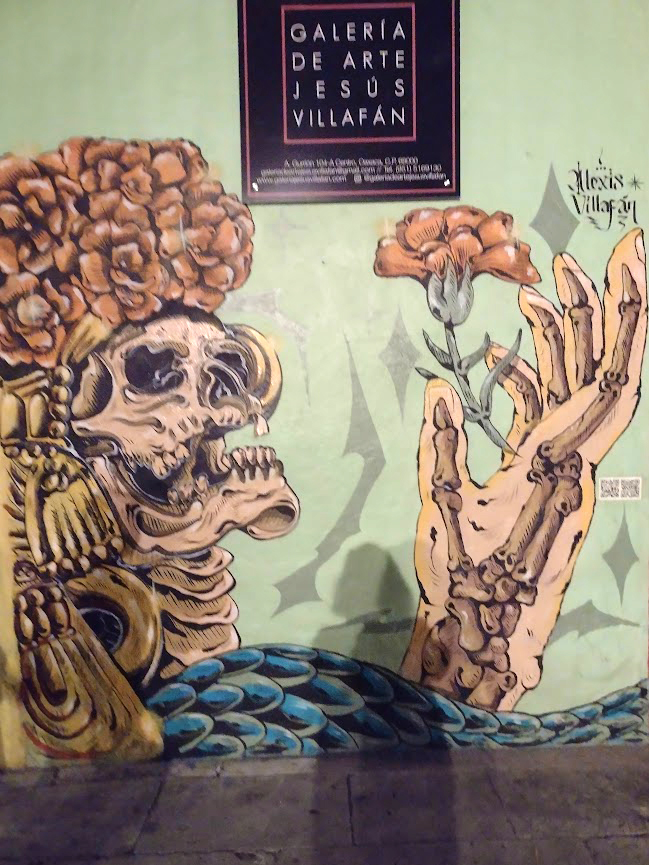
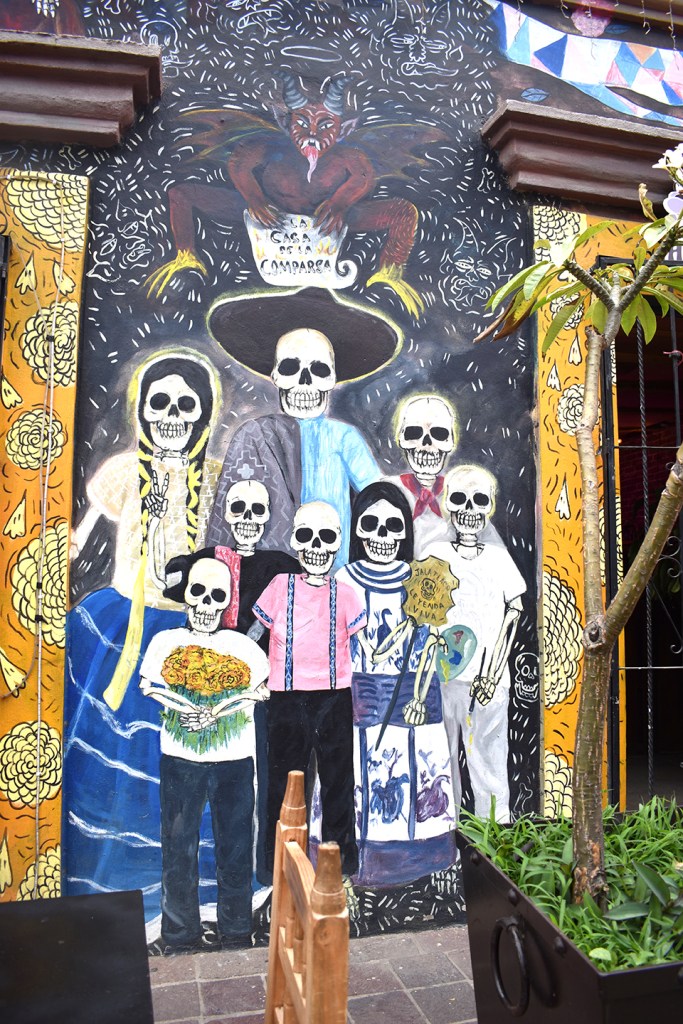
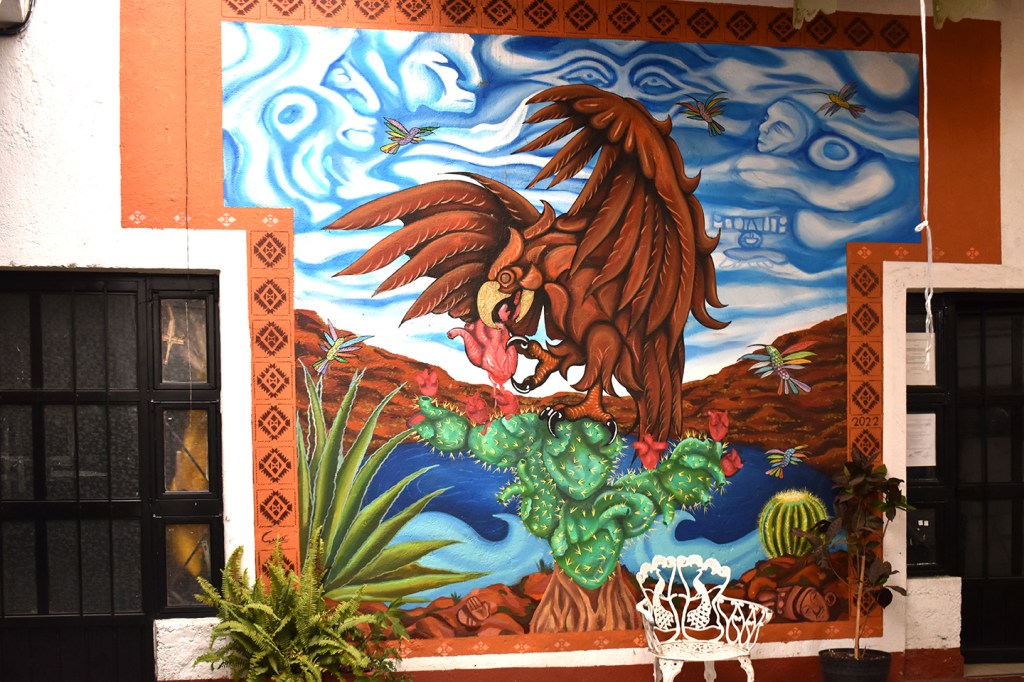
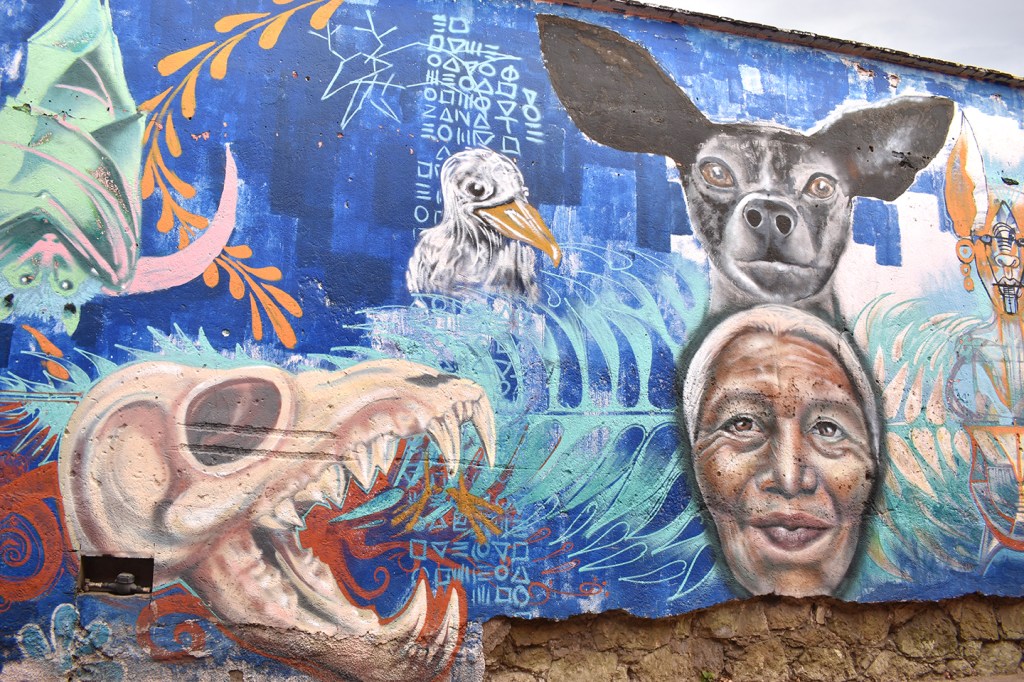
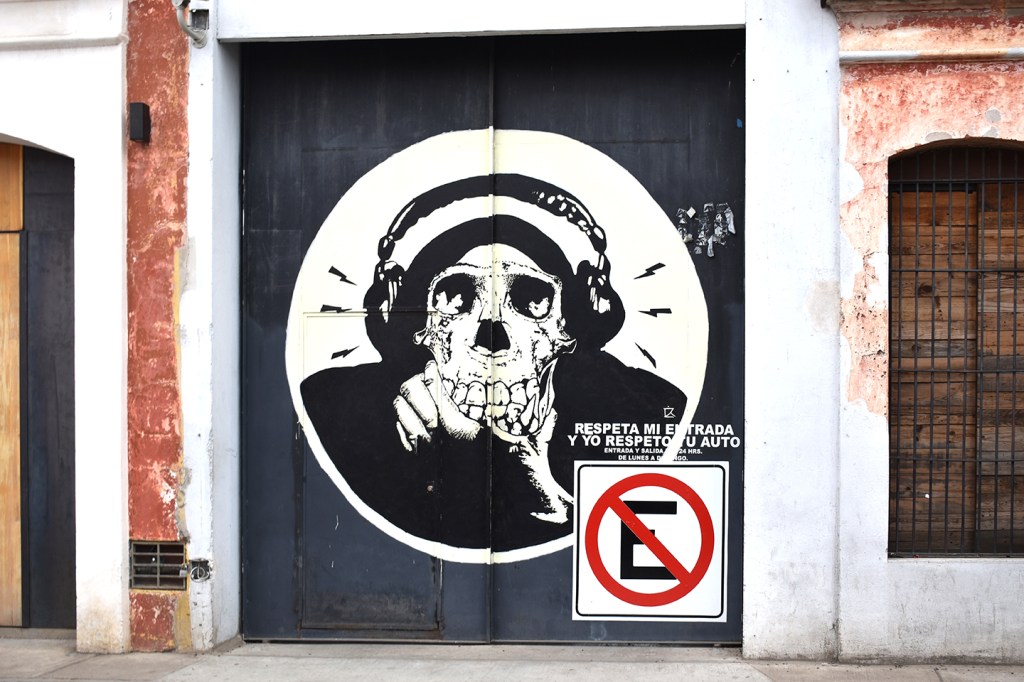
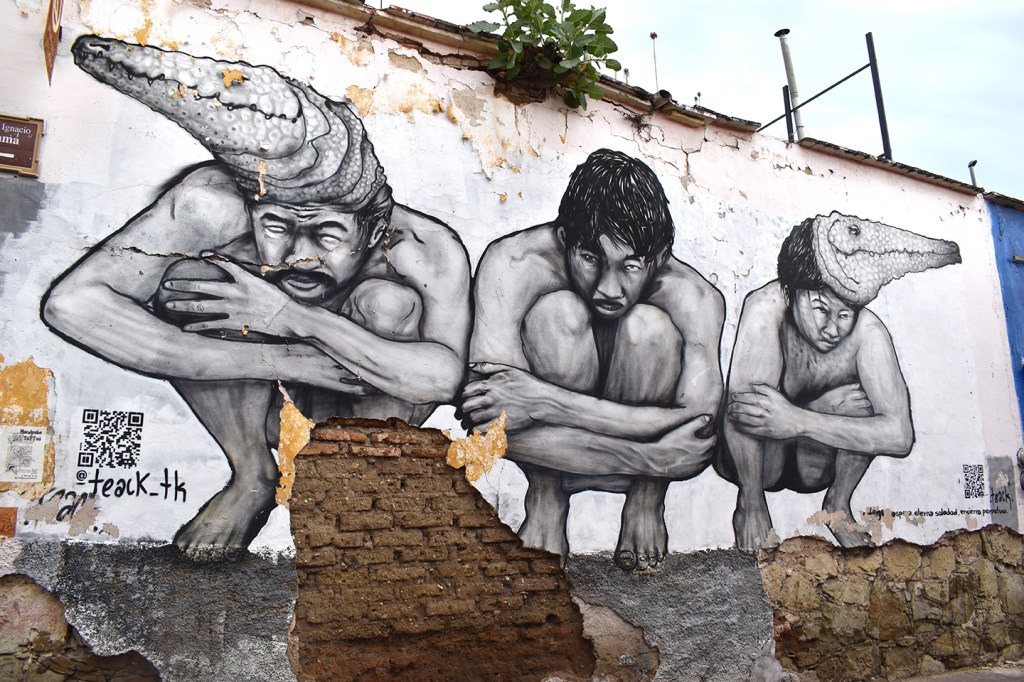
Oaxaca is a street art lover’s paradise! Located east of Oaxaca’s Centro, Jalatlaco was a charming and peaceful neighborhood with cobblestone streets, although I suspect it might be more lively at night, with many bars. I walked the streets, finding more and more colorful images on walls around every corner, such artistic creations, many celebrating indigenous themes and, of course, the ever present skeleton people.
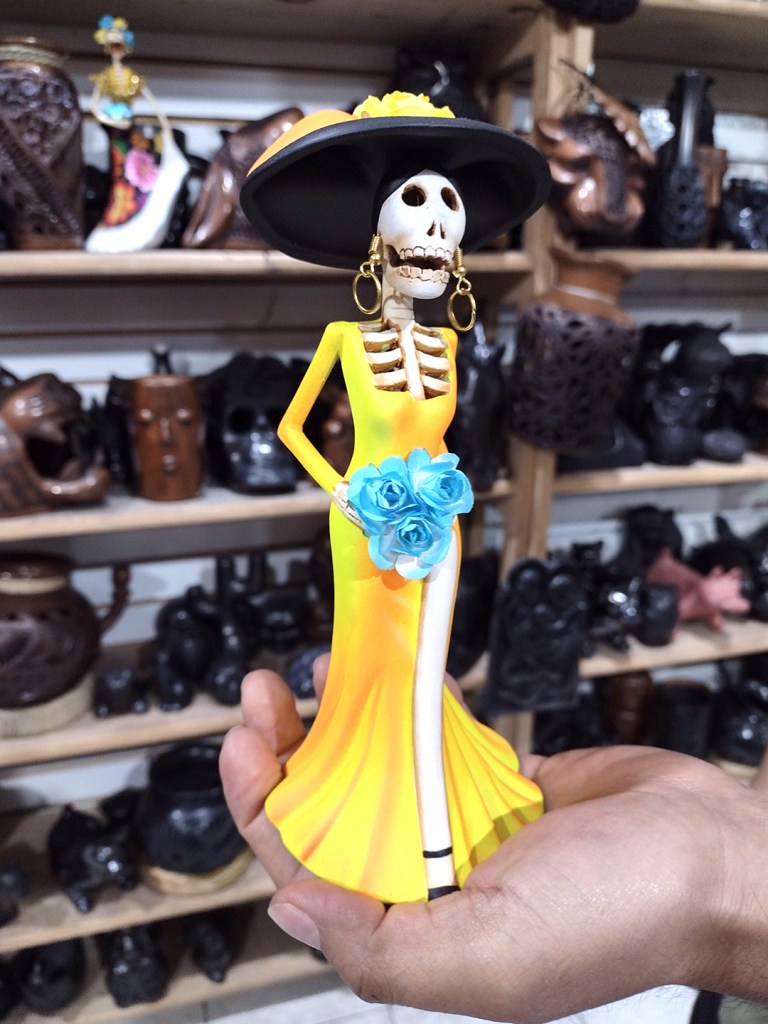
Skeleton art is popular throughout Mexico. It is deeply ingrained in Oaxaca’s cultural celebration of Día de Muertos, Day of the Dead. Skeletons and skulls symbolize not just death, but the cycle of life and death. Traditional culture believes, or perhaps believed, that the afterlife is as important as life on earth, and is often depicted in a joyful and colorful manner, even drinking, dancing, and playing music.




Mexico: Mexico City, Teotehuacán, Tlahuac, Puebla, Cholula, Oaxaca, Monte Alban, Crossing Oaxaca, Sumidero Canyon, San Cristobal, Chamula, Agua Azul, Palenque, Campeche, Mérida, Uxmal, Chichen Itzá, Playa del Carmen
Please do not download or reproduce images from this site. ©
Your comments are welcome!
Popular posts/stats/categories/map
Email me at: Ruth@RuthRosenfeld.com
Follow me on: Facebook Instagram BlueSky Blog
 Ruth Rosenfeld
Thanks a lot for sharing, once again, a really interesting post with fabulous photos❣️❣️❣️
LikeLiked by 1 person
My pleasure, Luisa, and thanks so much for your kind comment! Oaxaca was a photographer’s dream.
LikeLike
Thanks a lot for sharing, once again, a really interesting post with fabulous photos❣️❣️❣️
LikeLike
Superb photos!
LikeLiked by 1 person
Thank you, Neil!
LikeLiked by 1 person
Oaxaca is a vibrant city. We saw quinceañeras in other parts of the country on our trip. They young women were very excited. When we were in Oaxaca there were dozens of tent cities around the cathedral. I don’t see them in your pictures. Each group seemed to have a different protest/cause. I doubt they’ve been solved, but looks they were moved. Maggie
LikeLiked by 1 person
I didn’t see any tent protests in Oaxaca. The only place I did see any political protests was picketers with pro-Palestinian signs by Alameda Park in Mexico City.
LikeLiked by 1 person
It kind of spoiled our time there. We saw dozens of camps and hundreds of tents. Hopefully it was a peaceful ending.
LikeLike
Apparently this is a common occurrence in Oaxaca. I just read about it on NPR’s website and Reddit. Teachers hold a tent protest for a month or more in summer in the zocalo, and other groups by government buildings. Perhaps targeting summer tourism to be more visible. Some years there has been violent police attacks to break them up, but in recent years it has been peaceful. Our tour company checked for protests along their planned routes to avoid road blockages and other problems.
LikeLiked by 1 person
Yes, it starts with the teachers, but there were so many different causes that no one cause stood out. I’m all for a right to protest, but most people we just hanging out in their tents, the protests seemed to be an afterthought for some.
LikeLiked by 1 person
So much colour in the city, clothing and food. Not sure I’d be brave enough to sample crunchy crushed grasshopper! The skeleton art is really cool.
LikeLiked by 1 person
It is a vibrant city. Would be a good place to spend a little more time. I’m sure there’s a lot more to explore there.
LikeLiked by 1 person
Oaxaca looks dazzling and bright, but doesn’t feel overwhelming, at least not from the pictures. I especially love the animals adorning the shopfronts, and that bench with the heads on it.
Thanks for those translations. I understood some, but a few of them were beyond my ancient Spanish to translate.
Do all families go all out like that for a quinceanera, or do the pictures show girls clearly from a higher socioeconomic class?
LikeLiked by 1 person
It would be interesting to spend a little more time there, beyond the touristy areas, to get a sense of the city, but it was certainly dazzling and fascinating. I believe most poorer families have parties, but not the lavish parades in public areas.
LikeLiked by 1 person
The street art is at once foreboding and fascinating.
LikeLiked by 1 person
It definitely runs the gamut, from protest to skeletons (which are not intended to be foreboding, I think) to fine art.
LikeLiked by 1 person
You have to admire the Mexicans for their use of bold colors, characters, and street art. Also for their unabashed celebration of the dead. These scenes make our city streets in America look utterly mundane. I love the giant animal heads hanging from the balconies.
LikeLiked by 1 person
There is a joy of life behind those vivid colors, not found in most other countries. Glad you enjoyed this one, Dave.
LikeLiked by 1 person
WoW, Oaxaca is so visually stunning. Thanks for sharing this great adventure with us, Ruth.
LikeLiked by 1 person
My pleasure, my friend!
LikeLike
Thanks for showing that! I had just watched the new Captain America movie and at one point they were (at least the movie said they were) in Oaxaca. I immediately was wondering about it since I’ve never heard of that city.
LikeLiked by 1 person
Oaxaca is a popular tourist city, well known for it’s Day of the Dead celebrations. Much of the Disney/Pixar movie Coco is patterned after their festivities. Check that one out. Thanks for your visit and comment!
LikeLike
Such beauty and lively colors everywhere! How can you keep from smiling walking down the street? Mickey and I make an internationally themed meal every Christmas. A few years ago we focused on Oaxacan cuisine. It was so delicious but didn’t include grasshoppers. 🙂 Thanks for sharing your adventures and photos.
LikeLiked by 1 person
Your yearly feast sounds like a creative and fun event. I was smiling and constantly taken by surprise while wandering that street art neighborhood! Thanks, Carol, for reading. I’m glad you enjoyed this post.
LikeLike
What a colourful and vibrant city. I love all of the unique street art, and that bench made me smile too. It looks like a wonderful place 🙂
LikeLiked by 1 person
It was the most attractive and interesting city in Mexico. I did love that bench, glad you caught that. Thanks, Han!
LikeLike
Oh this takes me back! I loved Oaxaca 😃 We saw some of the same street art pieces you captured, but you have many more that we missed. We did eat the grasshoppers whole however, flavoured with chilli and salt, and I really enjoyed them!
LikeLiked by 1 person
Glad to spark some memories. You are an adventurous eater!
LikeLiked by 1 person
We were with a guide and I hate to seem offish about trying people’s local favourites, and I once I tried them I really liked them. But there are some things I draw the line at!
LikeLiked by 1 person
I know what you mean. I traveled with a Japanese friend in South Korea who was excited to see roasted insects she grew up eating (much smaller than the grasshoppers), so I had to have a taste to be polite.
LikeLiked by 1 person
What a vibrant place! I’ve not been to Oaxaca yet, but I do enjoy the plethora of Oaxacan food found here in Los Angeles that I’m keen on visiting this state of Mexico. I’ll have to return to Mexico soon to discover more. Thanks for sharing your time with us, Ruth!
LikeLiked by 1 person
I’m sure you have great Mexican food in LA, so close to the border. You would enjoy Oaxaca, Rebecca.
LikeLiked by 1 person
I’ve had my eye on oaxaca from afar, but haven’t done the research to go. Glad to know more about this popular city.
LikeLiked by 1 person
I was always interested in going there as well. It’s worth the trip. Thanks for reading, Beth!
LikeLike
I am quite struck by the colours of Oaxaca. It seems like everywhere you look, there is colour: the colourfully painted walls of buildings, the ‘flags’ hanging over streets, the street art you see adorning the walls in neighbourhoods outside the centre – they for sure take the colours to a whole different level. Thanks for sharing, and have a good day 🙂 Aiva xx
LikeLiked by 1 person
These vibrant colors are found throughout Mexico, but nowhere as abundant in Oaxaca. It was my favorite city visit for the art and the friendly people in Mexico. Thank you, Aiva!
LikeLiked by 1 person
I need to catch up on your blog posts from Mexico and your European travels. My first trip to Mexico really left an impression on me and Oaxaca is top of the list for next time and towards Yucatan. The street art looks amazing and city lively.
LikeLiked by 1 person
I actually took a tour across Mexico to see the ruins, a trip I wouldn’t have felt comfortable doing as a woman alone, although I travel alone elsewhere often. Oaxaca was definitely a highlight. What a colorful, exciting city!
LikeLiked by 1 person
I would do a tour again next time too. I wouldn’t feel comfortable going alone either.
LikeLiked by 1 person