
The themes for this week-long tour across the south of France were Neanderthals, early humans, and prehistoric painted caves. As someone who has a degree in art and has studied art history, I signed up for the cave art. But we had one more day to go before we found those places. I would learn a lot about the history of humankind on this trip, and the people who left their artwork in caves so long ago.
The tour group met at the Bordeaux airport and traveled by van to our first stop. It was a small group of interesting people, only six of us. Except for the tour organizer and me, the rest of the participants had PhDs in various sciences and represented the U.K., U.S., and Namibia. I was the art person. Saintes is most known for its Roman ruins, but I believe this town was likely included because it’s on the way to the notable historical highlights to come.
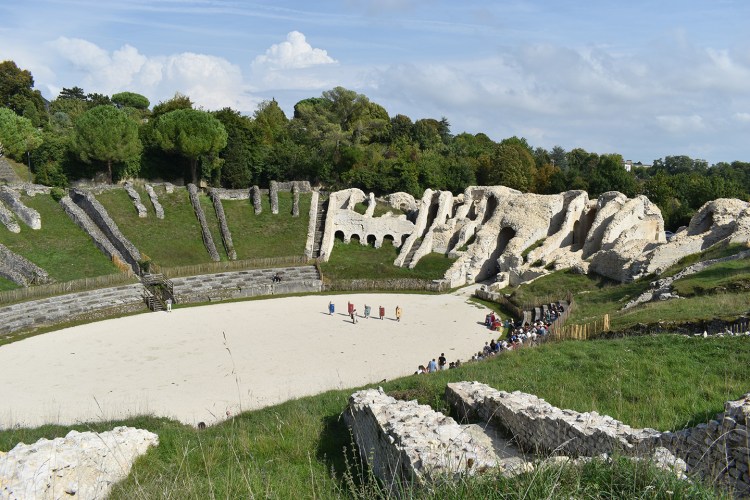
Ruins of the Roman Amphitheatre date from the first half of the first century A.D. The construction took advantage of the curvature of the vale it was nestled in. The arena was designed to hold thousands of spectators, in tiers representative of their social class, as with many Roman theatres of the time. Once the scene of the bloody battles many Romans found entertaining, today there are reenactment performances, as evidenced by the historic costumes of those in the open area when I observed.

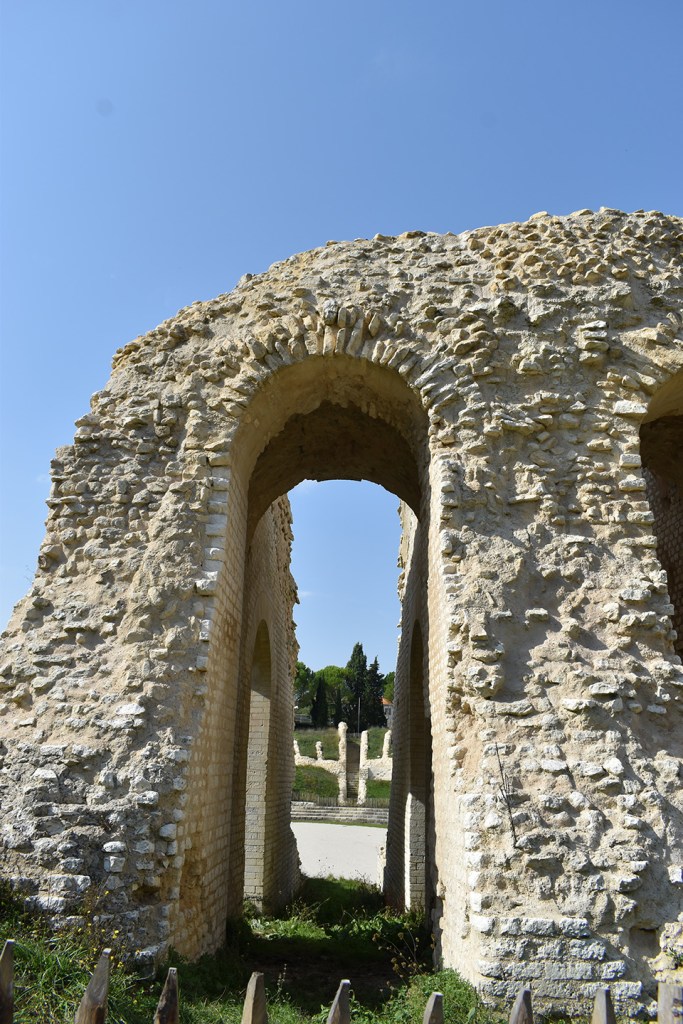
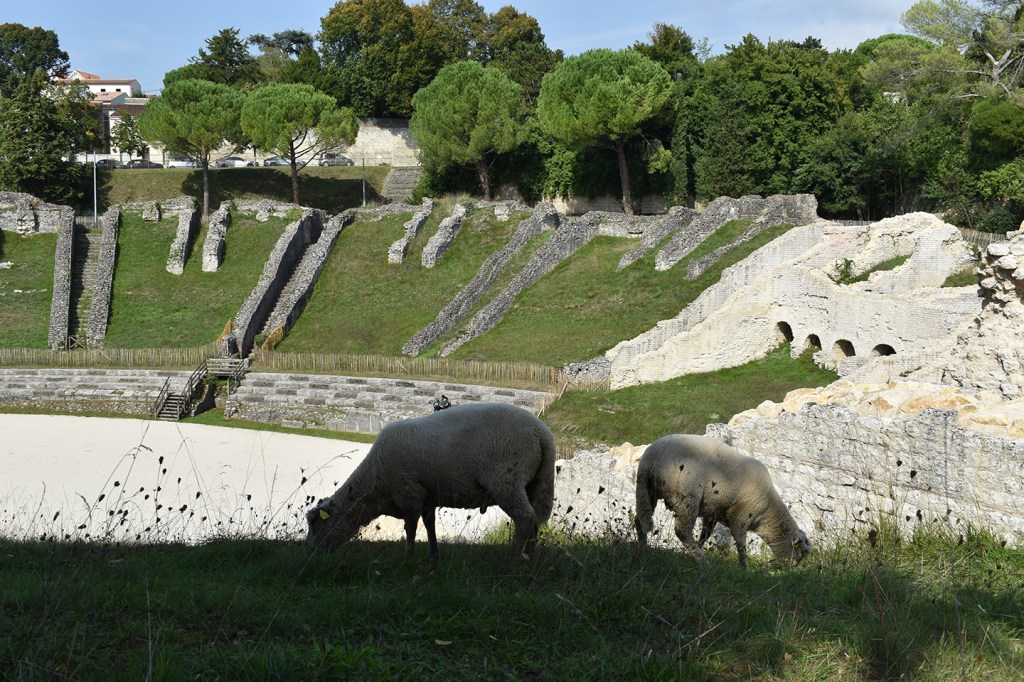
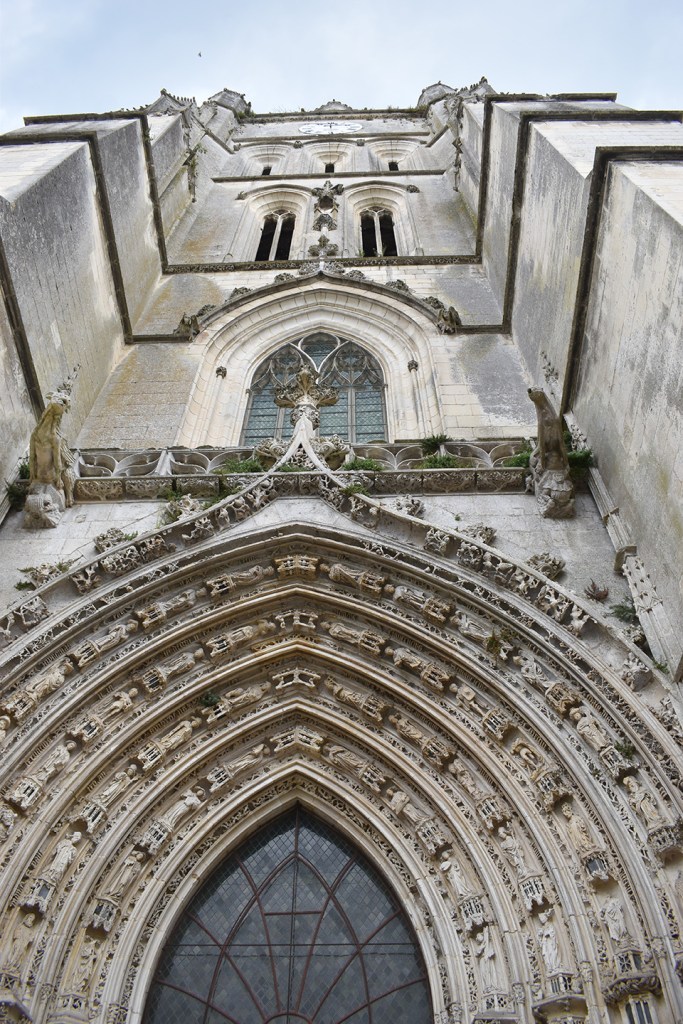
There were many other historic structures in Saintes

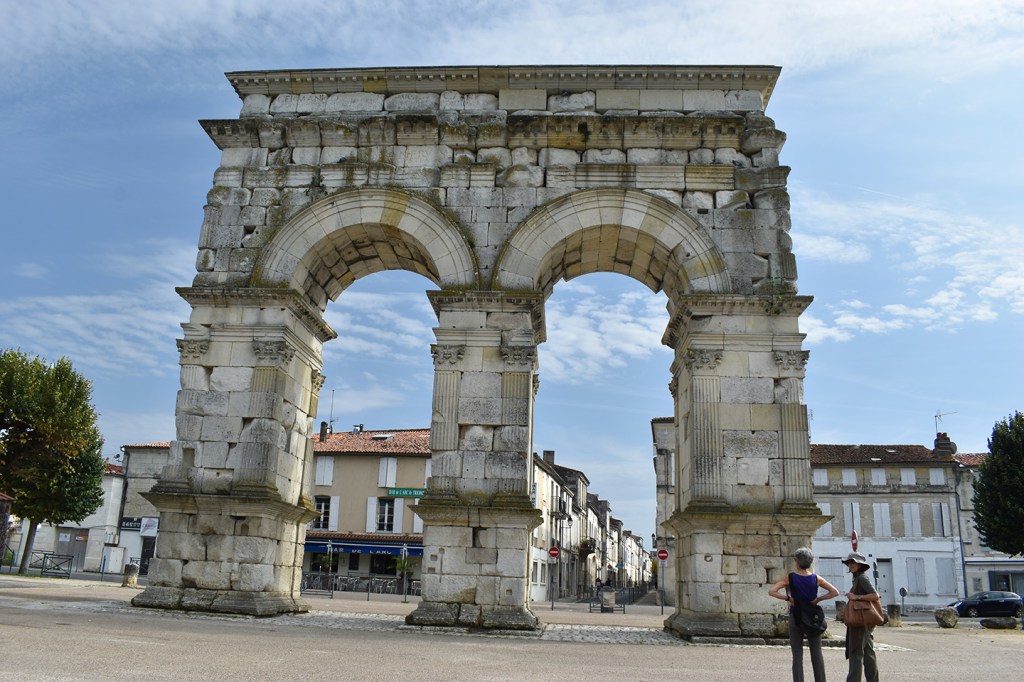
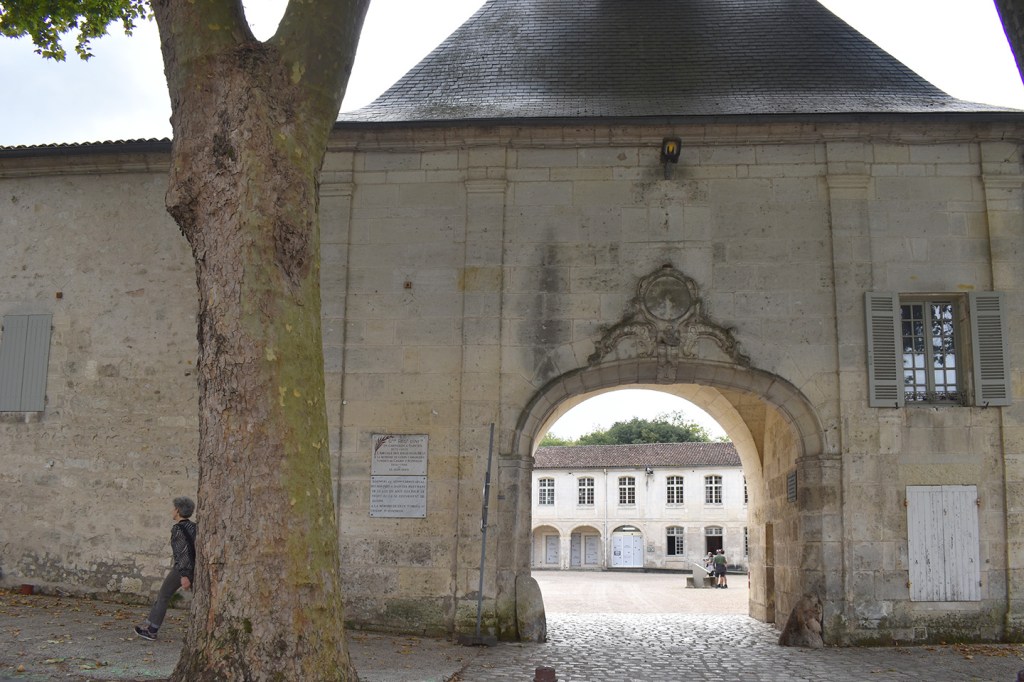

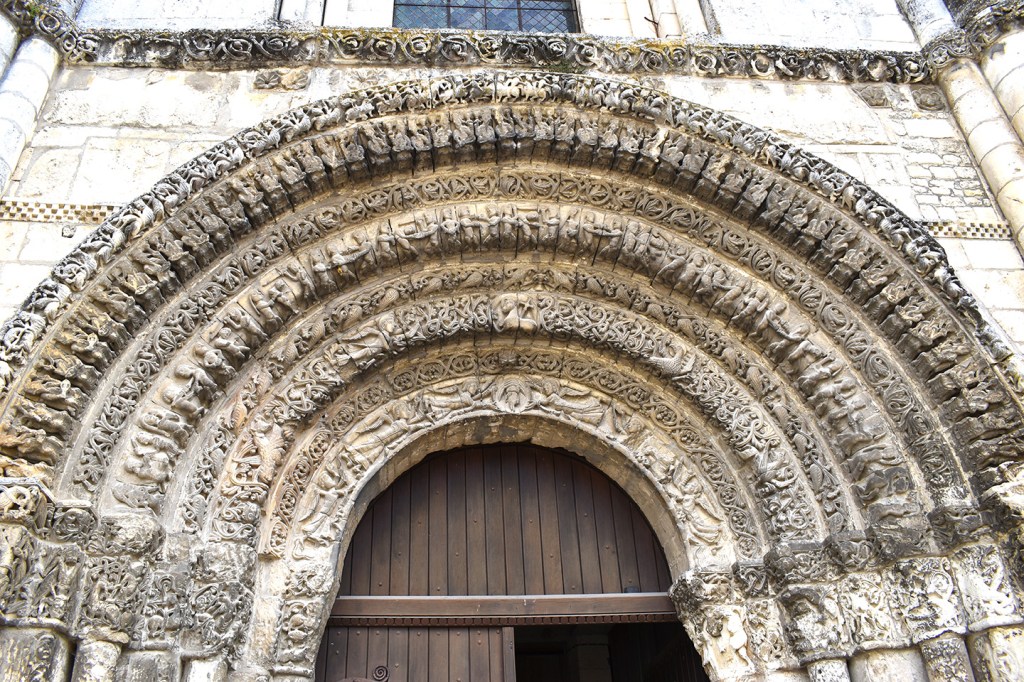
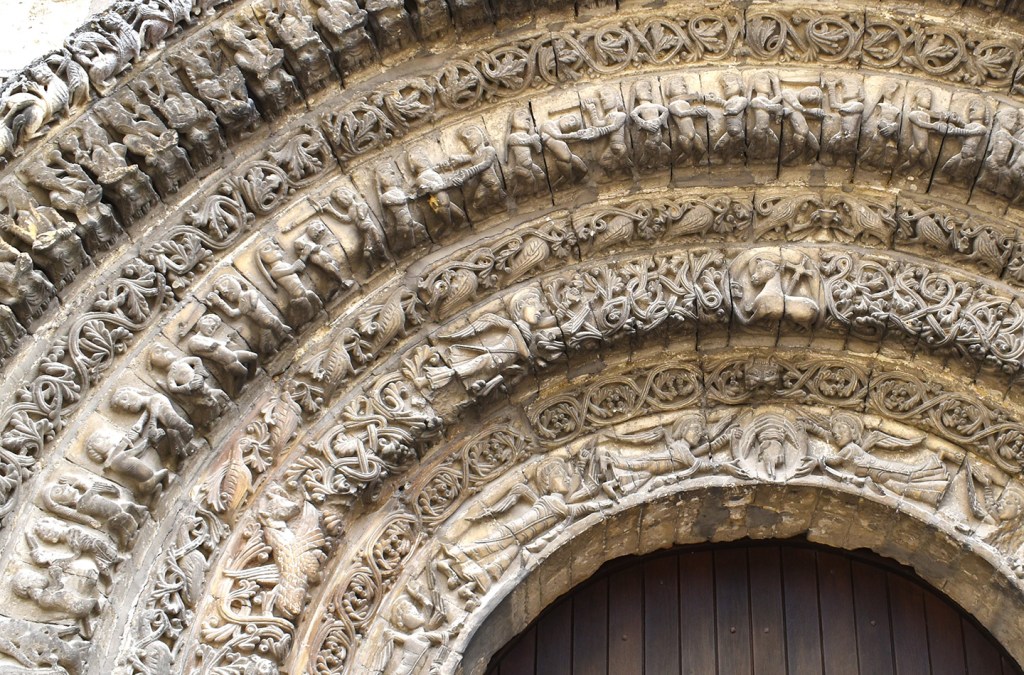

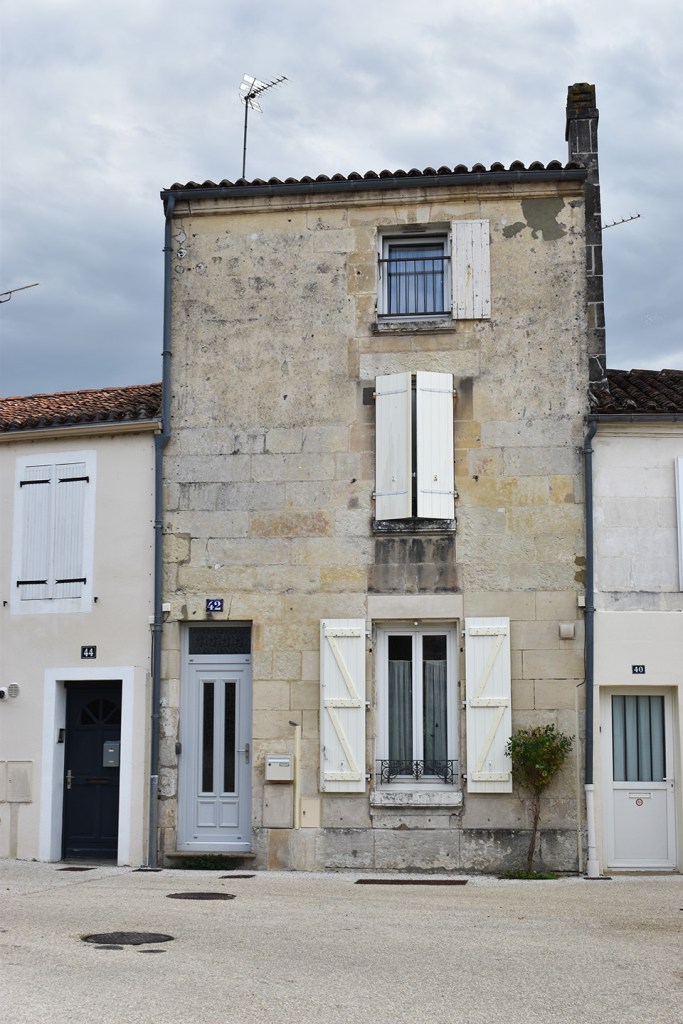


Around town


Nearby Saint-Césaire held the first historic hominid sites we visited. Paléosite recreates the lifestyle of early Homo sapiens and their structures in an indoor and outdoor museum. Models of the enormous animals that lived at the time towered over us indoors: mammoth with their massive tusks, megaloceros (a huge elk-like creature with more elaborate horns), and other ancestors of our current grazers and predators.

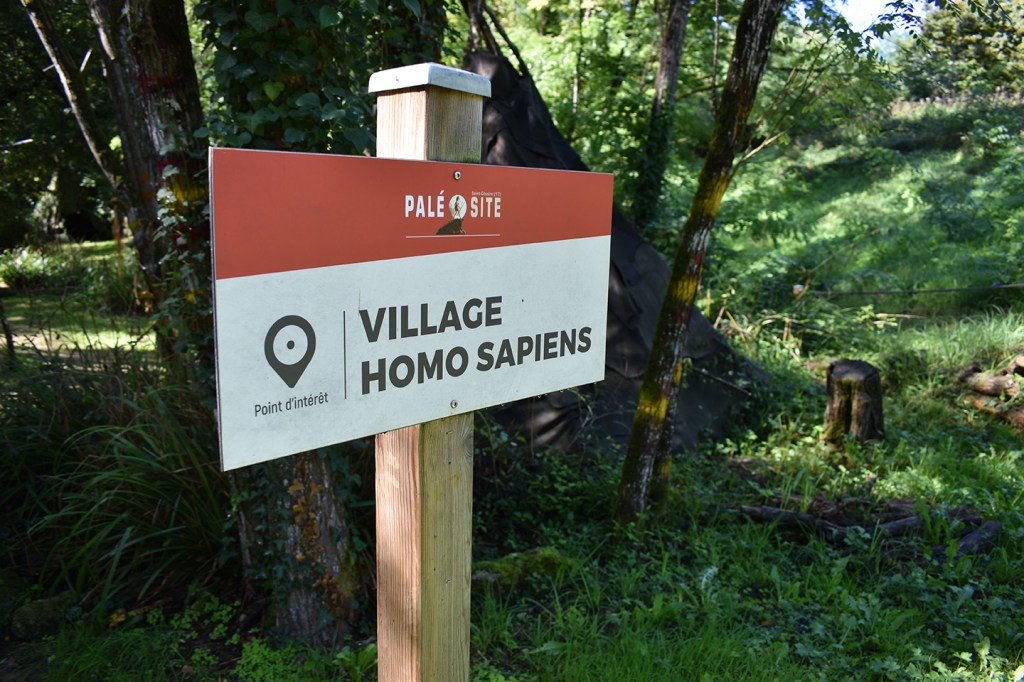
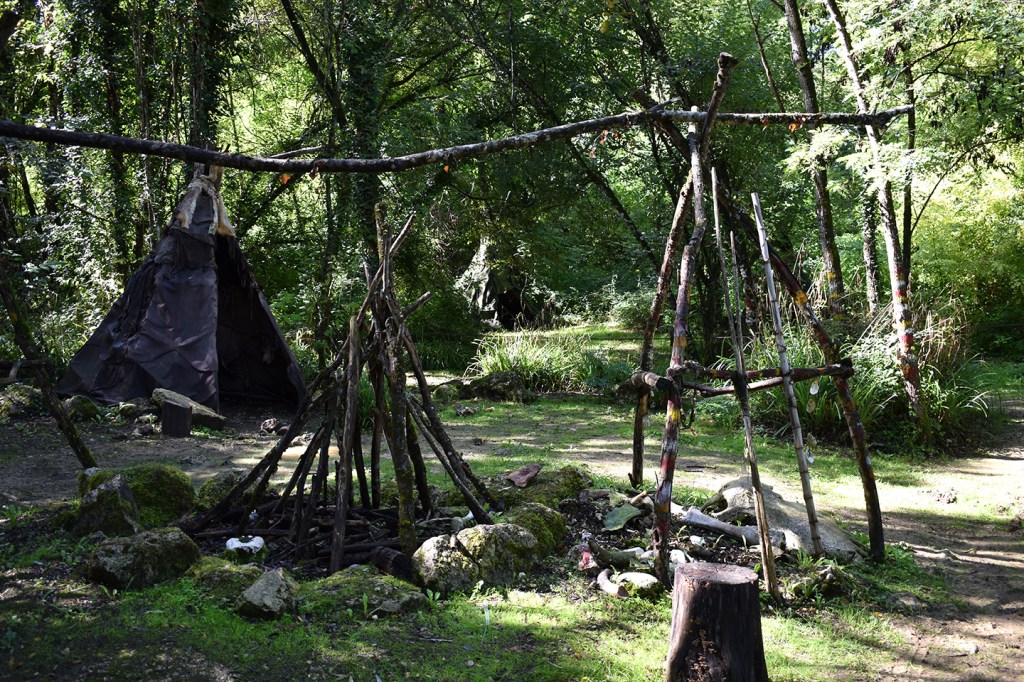
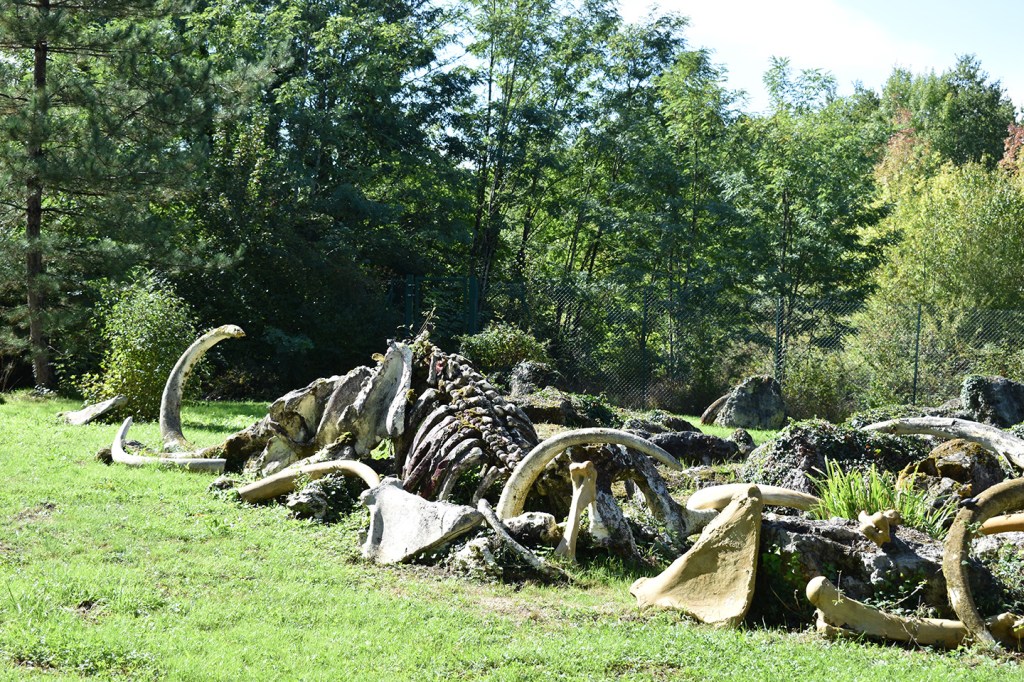
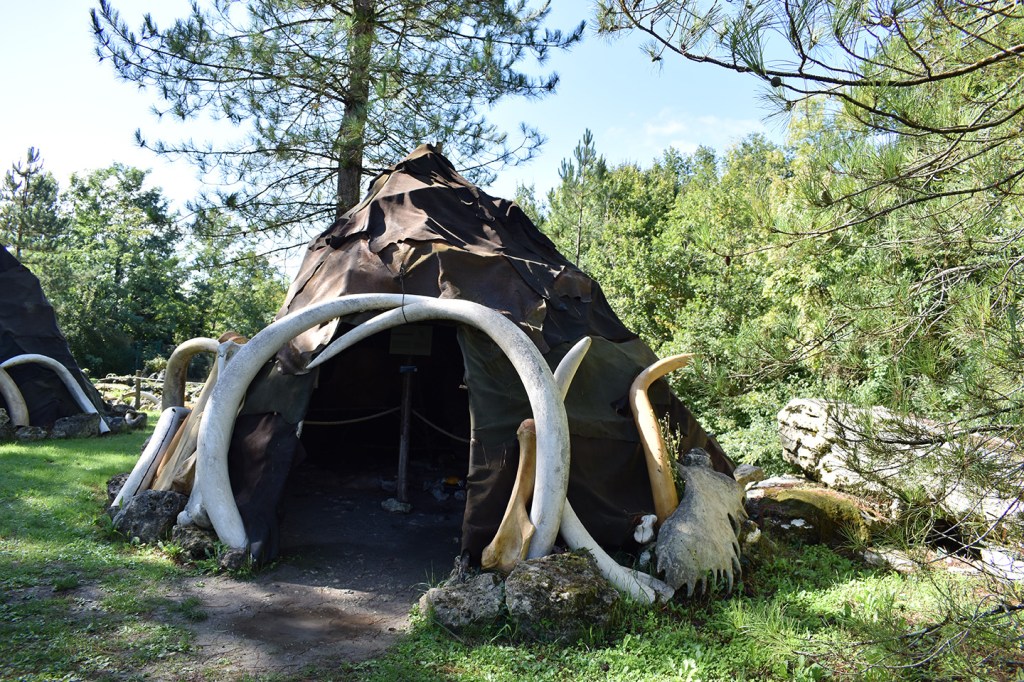

A short walk from the museum is the La Roche à Pierrot excavation site. In 1979, a fragmented skeleton of a 36,000-year-old Neanderthal was found. The preserved archaeological site is open to the public. Pierrette, as she has been dubbed, lived concurrent with early humans, in a common geographical area, adding to the questions about contact between Neanderthals and Homo sapiens (us).


A two hour afternoon drive brought us to Les Eyzies, Dordogne in the Vézère valley, where we would stay for the next three nights visiting prehistory museums and cave art.
South of France trip: Saintes, Saint-Césaire, Les Eyzies, Font-de-Gaume cave, Lascaux, Les Combarelles, Pech-Merle caves, L’Aven d’Orgnac, Sarlot, Chauvet, Montpelier, Arles, Marseilles, Cosquer
Please do not download or reproduce images from this site. ©
Your comments are welcome!
Popular posts/stats/categories
Email me at: Ruth@RuthRosenfeld.com
Follow me on: Facebook Instagram BlueSky Blog
 Ruth Rosenfeld
I’ve vaguely heard of Saintes, but I’ve not been there (nor really to the Charentes region– closest I’ve been was to Bordeaux). It’s incredible that France has its excavation sites, and it looks very extensive! Looks like a fun and educational visit, Ruth 🙂
LikeLiked by 1 person
Saintes wouldn’t have been on my list to see, but it was a jumping off point for this tour. It was certainly an educational trip. Thanks, Rebecca.
LikeLiked by 1 person
How fascinating! All the blog posts I’ve ever read about France, and none of this history has ever come up. I’m really looking forward to learning more!
LikeLiked by 1 person
We are always learning…!
LikeLiked by 1 person
That is a unique looking amphitheater. I’ve never seen one like it. I don’t know anything about Saintes, so this was fun to read and learn. Maggie
LikeLiked by 1 person
Thanks, Maggie. This area was all new to me, a learning adventure.
LikeLike
The region of Gaul in relation to Ancient Roman history is infrequently discussed these days. Your photos stir up that up in my imagination.
LikeLiked by 1 person
The French culture generally does not emphasize it’s Roman period. In this area, it’s a visible part of history.
LikeLiked by 1 person
I’d not heard of Saintes. It looks a lovely town! I like the way bits of more ancient structures are dotted around, and the details on the portal of that church are beautiful!
LikeLiked by 1 person
Saintes was an unexpected, interesting discovery as were many of the southern France villages we stopped in. Thanks for reading, Sarah!
LikeLiked by 1 person
What an extraordinary area to explore. I’ve always been fascinated with the caves and dwellings in this part of France. I’m so happy to experience this through your eyes and lens. Thanks for sharing and I look forward to the next post!
LikeLiked by 1 person
Thanks so much for reading and your comment! So glad to know you are interested in this area. Stay tuned… it gets more interesting. Please sign your posts so I know who you are!
LikeLike
What an amazing place, the details in the carvings are spectacular. It looks a fascinating place to visit.
LikeLiked by 1 person
Thanks, Hannah. It was surprisingly interesting, even though I didn’t think of it as a destination stop.
LikeLike
Wow, what a truly fascinating place to explore. The amphitheatre size, age and atmosphere brimming with history are all very impressive, dear Ruth. It would be pretty cool to travel back in time and experience what a day at the amphitheatre typically looked like, especially with gladiators facing off in the arena, to the sound of the roaring crowd. Thanks for sharing, and have a good day 🙂 Aiva xx
LikeLiked by 1 person
It does make one think about the crowded seats and roar of the spectators. It would be quite a spectacle! But I wouldn’t want to see the gladiators fighting each other or animals. I’m glad we’ve moved past that. Thanks for your thoughts, Aiva.
LikeLiked by 1 person
🥰🥰🥰
LikeLiked by 1 person
Great photos! The amphitheater and other Roman ruins are spectacular, as is the prehistoric sight. I’m going to have to look on a map to find out exactly where this is.
LikeLiked by 1 person
Thank you, my friend! Do look it up. It’s not on the regular tourist’s radar.
LikeLiked by 1 person
Sounds like a fascinating tour. Even better that it was a small group. The ruins of the Roman Amphitheatre are impressive.
LikeLiked by 1 person
Thanks for reading.
LikeLiked by 1 person