
The most majestic and the most visited of Mexico’s Maya ruins is Chichén Itzá on the Yucatán peninsula. Its proximity to the Atlantic coast makes it a popular day trip for beach and resort tourists. So we went early in the morning to beat most of the crowds.
The name means “at the mouth (or rim) of the well of the Itzá,” referring to the dominant ethnic group. The site has a mix of different architectural styles, mostly Puuc and Chenes, now believed to be due to cultural diffusion — the spread of ideas, technologies, languages, religion — between cities, rather than by conquest.
The famous El Castillo or The Castle pyramid, also known as the Temple of Kukulkán, the serpent deity, dominates the site, towering over a broad open area, which makes it look monumental. Climbing the pyramids is no longer allowed. Walking around the structure, serpents can be seen. There are many other buildings, including less developed areas. Intricate carvings on the structures tell stories of the Mayan past, the culture, gods, ceremonies, and people.
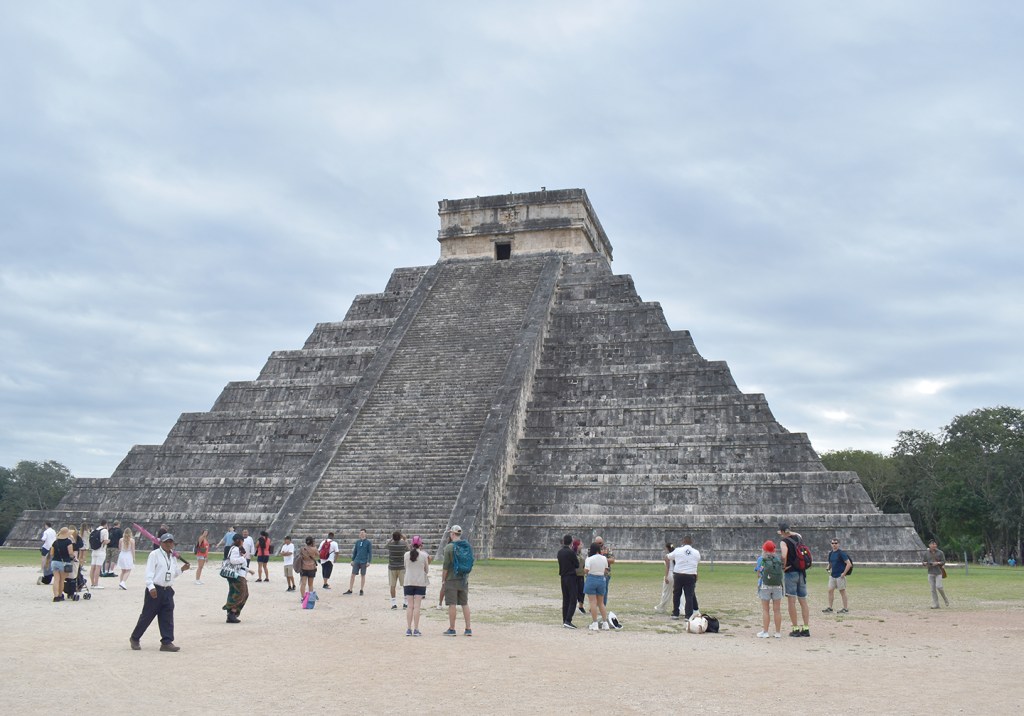


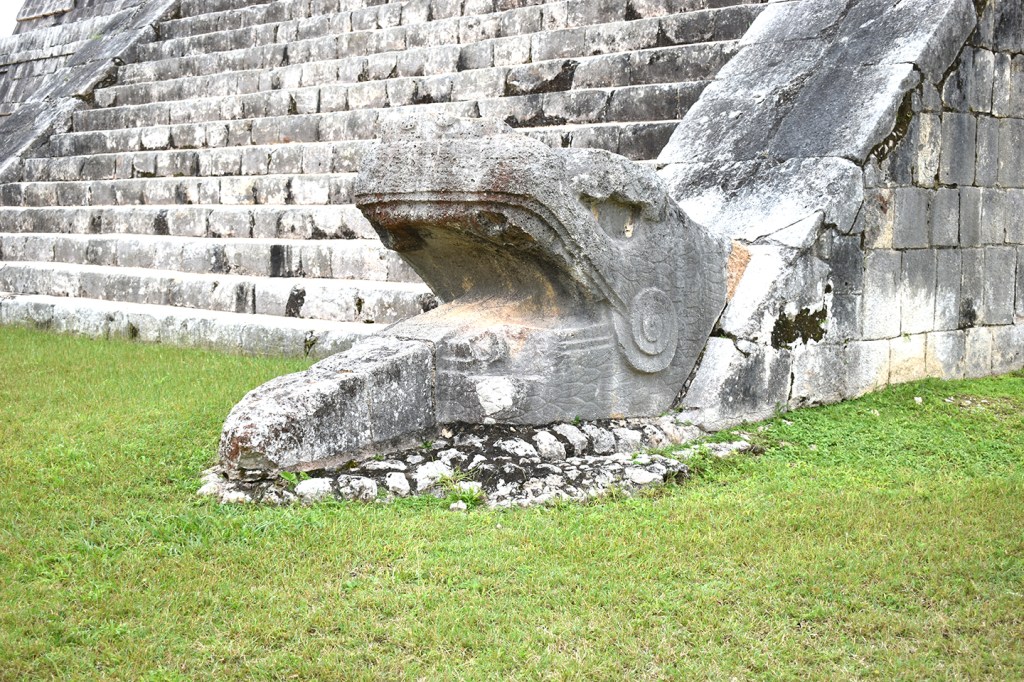


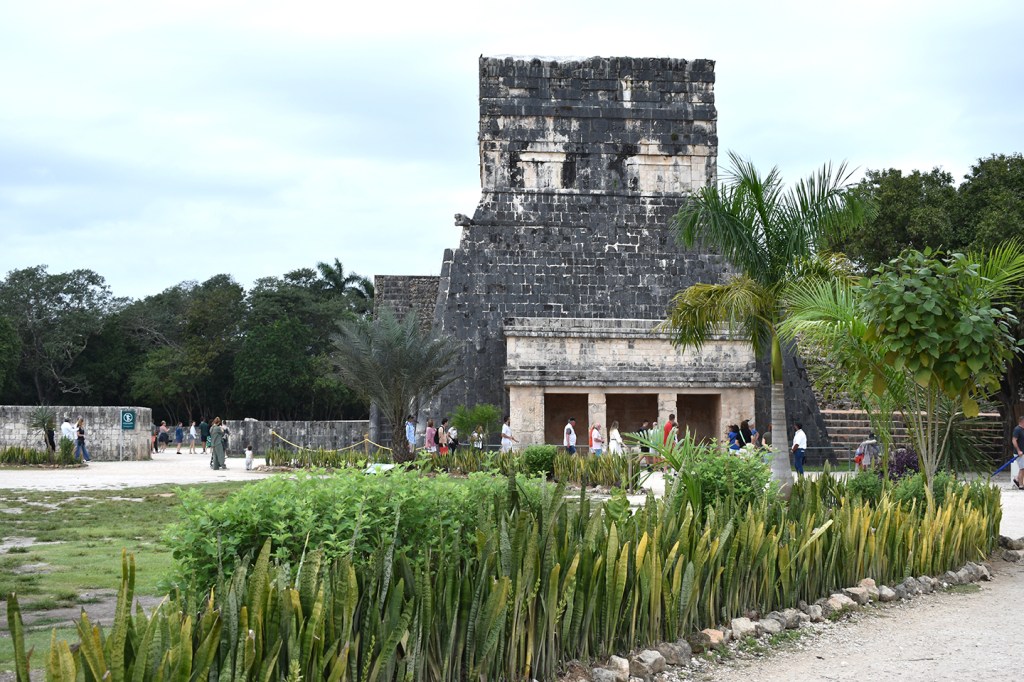


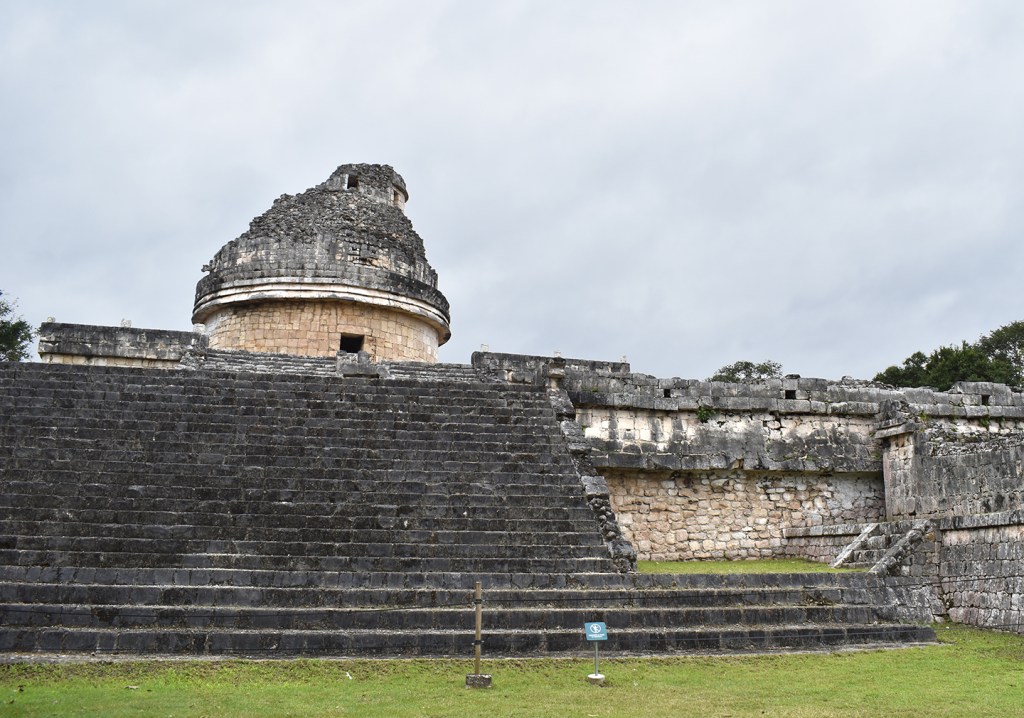


The walls along the huge Ball Court were carved with images of human sacrifice, a ceremony at the end of the games.

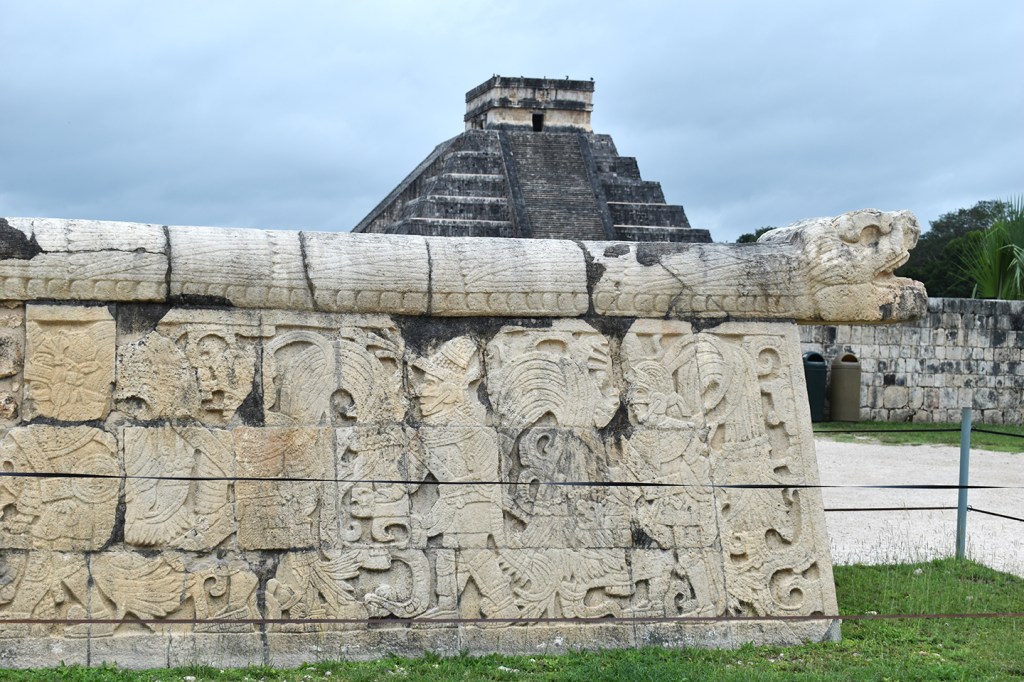
Roaming around the lesser buildings, it was easy to get a bit confused with all the paths. As the morning went on, artisans and vendors lined the walkways.
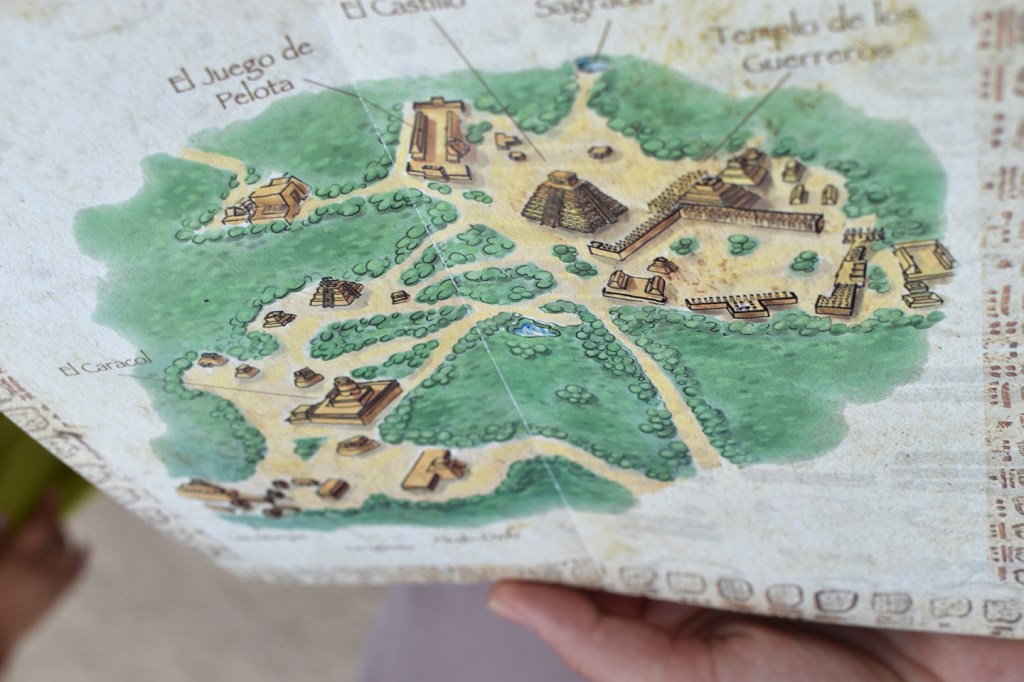
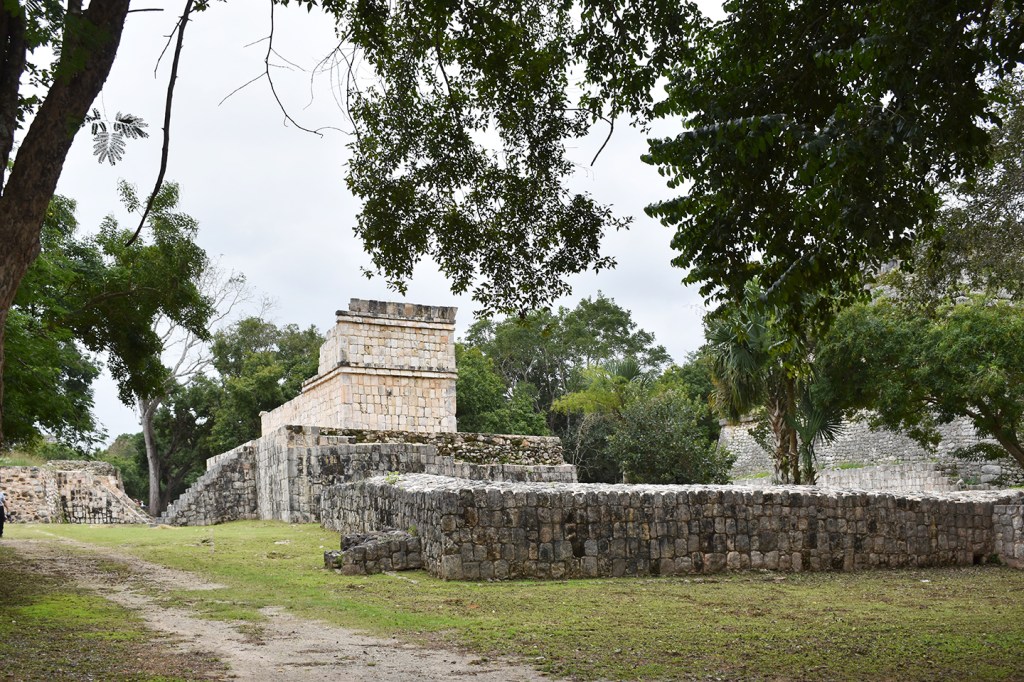

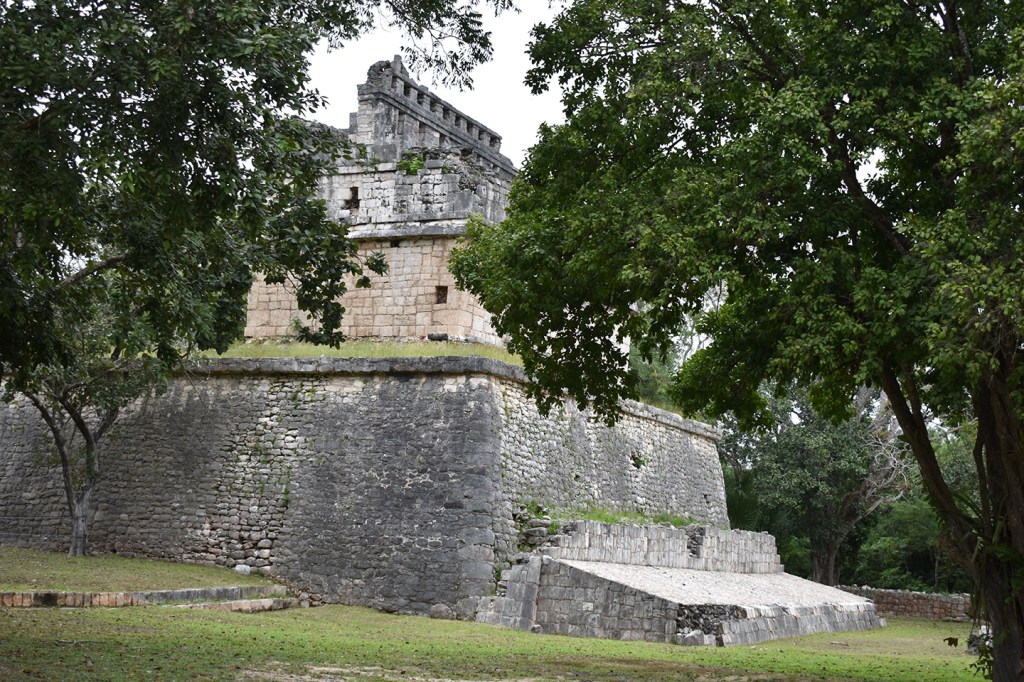
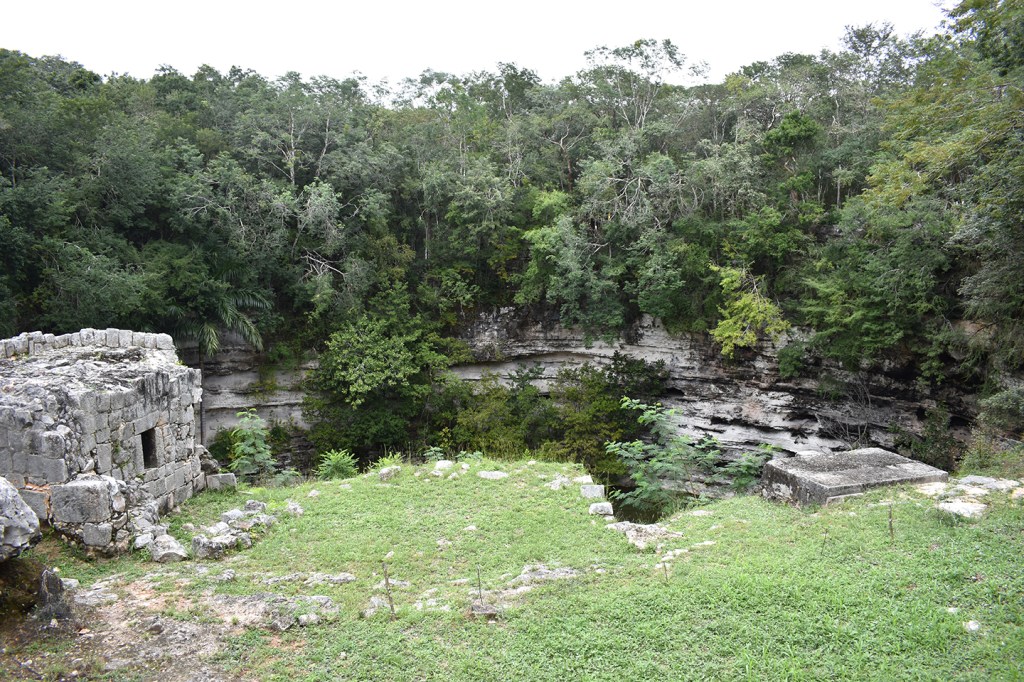
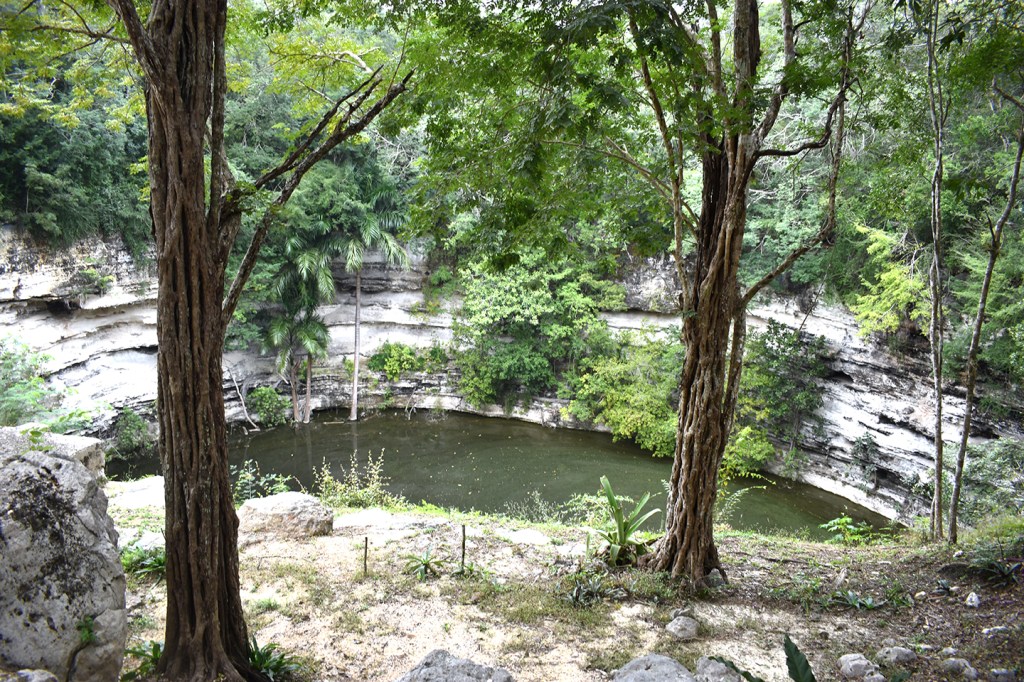
A cenote, a sinkhole pool, at the far end that may have been a collapsed cave, was sacred to the Mayans. Swimming is not permitted in this cenote. It was known as the home of the river god, Chaac. Bones of men, women, and children were found in the cenote with hands and feet bound, suggesting they were sacrificed. Artifacts of gold, jade, and obsidian were also found there.
Mexico: Mexico City, Teotehuacán, Tlahuac, Puebla, Cholula, Oaxaca, Monte Alban, Crossing Oaxaca, Sumidero Canyon, San Cristobal, Chamula, Agua Azul, Palenque, Campeche, Mérida, Uxmal, Chichen Itzá, Playa del Carmen
Please do not download or reproduce images from this site. ©
Your comments are welcome!
Popular posts/stats/categories
Email me at: Ruth@RuthRosenfeld.com
Follow me on: Facebook Instagram BlueSky Blog
 Ruth Rosenfeld
Loved visiting here years ago!
LikeLiked by 1 person
It is a fascinating place!
LikeLiked by 1 person
“Serpent deity” – that’s a first for me. Interesting to see a culture elevate snakes (and jaguars) to godlike, whereas today they’re considered just another animal.
LikeLiked by 1 person
Jaguars and snakes pervade ancient Mexican mythology, as they are inhabitants of their land. Other cultures throughout history had gods based on various creatures that were meaningful to them.
LikeLiked by 1 person
Very impressive! Having visited a few of the Wonders of the World, I’m very keen on visiting Chichen Itza, hopefully sooner than later! As it’s not as far from home as the other wonders, a visit to Chichen Itza seems feasible. Thanks for sharing your visit with us, Ruth!
LikeLiked by 1 person
It’s worth a visit, and you can pair it with a Yucatan beach trip, like most people do. Thanks to you for following along on this journey, Rebecca!
LikeLiked by 1 person
It is an amazing place. We spent almost an entire day wandering through the large complex. Maggie
LikeLiked by 1 person
I’m not surprised you spent most of a day. I only scratched the surface (a bit of a pun there). Thanks for reading, Maggie.
LikeLike
I doubt if I’ll ever get there, but I’d like to. Fascinating sites and sights.
LikeLiked by 2 people
It’s quite a step into the past, and amazing to realize the sophistication of their culture.
LikeLiked by 1 person
I know first-hand how utterly fantastic Chichen Itza is. I was unable to follow in my father’s footsteps–he was able to climb the famous pyramid back in the day.
LikeLiked by 1 person
Glad to know you were there! There are few of these ancient sites that allow people to climb up anymore, minimizing damage from ever increasing crowds of tourists. It must have been a memorable experience for him.
LikeLiked by 1 person
We visited Chichen Itza when we were staying in Cozumel nearly a decade ago. It was quite the journey to get there that involved going with a tour group. Our tour wasn’t the greatest, but we did have some time to explore the ruins on our own afterwards, which was the best part. I wish we could have stayed longer.
LikeLiked by 1 person
Glad you made it there. That’s one of the limitations of going with a tour group – you’re on their schedule. I enjoy traveling alone, but chose a tour for this journey across Mexico. I felt safer and got around to many more places than I would have on my own.
LikeLiked by 1 person
We didn’t get to this part of Mexico at all so I was interested to hear about your visit. I think it’s good you went early as it seems much less crowded in your photos than some others I have seen. For the same reason I welcome the fact that climbing on the pyramids is no longer allowed – not only does it cause wear and tear, it also detracts from the atmosphere imho.
LikeLiked by 1 person
There was one site I visited where climbing was allowed on one of the pyramids. Was it Palenque? Not sure. It was quite a challenge to take a photo without people on it. Besides concern for damage, it seems more respectful to let the structures stand alone.
In Tikal, there was one pyramid, not in the main square, where a wooden staircase was provided. I don’t know if that’s still permitted. I was able to watch the sunrise up there, tower tops poking through the canopy, howler monkeys calling!
LikeLiked by 1 person
When we visited Tikal (2010) there were at least two pyramids you could climb – I made it up one and the views were amazing, giving a real sense of how the city is mainly still hidden in the forest. It was also possible to climb several at Lamanai the same year – I don’t know if that has changed. I do agree that it seems more respectful not to do so.
LikeLiked by 1 person
Really impressive!
Unfortunately I’ve never visited Mexico!
LikeLiked by 1 person
I hadn’t been to the ruins before, just beach spots along the coast. It was a fascinating trip. Thanks for your comment, Luisa!
LikeLiked by 1 person
My thanks go to YOU for your kind reply, dear Ruth 💙
LikeLiked by 1 person
It really is an incredible site, I would absolutely love to visit one day.
LikeLiked by 1 person
It truly is magnificent. And close enough to the resort areas on the Atlantic to make it a convenient stop. Hope you get there!
LikeLike
So interesting – with wonderful pictures. Thanks for sharing your travels.
LikeLiked by 1 person
Thank you! Please sign your comment so I know who you are.
LikeLike
What an impressive place! I would love to visit one day and see these structures for myself. It’s amazing they’re in such good condition still, and every time I see photos I’m just in awe of the time and effort that went into building them.
LikeLiked by 1 person
They are well maintained. Mexico values its ancient history and takes good care of these sites. Thanks for coming along on this journey with me, Diana!
LikeLiked by 1 person