
West of Oaxaca, an easy day visit, is the ancient ceremonial center of Monte Alban. Built by the Zapotecs on a leveled mountaintop, it served as their capital from 500 BCE to 800 CE. Its terraces, dams, canals, and pyramids spread over four miles. Monte Alban was home to approximately 35,000 people, most of whom devoted themselves to agriculture on its terraced slopes. It was the largest city in the region and had trade ties with Teotihuacán. It was abandoned in the late 8th century CE.
The city was later inhabited by Olmec and Mixtec peoples. The Mixtec were conquered by the Mexica (Aztec), and it fell into ruin around the time of the Spanish conquest, in the 1520s. The site lay forgotten for centuries until Mexican archaeologists rediscovered it in the late 19th century. It was named as a World Heritage Site along with Oaxaca in 1987.
The Gran Plaza is said to have been large enough for the entire population to gather. The North and South temples, not as tall as the towers of the Mayan or Teotihuacán, can still be climbed. The site includes excavated tombs and what is believed to be an astronomical observatory aligning with specific stars. A bit cooler on the day I wandered there, the cloudy skies gave the site a mysterious light.
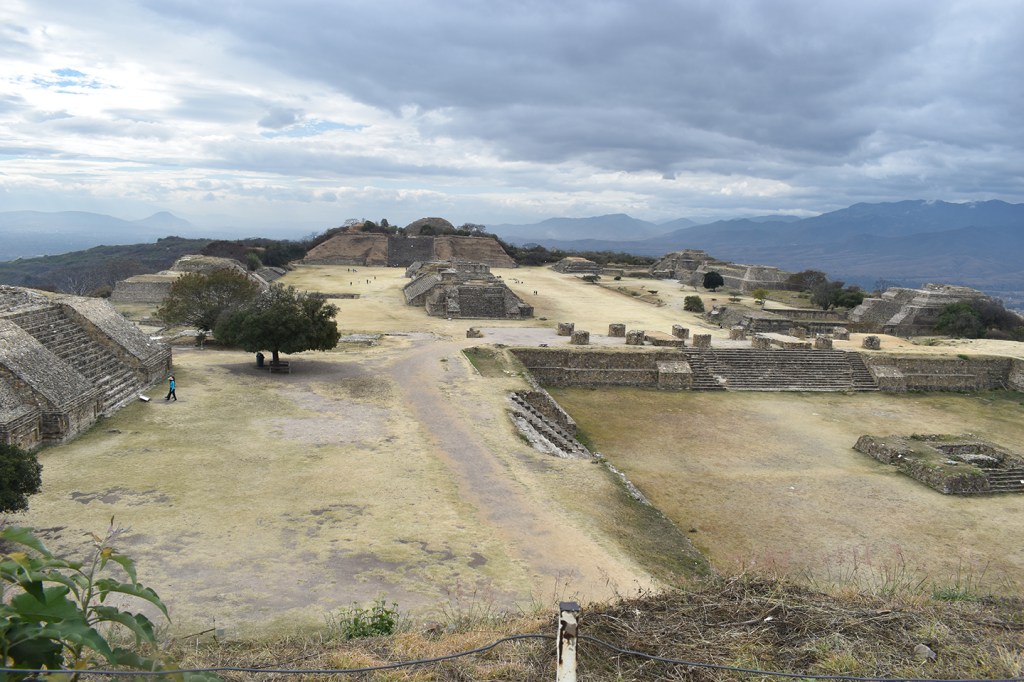

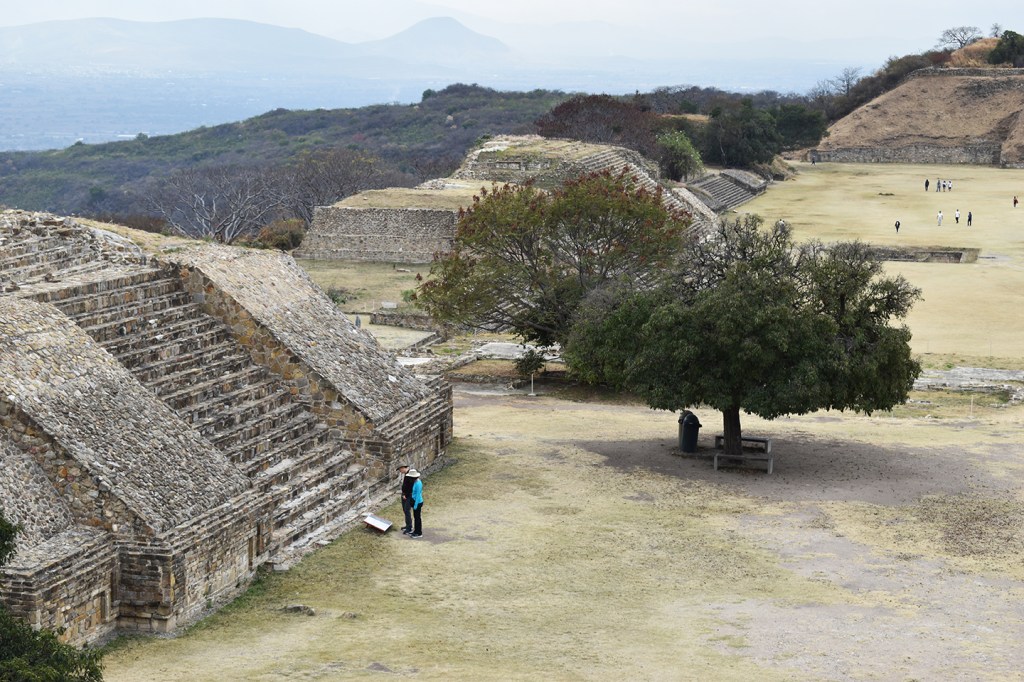

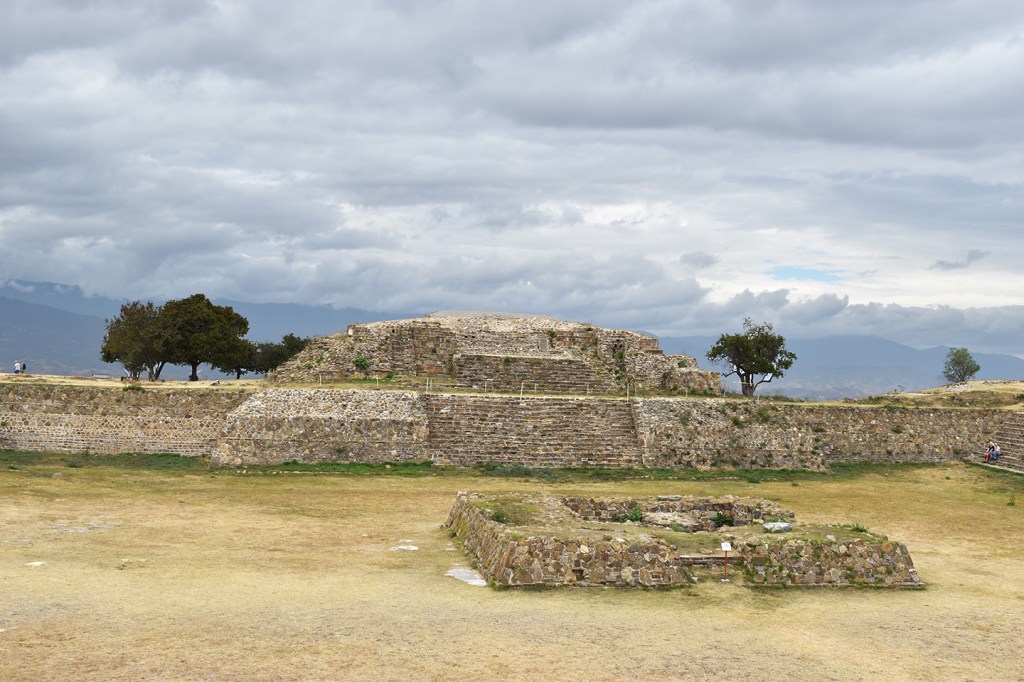


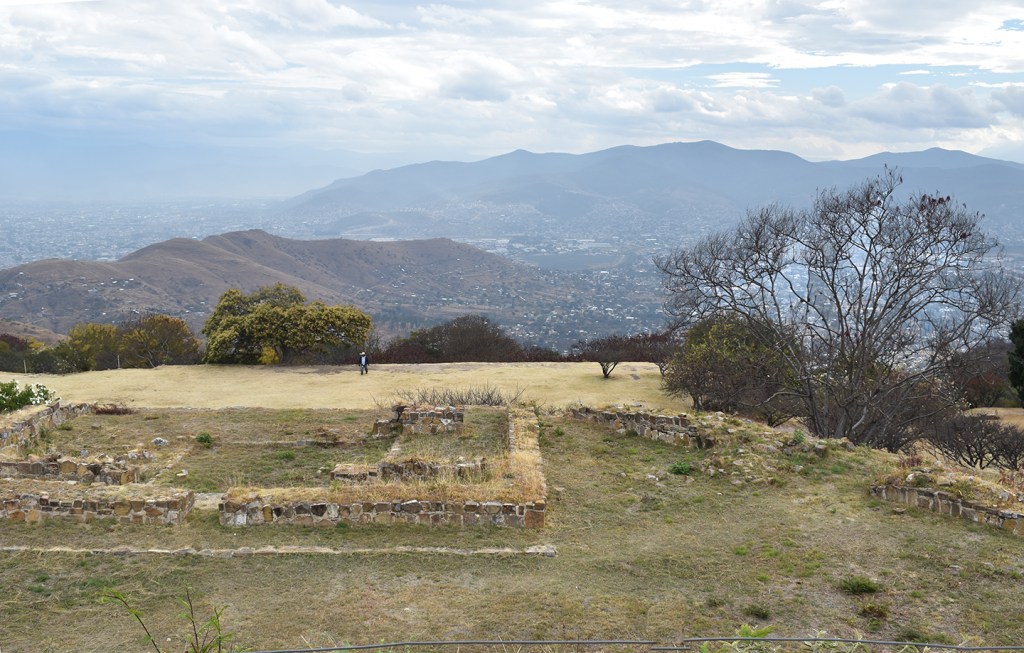
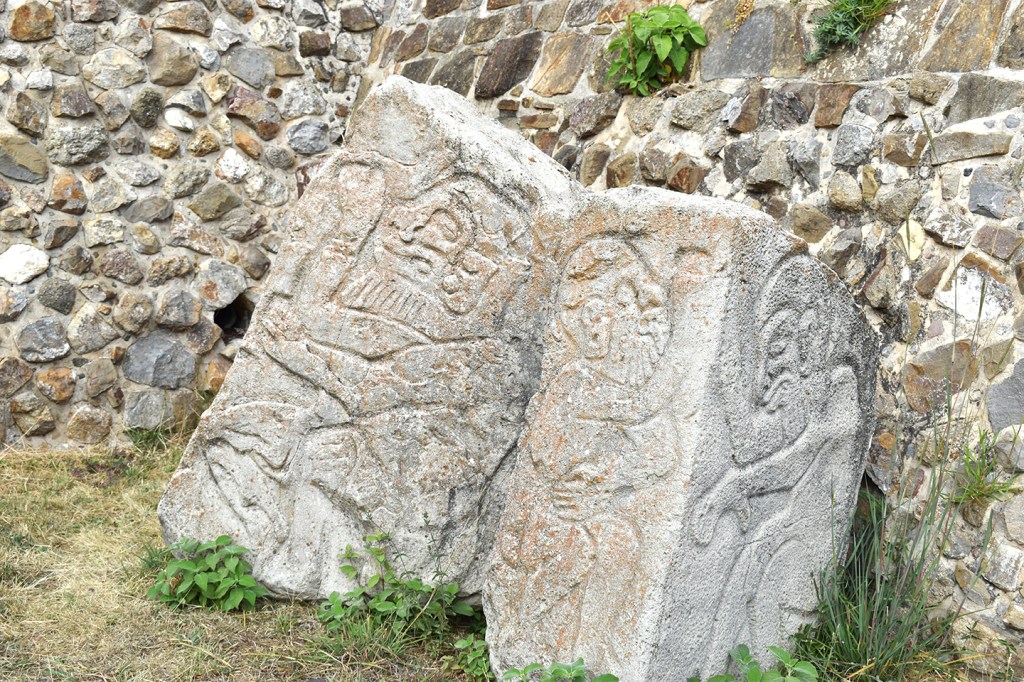
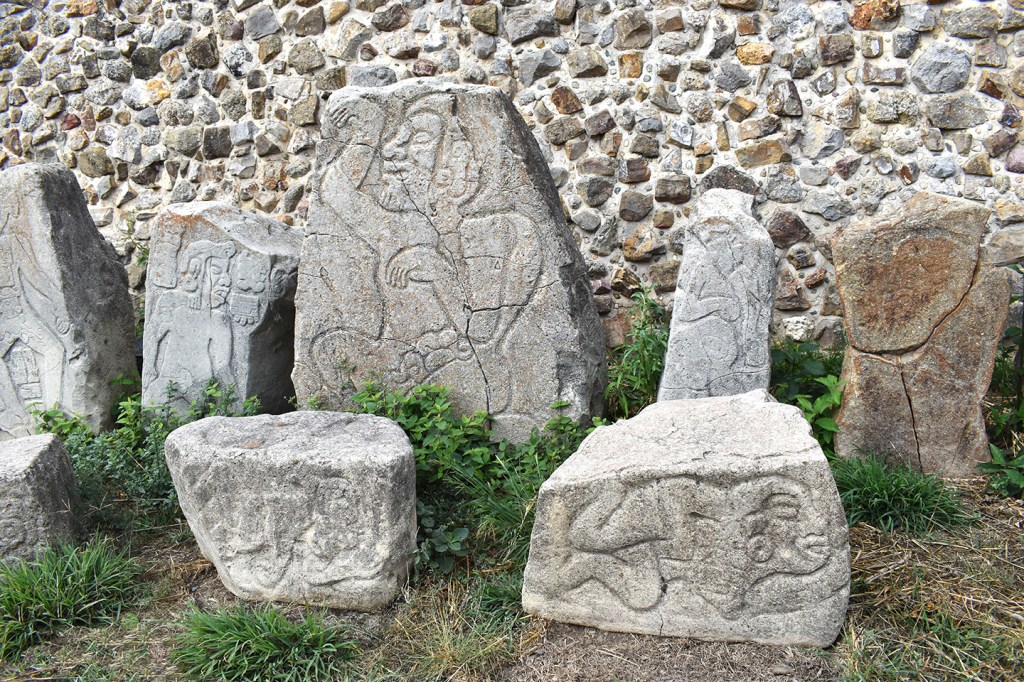
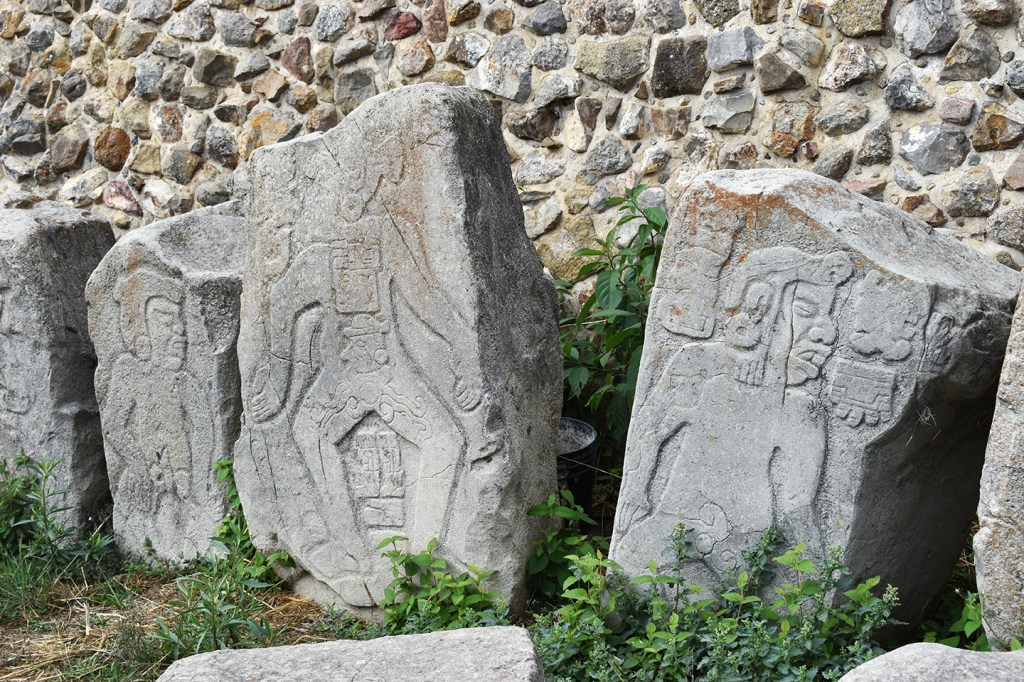
The unique carved stone figures, Los Danzantes (dancers), are not dancers, as first believed. They are thought to be images of dead or sacrificed prisoners of war, some disemboweled or castrated. Other carvings, less gruesome, were found inside tombs. Many more carvings can be seen in the museum at the site.

The Ball court, similar to those seen at Maya ruins, was a fixture in these ancient cities, where the game of Pelota was played. The ball was bounced off the stone terraces as players tried to pass it through a stone ring on the side of the court. As with football (soccer) today, the ball could be hit by any part of the body except the hands. The losing team was believed to be sacrificed.

The on-site museum holds many treasures found at the site.

Mexico: Mexico City, Teotehuacán, Tlahuac, Puebla, Cholula, Oaxaca, Monte Alban, Crossing Oaxaca, Sumidero Canyon, San Cristobal, Chamula, Agua Azul, Palenque, Campeche, Mérida, Uxmal, Chichen Itzá, Playa del Carmen
Please do not download or reproduce images from this site. ©
Your comments are welcome!
Popular posts/stats/categories
Email me at: Ruth@RuthRosenfeld.com
Follow me on: Facebook Instagram BlueSky Blog
 Ruth Rosenfeld
Monte Alban isn’t as glamourous as some of the others without tall pyramids, but we found it very interesting too. The sky when you visited does make it very mysterious. Maggie
LikeLiked by 1 person
Each one of these ruins sites has their own story. Mexico has done an impressive job preserving and interpreting them. Not as dramatic, but yes, still interesting.
LikeLiked by 1 person
Thanks for sharing your great photos and the history behind them.
LikeLike
Thanks so much for your visit and comment!
LikeLike
Honestly, the lack of crowds in your photos make this seem more appealing than some of the other places you’ve shared. I love the moody skies, too!
LikeLiked by 1 person
It’s definitely one of the less visited ruin sites. And perhaps those dark skies kept some people away as well! Thanks, Diana.
LikeLiked by 1 person
The members of the losing team probably were killed? — humankind is and always has been innately violent.
LikeLiked by 1 person
Horrific, isn’t it? It must be a custom of the Zapotec. I heard that the players were revered elsewhere, Chichen Itza, I think.
LikeLiked by 1 person
I love how at Monte Alban, you can take a step back in time and since it’s only 25 minutes outside of Oaxaca, it doesn’t take that long to get there and explore. It’s quite clear that the Zapotecs built temples, palaces, and pyramids that rival the grandeur of the Egyptian ones. Thanks for sharing, and have a good day 🙂 Aiva xx
LikeLiked by 1 person
Thanks for reading, Aiva. Your comments often show that you’ve done your own research, coming up with a fact or observation that was not in my blog. I’m glad to spark some additional curiousity on your end!
LikeLike
These ancient sites utterly fascinate me. The combination of beauty with brutality is a conundrum I try to understand.
LikeLiked by 1 person
I find these sites fascinating too, leading to this trip across the country to see them. They vary quite a bit but are all quite magnificent. Unfortunately, violence was present in so many ancient cultures, and some closer to the modern day as well.
LikeLiked by 1 person
This is especially meaningful as we just got back from Mexico a few hours ago, and saw similar – albeit Mayan – ruins whilst down there.
LikeLiked by 1 person
Monte Alban is not as grand as Chichen Itza but does represent a similar advanced culture with science, architecture, and arts. Looking forward to your blog/podcast about it.
LikeLiked by 1 person
This was one of my favourite sights in Mexico – thank you for taking me back 🙂
LikeLiked by 1 person
My pleasure… glad you enjoyed this, Sarah.
LikeLiked by 1 person
It’s neat to hear about the history of this place and to see the ruins and carved stone figures. I guess they took the game of Pelota very seriously if the losing team was sacrificed!
LikeLiked by 1 person
I find these vestiges of past civilizations so interesting, and the stories vary. In other sites, Mayan, the players were revered. Thanks for reading.
LikeLiked by 1 person
Nice! I’ve yet to visit Oaxaca some day, and the ruins of Monte Alban look fascinating– they have an air similar to Tikal or Chicen Itza, but on a smaller scale. Thanks for sharing, Ruth!
LikeLiked by 1 person
Each of these ancient cultures have their own architecture and style. It’s been so interesting to learn about them all. Thanks for reading, Rebecca.
LikeLiked by 1 person