
Follow the red brick stripe! The path, starting at the Information Center in Boston Common, a site where colonists gathered to rally, winds through city blocks for two and a half miles, linking historically significant sites from days of the American Revolutionary War, the war for independence from England, and the country’s early years. The trail continues on further, with sites more spread out, across the bridge to Bunker Hill, a battleground, in Charlestown, but I didn’t take the longer route.
The trail was envisioned in 1951 by journalist Bill Schofield to tie together the historic narrative to these well-preserved places. Here are some highlights. I’ll identify some of the structures as I can. Any mistakes are my own! I’ve interspersed some local scenes along the way.

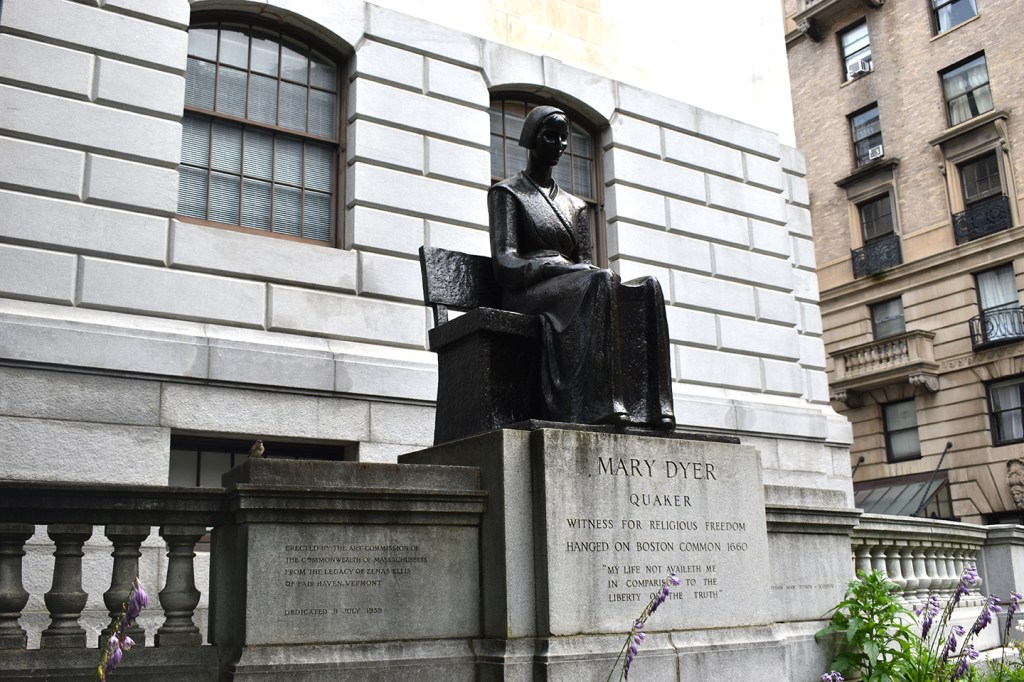
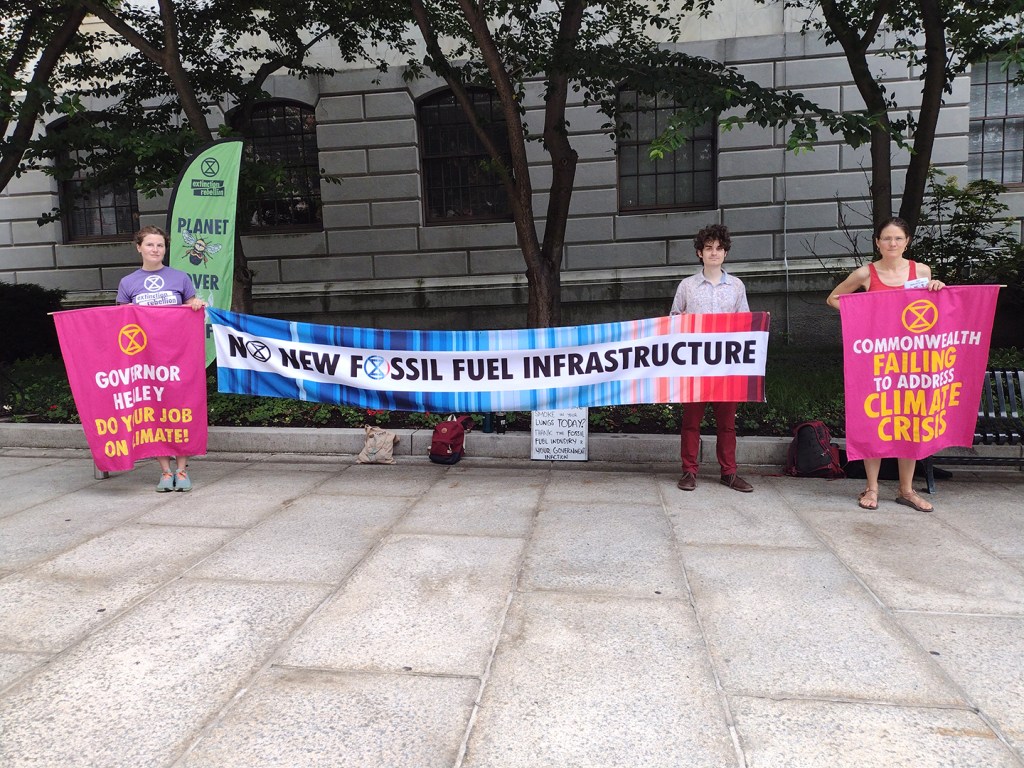
The imposing Massachusetts State House sits across from the northwest corner of the Common. A memorial to Mary Dyer, a Quaker who was hung for her work advocating religious freedom. I chatted with climate change demonstrators with signs urging the state legislature to stop fossil fuel development. Find out more about them at Extinction Rebellion, xrboston.org.

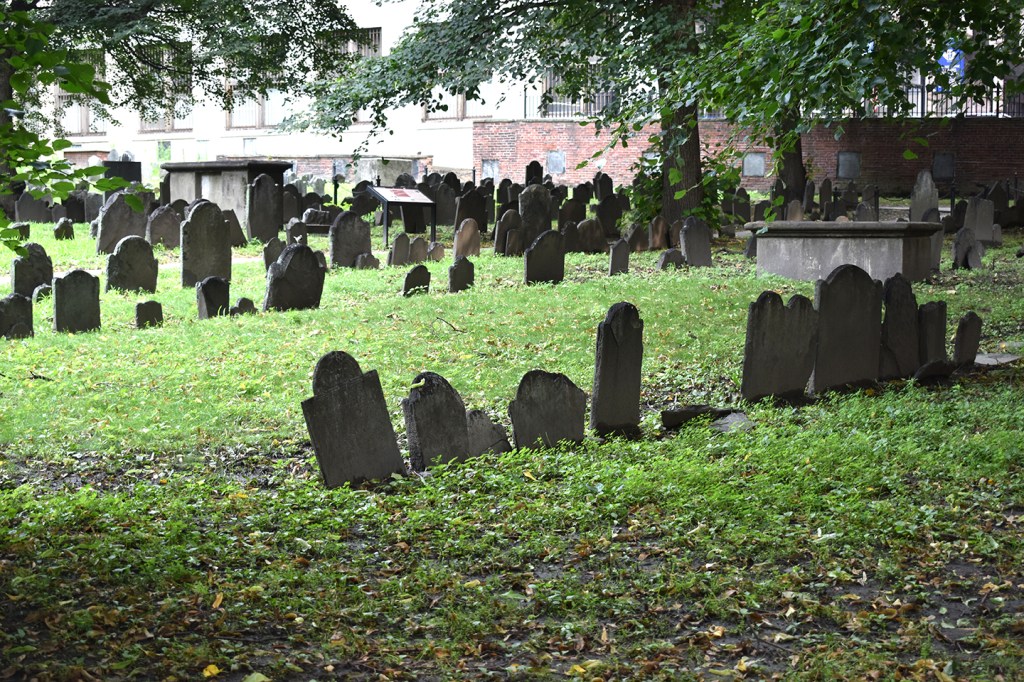
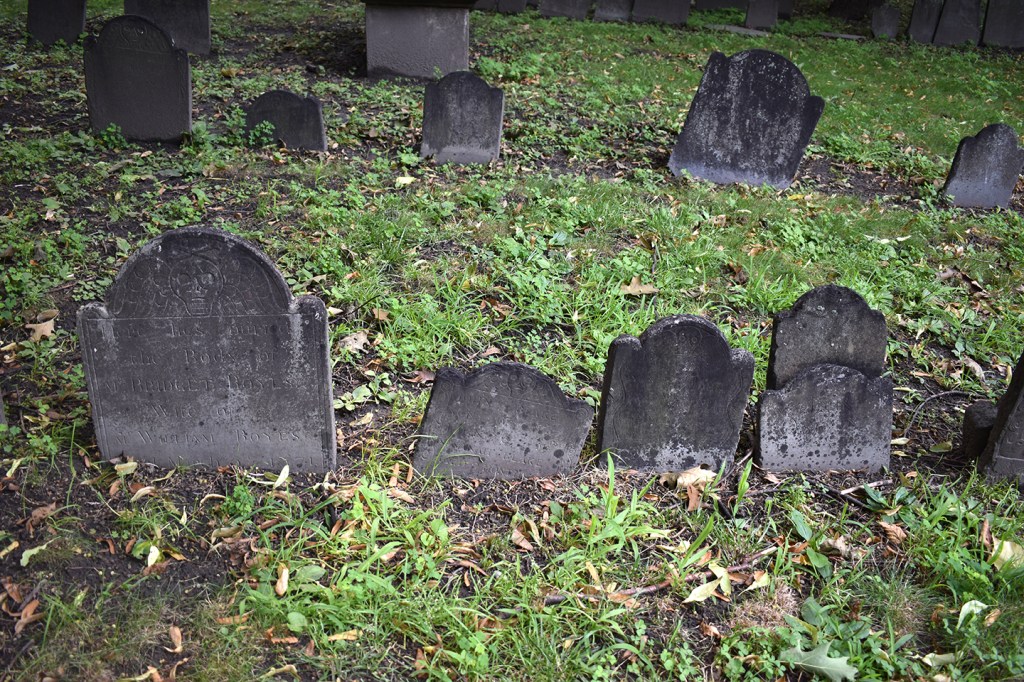
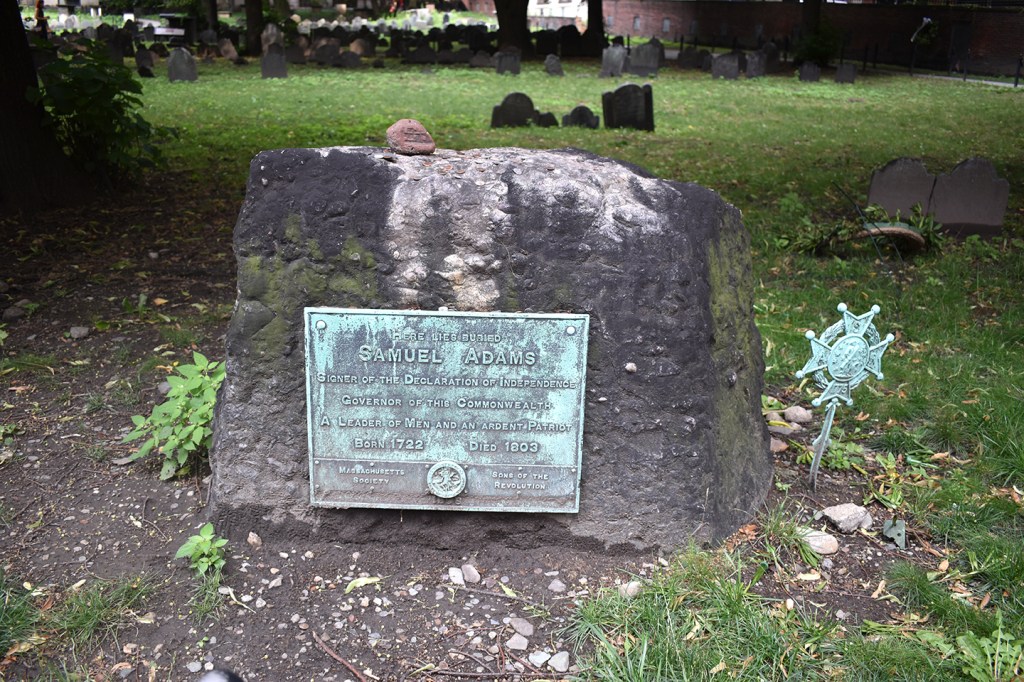
The Old Granary Burying Ground held notable names such as John Hancock and Paul Revere. As in these old cemeteries, the smaller gravestones marked children who died young.
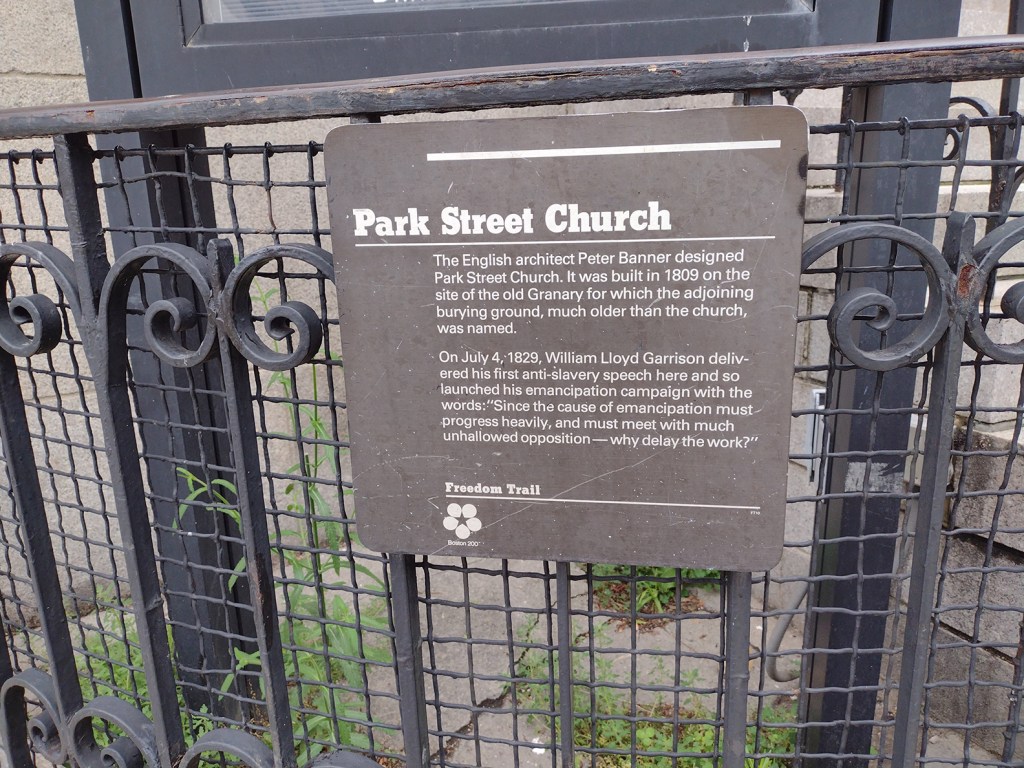
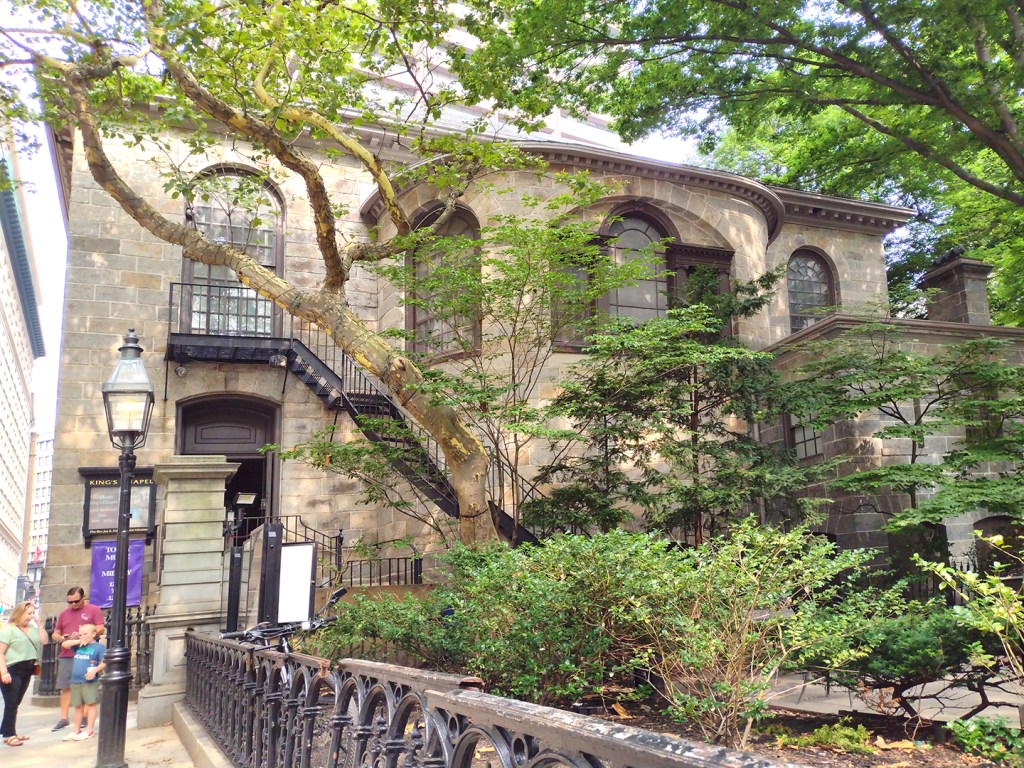
The Park Street Church was the site of a famous heartfelt early anti-slavery speech by William Lloyd Garrison in 1829.
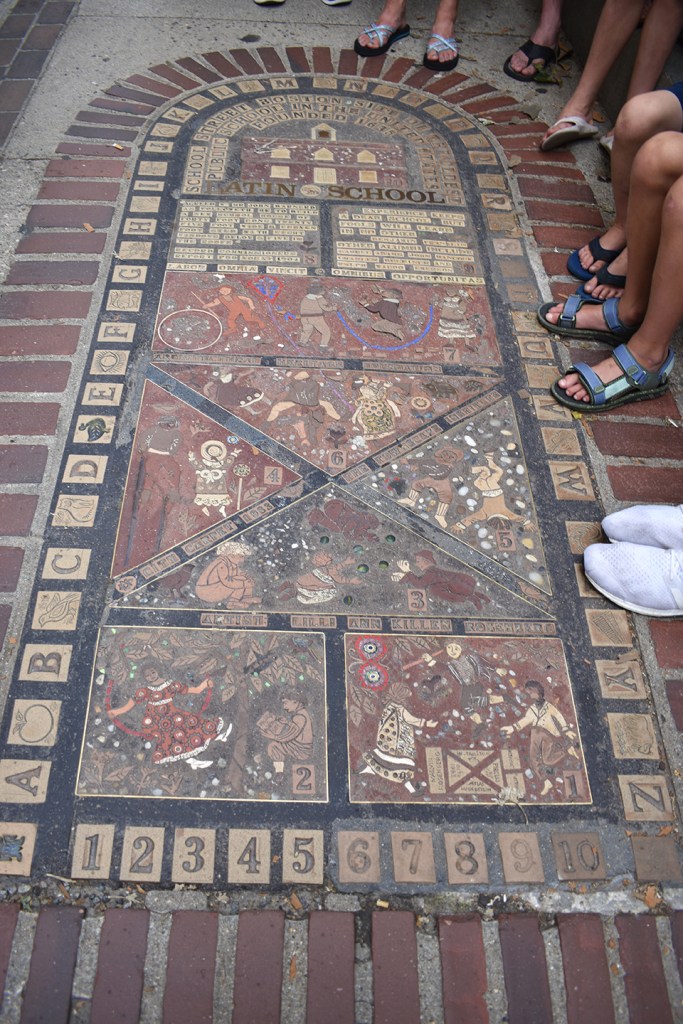
A beautiful hopscotch mosaic sits outside the site of the First Public School, then called Latin School, established in 1635 by Benjamin Franklin.

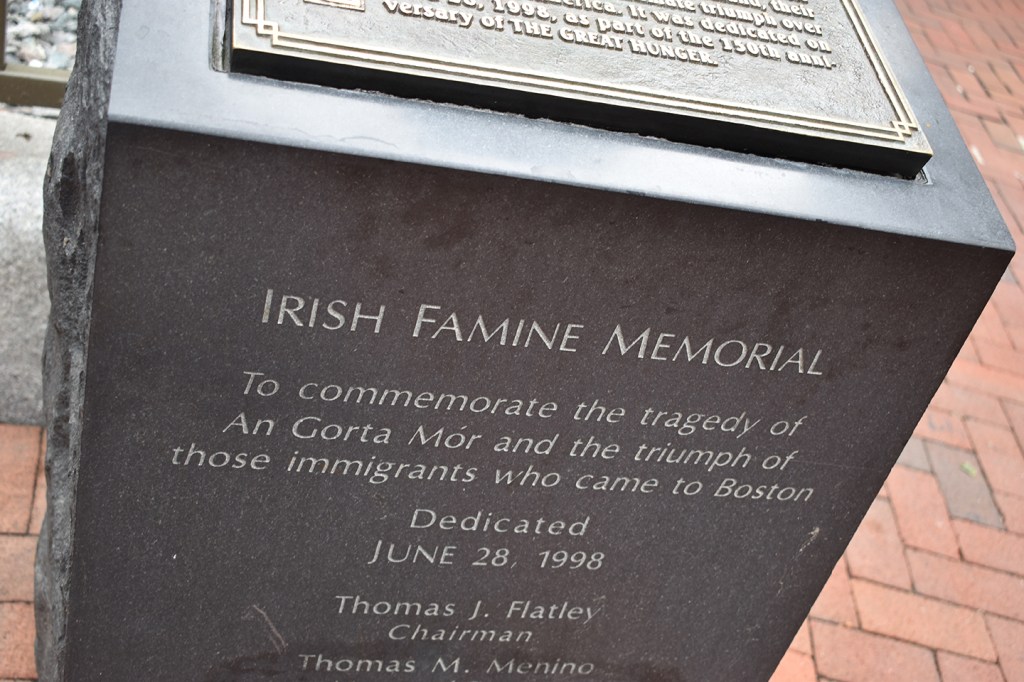
A detour for a take out lunch. Perhaps it was not appropriate to eat my lunch by the Famine Memorial.


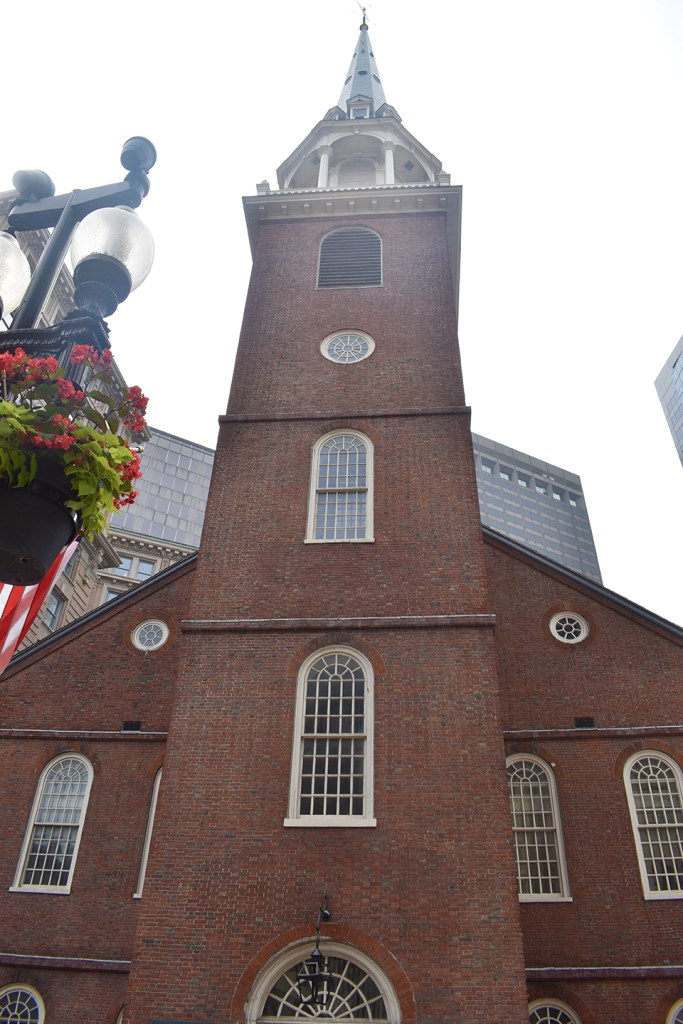
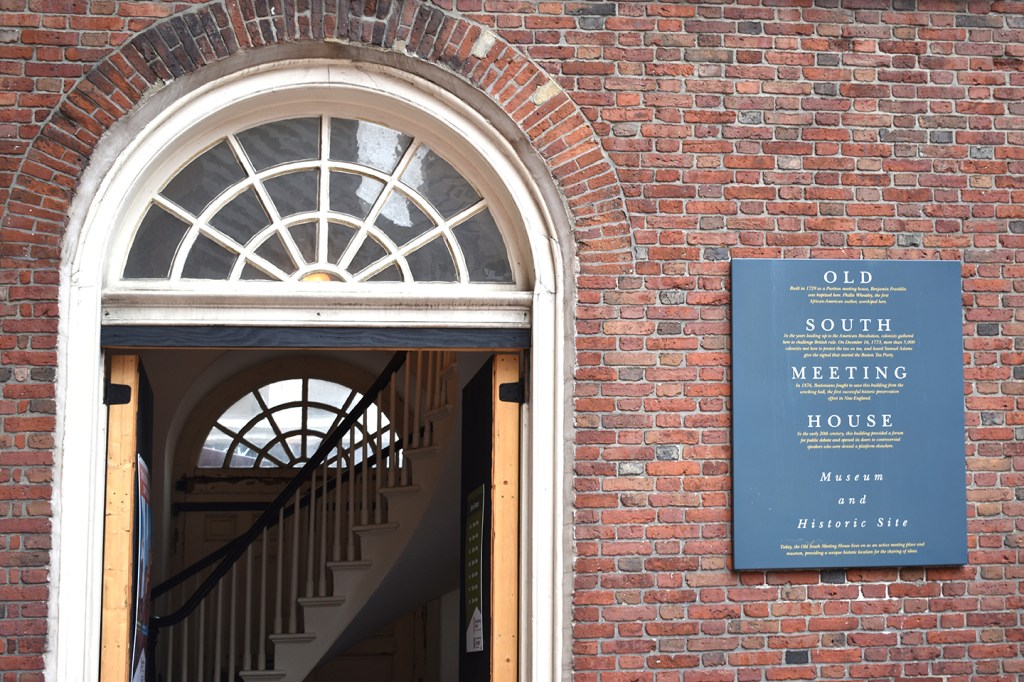
The Old South Meeting House was the site of protests and free speeches by rebelling colonists. British soldiers opened fire on a mob protesting at the Old State House, killing five people, later known as the Boston Massacre.


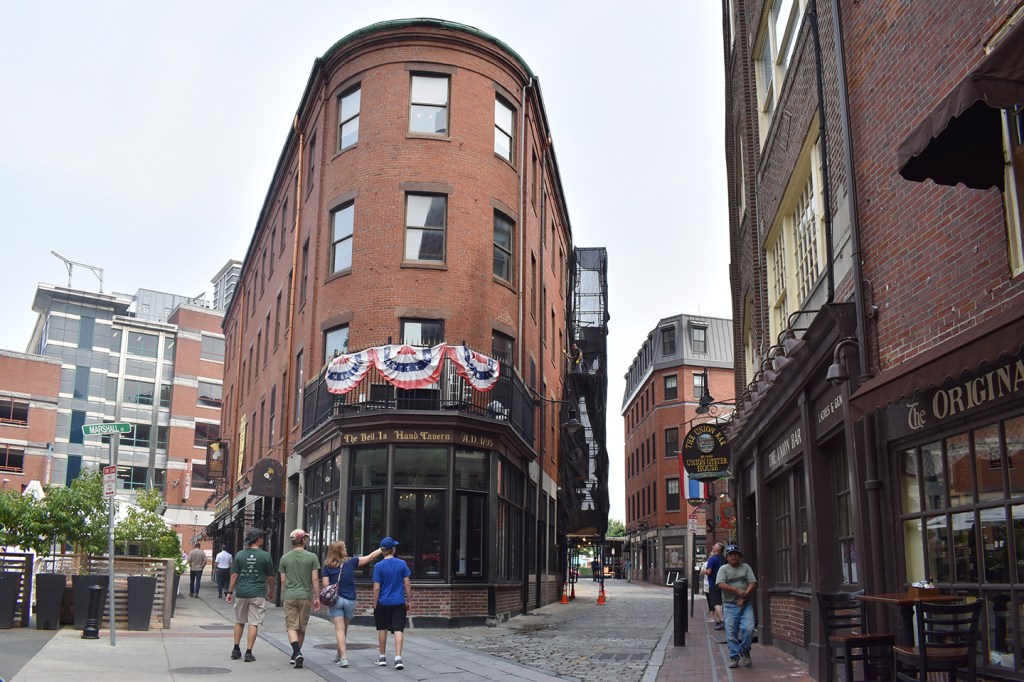
Patriotic speeches and rallies were held at Faneuil Hall, called the “Cradle of Liberty.” It’s now a marketplace inside.


My last stop was at Paul Revere’s house and I took the tour. A silversmith, Revere is known for his famous “midnight ride” on horseback in 1776 from Boston to Lexington to warn some of those who would later be known as America’s founding fathers that the British troops were coming. It was interesting to hear stories of his family and life, and see the home as it was furnished back in the day.



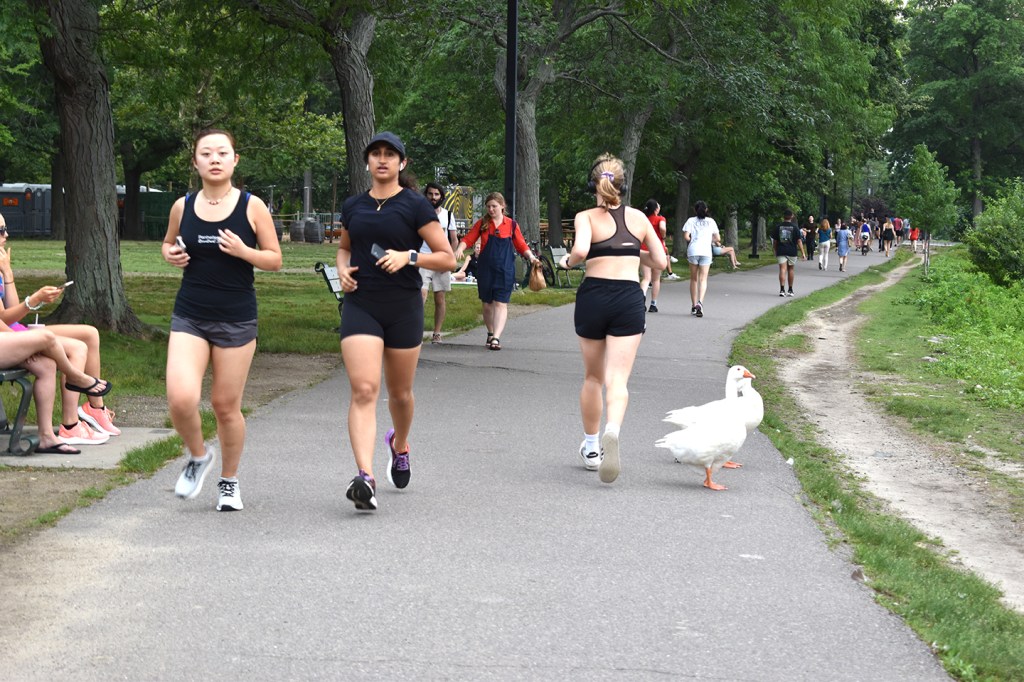
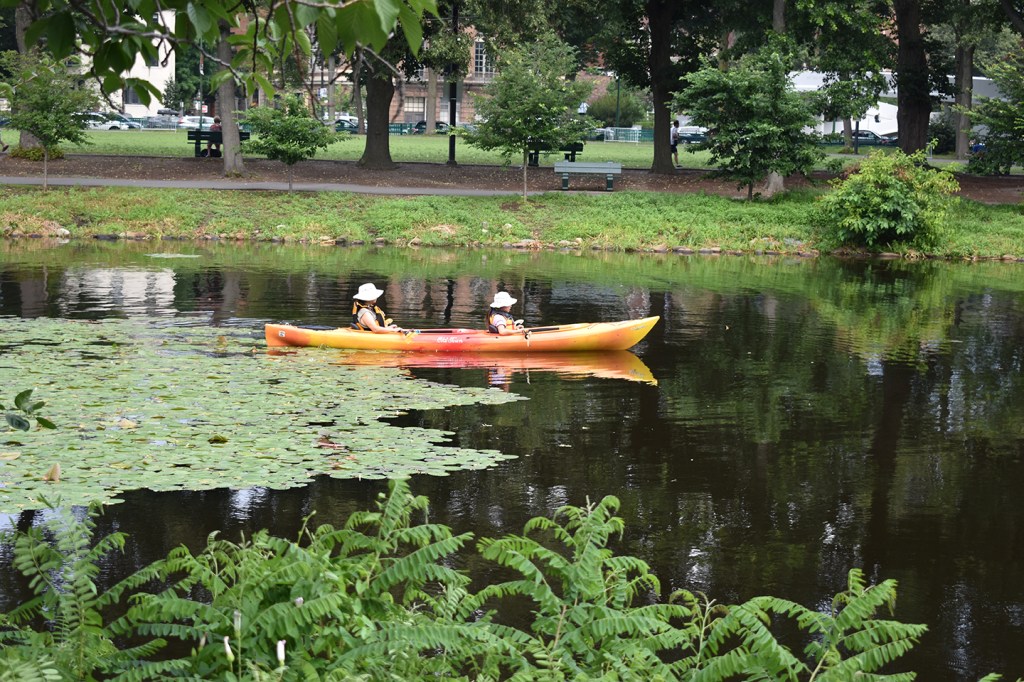
In the evening, I walked north a few blocks to the Charles River and was pleasantly surprised to find a well-tended urban park along the river called the Esplanade, popular with bikers, walkers, skaters, and boaters. The sculpture of Arthur Fiedler, long-time conductor of the Boston Pops orchestra, first struck me as Albert Einstein (smile), but after reading the plaque, it made sense.
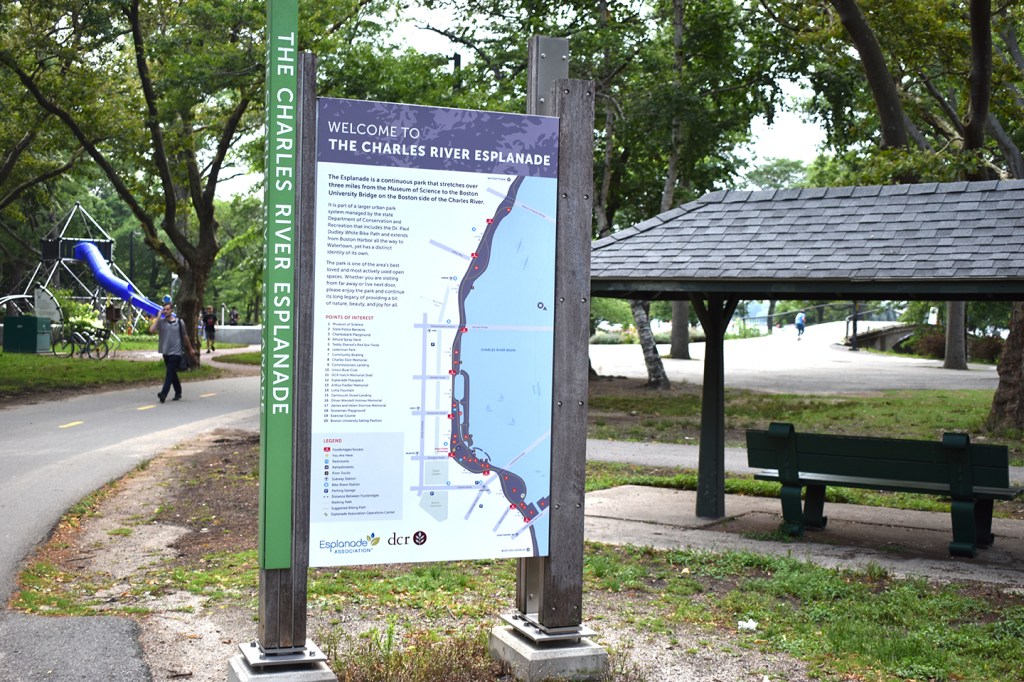

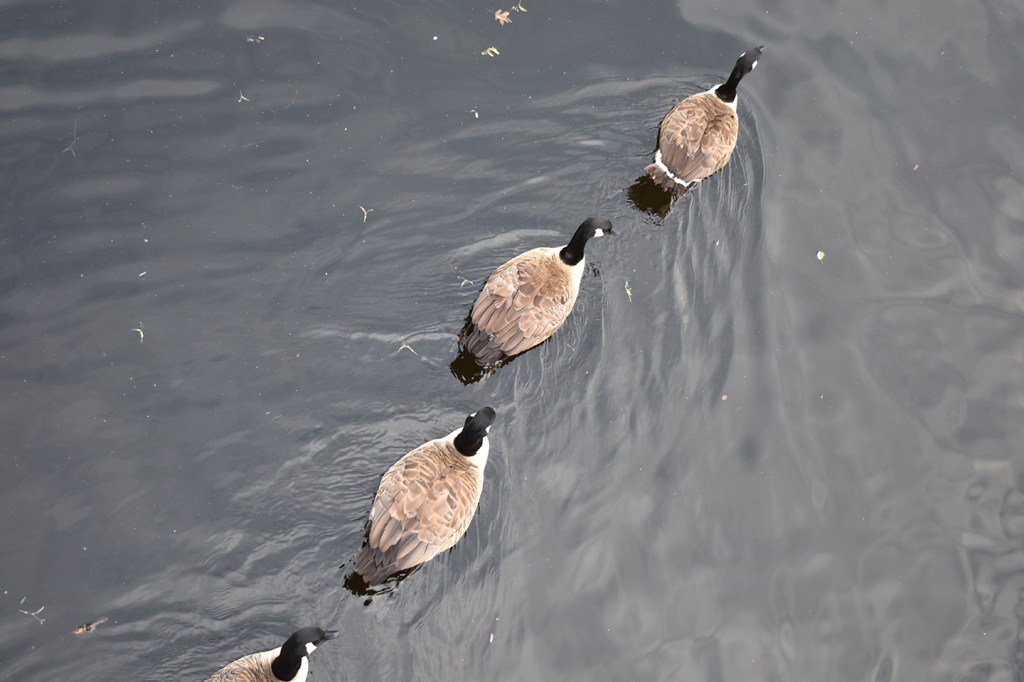
At the east end of the walk, near the bandshell, an exercise class was in session and I joined them for a while. I strolled along the Esplanade, people-watching and river-watching. A stop on a bench to enjoy the sunset, occasionally peeking out from behind clouds.



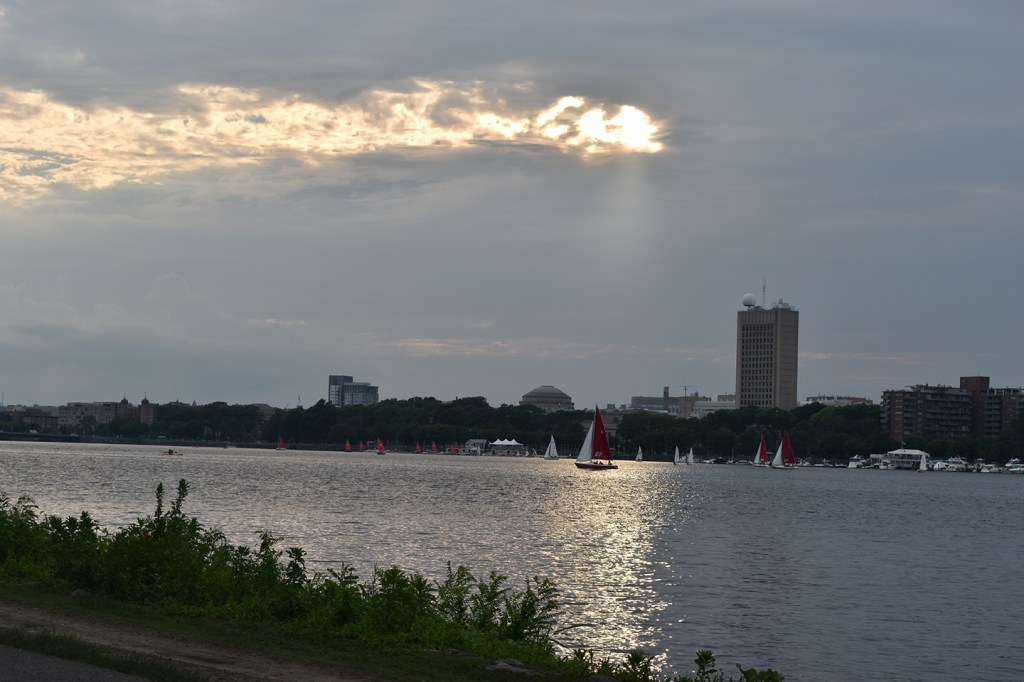
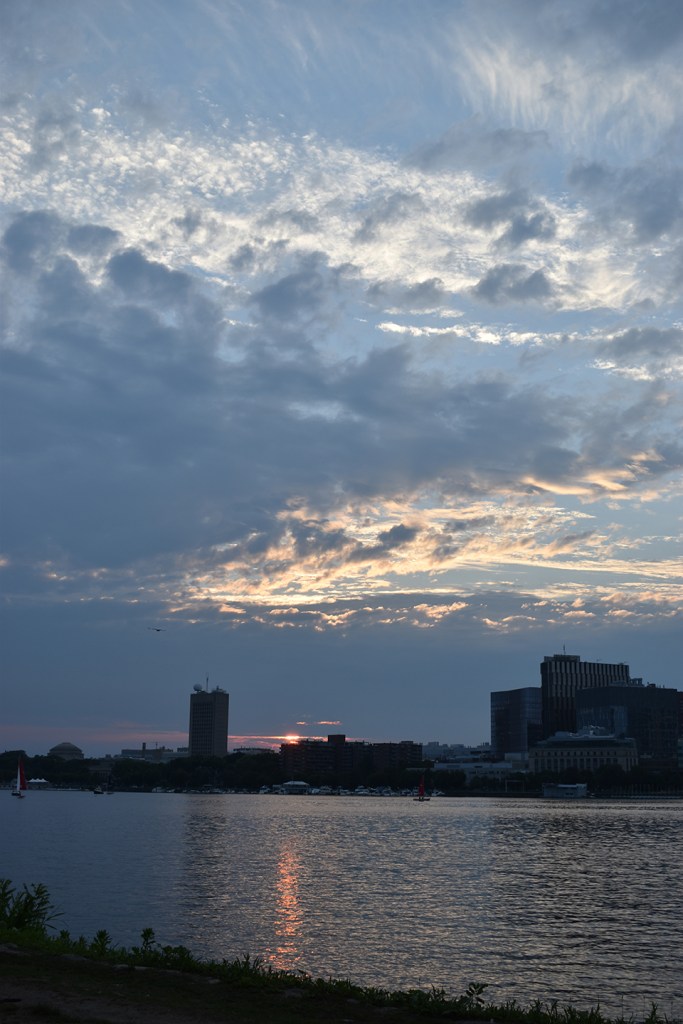
The strains of music lured me back to the bandshell. The Boston Pops, who I would learn regularly played there, was in rehearsal!
More to come…
Boston Common & Public Garden, Freedom Trail, Boston art day, Boston waterfront
Please do not download or reproduce images from this site. ©
Your comments are welcome!
Popular posts/stats/categories
Email me at: Ruth@RuthRosenfeld.com
Follow me on: Facebook Instagram BlueSky Blog
 Ruth Rosenfeld
Another awesome tour of Boston Ruth. So much history and yet so much young energy. It is good to see an old city still full of life. Thanks for sharing. Happy Saturday. Allan
LikeLiked by 1 person
It’s a vibrant city, with lots of tourists taking the trail. It looks like a great place to live.
LikeLiked by 1 person
Thanks for the tour. It covered a lot of ground.
LikeLiked by 1 person
You’re welcome. It did, I had over 16,000 steps on my pedometer that day!
LikeLiked by 1 person
What a great idea to help you explore the historic sites. I love the hopscotch tiles!!! Maggie
LikeLiked by 1 person
There was a touring kids group around the hopscotch piece, and I loved that they all lined up around it for my photo. It’s a treasure.
LikeLiked by 1 person
I love to contemplate the photos of the historical places.
LikeLiked by 1 person
There’s so many of them in Boston. This is just a small selection. Interesting to imagine when they were so active in the colonial and revolutionary days.
LikeLiked by 1 person
The “red brick stripe” reminds me of the path leading one to the Louvre (unless that path was just something Hollywood made up for “The Da Vinci Code” 🙂 I assume the Old State House is also on the Trail? I remember seeing it for the first time in person, surrounded by modern skyscrapers. An unintentionally striking setting for a grand building.
LikeLiked by 1 person
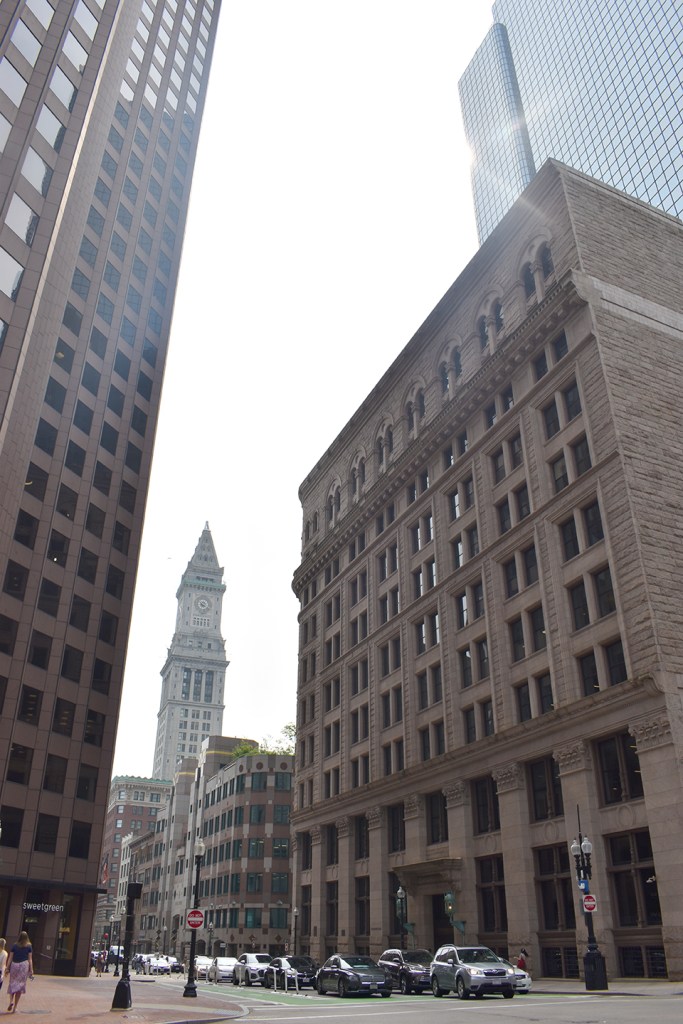
I don’t recall a stripe leading to the Louvre, but I could have missed it. The Old State House, although I didn’t mention in the text, is the vertical red brick building with the clock at the top. There is a mix of old and new buildings in almost every direction in central Boston.
LikeLiked by 1 person
You’ve reminded me that we followed that trail on our long ago visit to Boston – I’d forgotten all about it! I enjoyed seeing the historic buildings again through your eyes and also the lively street scenes.
LikeLiked by 1 person
Glad to spark a memory. It’s quite a busy, vibrant city.
LikeLiked by 1 person
So much history, especially those nearly 200 years old! Goes to show that the US has had a lot of changes over the centuries and that it’ll continue to develop as the decades go on!
LikeLiked by 1 person
Nowhere near as much history as Europe and Asia, but we do celebrate what we have! There are some good stories to tell.
LikeLiked by 1 person
Boston looks drastically different NOT in winter! I have only visited the city during the snowy, winter months for some unknown reason. After seeing your photos, I definitely must revisit when it’s warm, and not when walking outside includes painful walks in negative temperatures causing your toes to go numb, with winds that make your eyes water. I do love that your photos display the sharp contrast of old vs. new architecture, too.
LikeLiked by 1 person
I live in one of those cold places, so I can relate to your description. It’s a great walking city. I started early in the day because the afternoons were hot in summer! Thanks for your comment.
LikeLiked by 1 person
I would love to walk this trail, and I particularly love the little library.
LikeLiked by 1 person
It was informative and a bit like stepping back in time. There are tour guides available in historic dress that gave a more detailed story, but I liked the freedom to wander off or stop somewhere for a while.
LikeLike
Somehow I missed the Paul Revere House when I was there. Cool!! It’s awesome to do that trail of july 4th and watch the fireworks and boston pops. Pretty mosaic!
LikeLiked by 1 person
It’s a little further along the trail than the more central sites. My son recommended that I do the tour. (I often don’t do those.) What a spectacular place to visit for July 4th!
LikeLiked by 1 person
That was the most I’ve ever seen of Boston. It looks really interesting. And that’s the biggest Little Free Library I’ve ever seen!
LikeLiked by 1 person
It’s quite a vibrant city, and it really celebrates its history. (There… I’ve used both it’s and its in the same sentence. You can tell I was an English teacher for a while.) The little library looks like it can be locked up and wheeled away. I wonder if they move them to different spots in the city now and then.
LikeLiked by 1 person
Another outstanding post!
I loved all your photos💓
LikeLiked by 1 person
Thanks once again, Luisa! You have a good eye as well. 📷
LikeLiked by 1 person
You’re so welcome 💐💐💐
LikeLike
The Boston Freedom Trail is such a great way to see the city and learn more about its history. I’m such a fan of all the historic brick buildings and old cemeteries.
LikeLiked by 1 person
Boston has done such a great job celebrating and preserving it’s history.
LikeLiked by 1 person
Some of my Irish ancestors moved to Boston and further north during the Great Famine. Other English ancestors moved to Ipswich in the early colonial days. Must-visit-soon!
LikeLiked by 1 person
You will relate to some of this history on a personal level.
LikeLiked by 1 person
I’m forwarding your Boston posts to my friend. She’s in Boston right now and she’s done this Freedom Trail and looking for more things to do in Boston. Thank Ruth! 🙂
LikeLiked by 1 person
Thanks so much! I appreciate the share.
LikeLiked by 1 person
So much history! We’re looking forward to visiting soon! Thanks for sharing 😊
LikeLiked by 1 person
Thanks for reading!
LikeLiked by 1 person