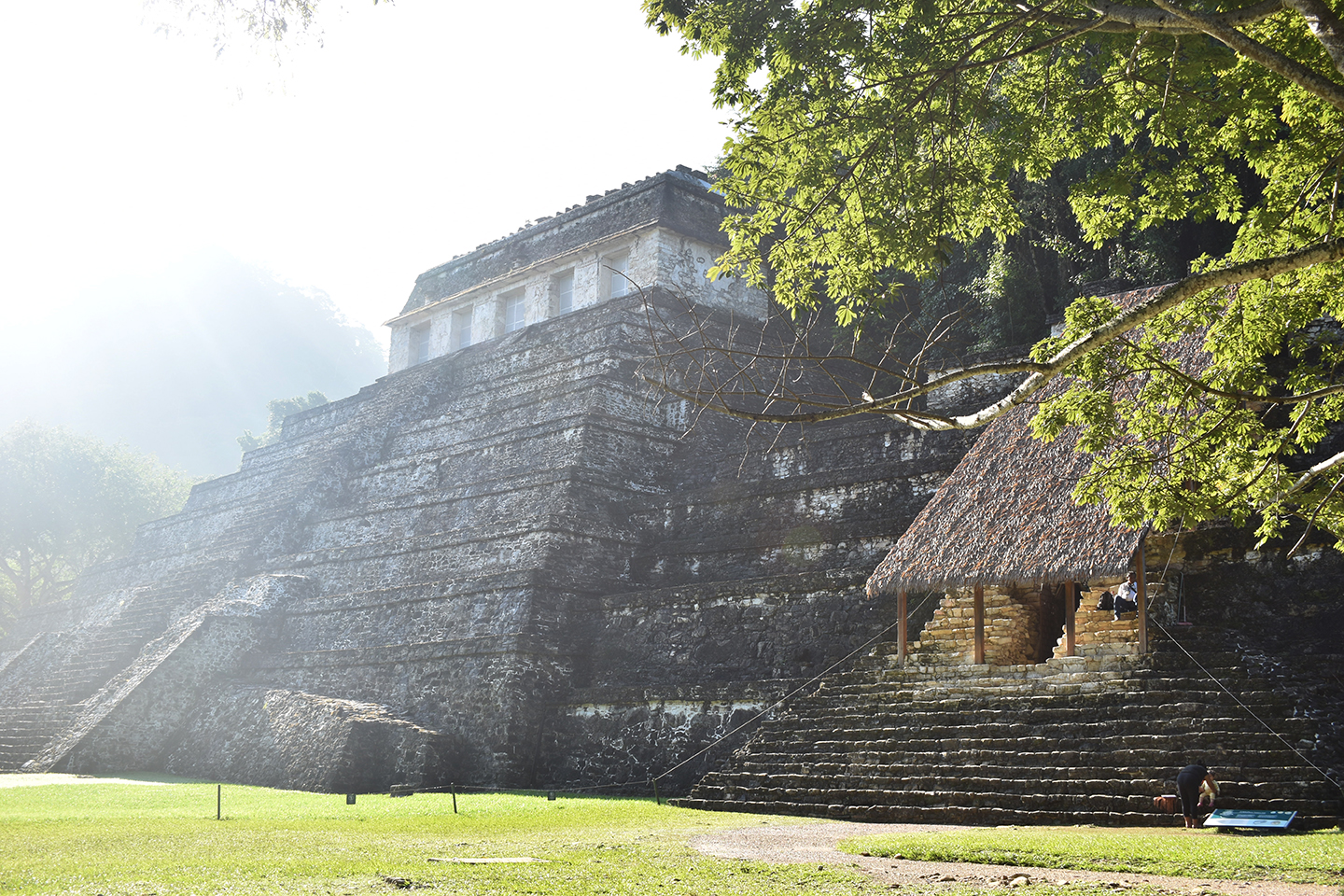
Traveling across Mexico to explore the ruins, I left the western areas inhabited primarily by the Aztec (Mexica), Zapotec, Olmec, and Mixtec peoples, and came to the land of the Mayan civilization in Chiapas in central Mexico. These structures were somewhat more familiar to me, having lived in Guatemala and visited major sites in TikalContinue reading “Palenque”
Author Archives: rkrontheroad
Agua Azul
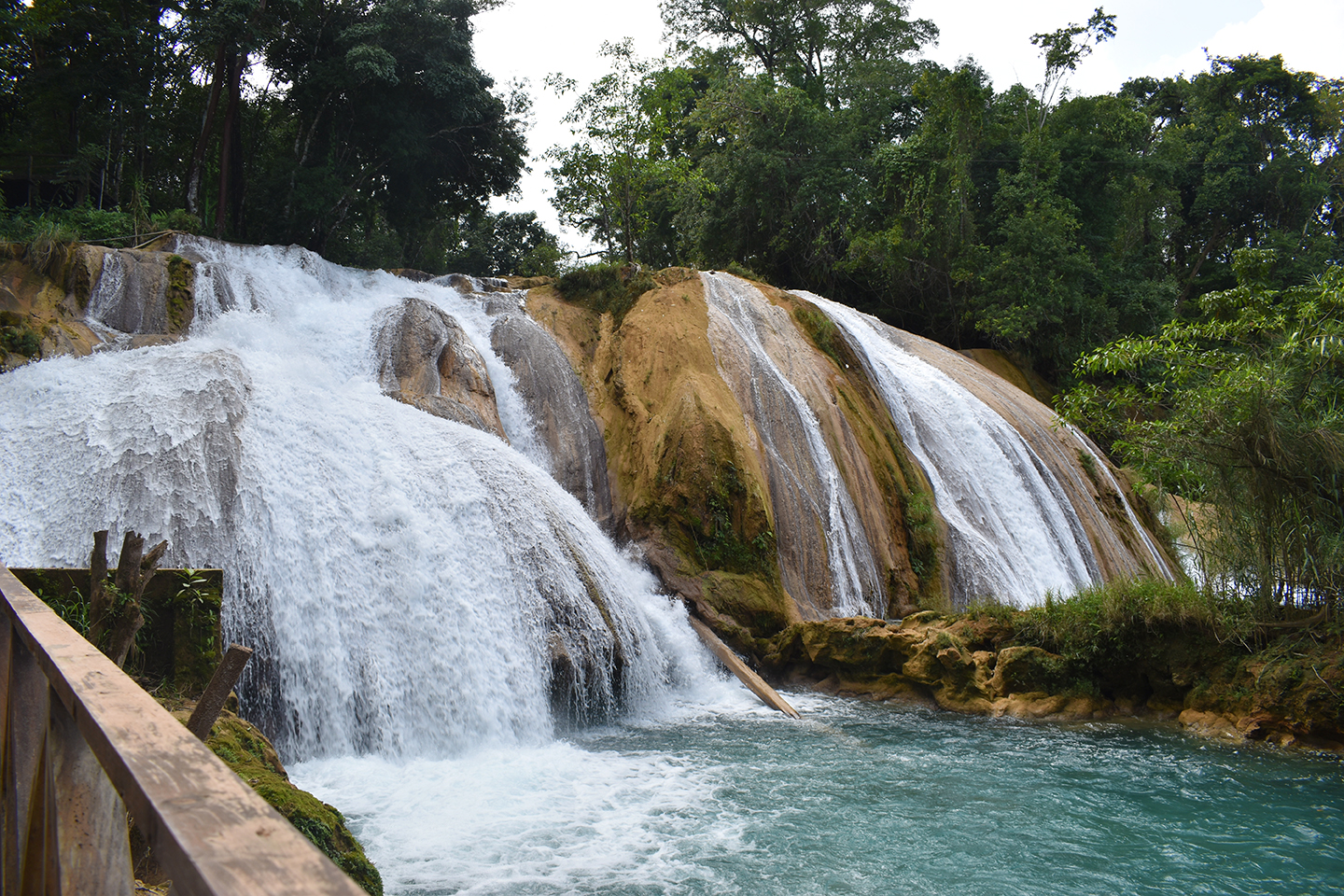
In the southern Mexican state of Chiapas, the Cascadas de Agua Azul, Cascades of Blue Water, are a series of waterfalls that tumble down the Xanil River. The area was designated a flora and fauna protected area in 2000 by the Mexican government. A refreshing stop and swim on the way to Palenque. A trailContinue reading “Agua Azul”
San Cristobal, Chamula

A visit to the Iglesia de San Juan in San Juan Chamula, in the southern Mexican state of Chiapas, was a mysterious, unforgettable morning. The Tzotzil people resisted the Spanish in 1524 and later staged a famous rebellion in 1869, attacking the nearby colonial settlement of San Cristobal. Their clothes, made by hand and locally sourced,Continue reading “San Cristobal, Chamula”
Sumidero Canyon

The Grijalva River, in the state of Chiapas, Mexico, carved the deep Sumidero Canyon over millions of years. Its towering cliffs reach up to one thousand meters high (3,200 ft). The distance from Chiapa de Corzo, the embarkation point, to the hydroelectric dam is around twenty-three miles (35 km) and takes two to three hours roundContinue reading “Sumidero Canyon”
Crossing Oaxaca
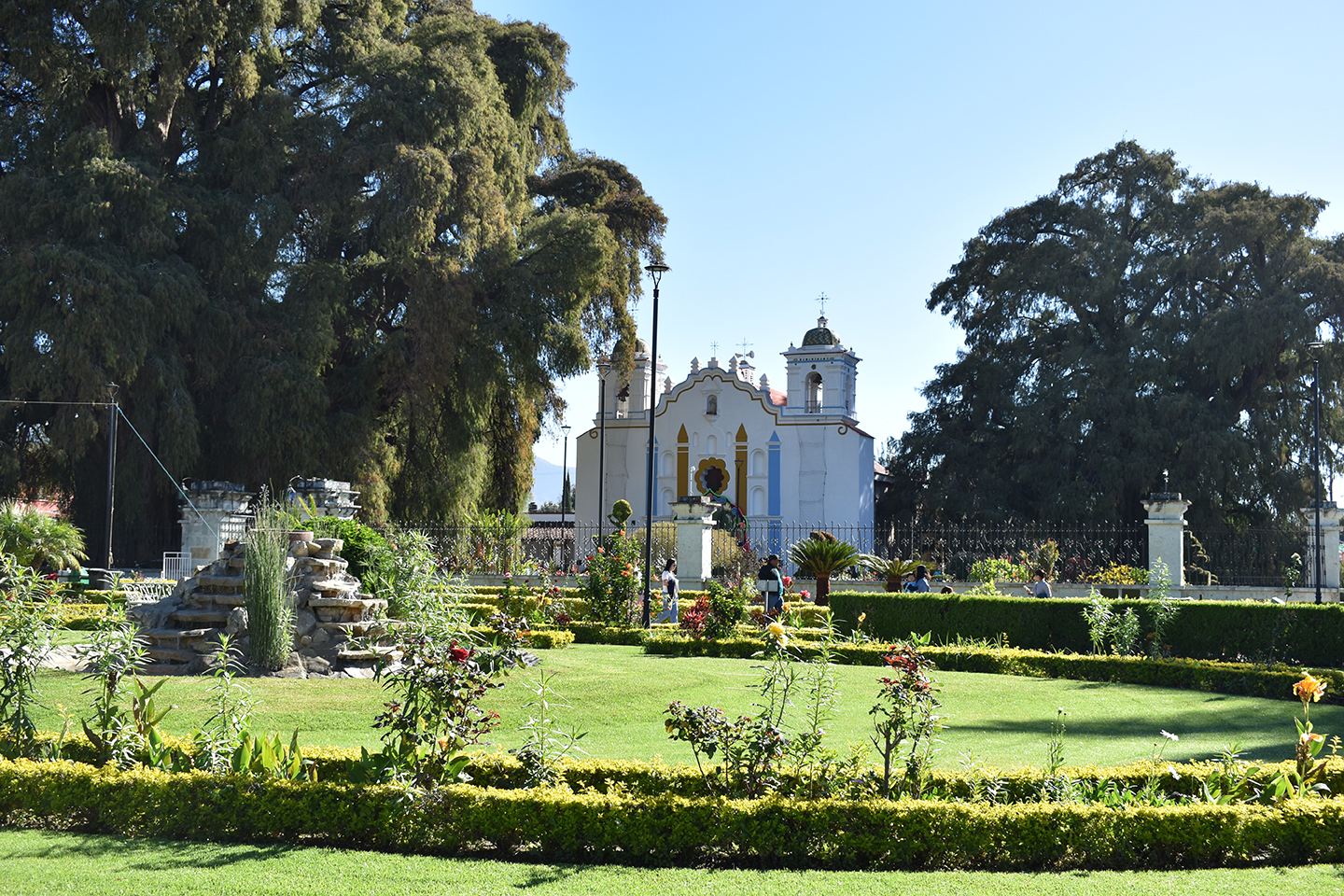
Driving across the state of Oaxaca, there were some interesting stops. The Arbol del Tule, a Montezuma cypress, or ahuehuete, has the largest trunk diameter in the world, and is over 130 feet tall. It’s on the grounds of a church at the town center of Santa María del Tule. The magnificent tree is twoContinue reading “Crossing Oaxaca”
Monte Alban

West of Oaxaca, an easy day visit, is the ancient ceremonial center of Monte Alban. Built by the Zapotecs on a leveled mountaintop, it served as their capital from 500 BCE to 800 CE. Its terraces, dams, canals, and pyramids spread over four miles. Monte Alban was home to approximately 35,000 people, most of whomContinue reading “Monte Alban”
Oaxaca
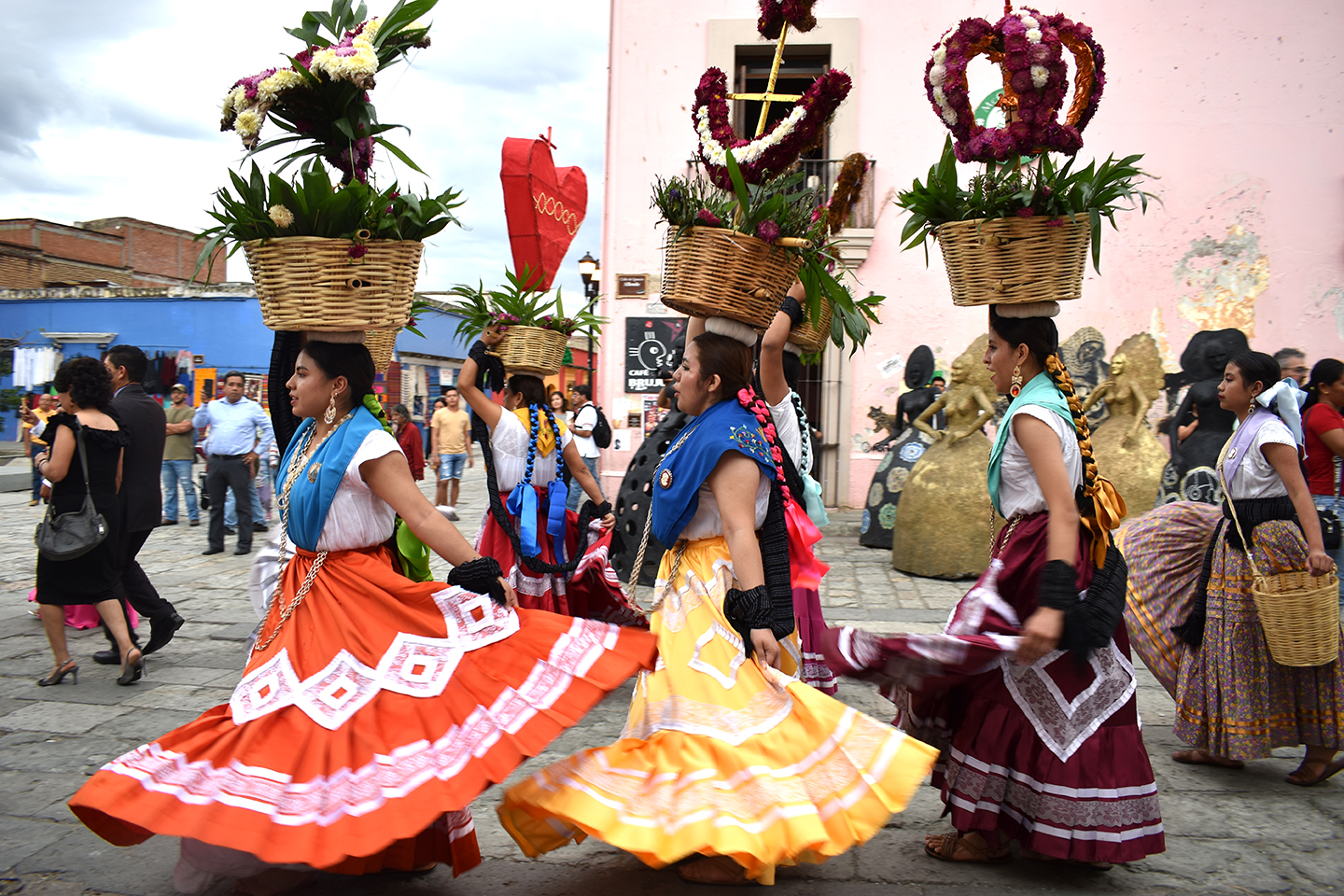
Ancestors have populated the region now called the state of Oaxaca for thousands of years. It was named Oaxaca, similar to the original Nahuatl name Huaxyacac meaning “place of the guaje trees,” by the Mexicas (Aztecs), and then inhabited by Zapotec and Mixtec who warred with each other. When the Spanish came, they imposed order andContinue reading “Oaxaca”
Cholula

On the outskirts of the town of Puebla, Mexico, is an unusual historic site. Not the uncovered ruins of a former city, although parts of the Cholula site have been excavated, but the Great Pyramid of Cholula lies beneath a hill covered with earth and vegetation, the way the Spaniards found it. They built aContinue reading “Cholula”
Puebla
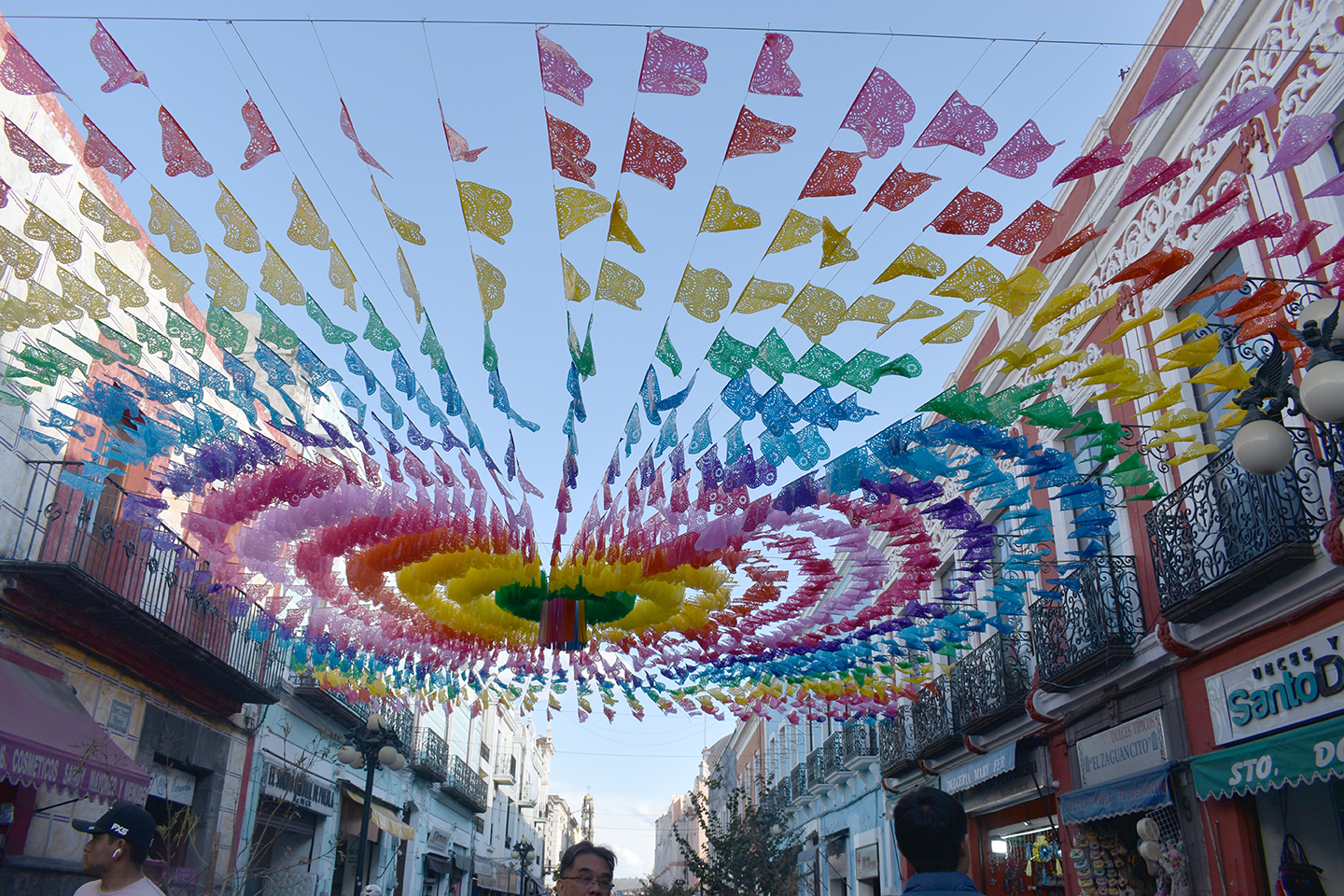
The fourth largest city in Mexico, Puebla is a pleasant place to stroll. The city was founded by the Spanish in 1531; before then, the Mexicas (Aztecs) lived in the area now known as the state of Puebla. The historic center with its classic colonial architecture is an UNESCO World Heritage Site. The main streetContinue reading “Puebla”
Tlahuac

Most tourists never discover the pueblo of San Pedro Tlahuac. Founded on a small island at the end of the 12th century, it once grew much of the food that fed the population at Tenochtitlan, modern day Mexico City. The area is home to Nahuatl descendants who are keeping their way of life alive. TheContinue reading “Tlahuac”
 Ruth Rosenfeld