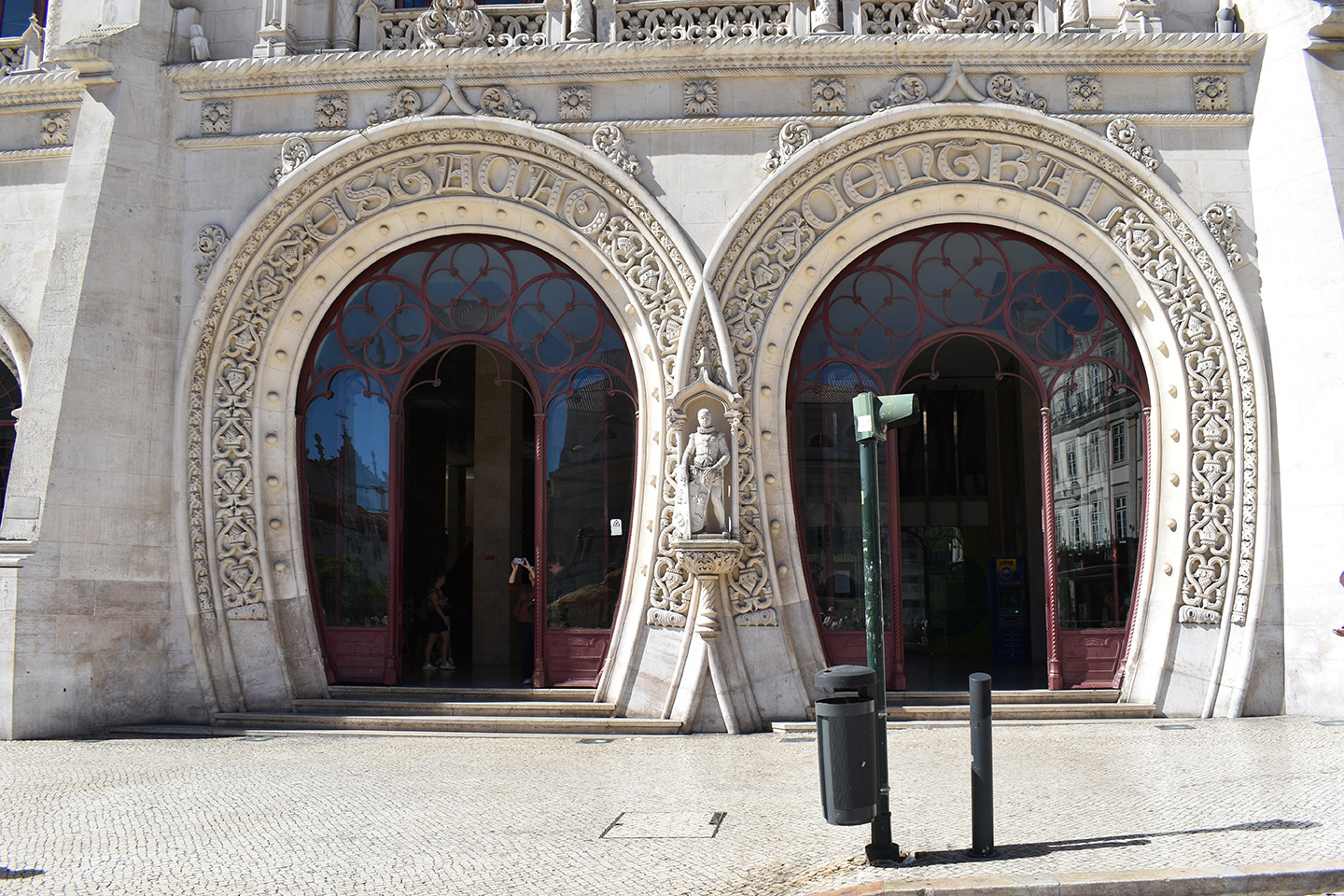
There’s something romantic about the western European cities. Sitting in a sidewalk café with a cappuchino, chairs positioned at small round tables, facing out to watch the world go by. Busy people and those just strolling, fashionable, hip, students with backpacks, business people dressed for success. And, of course, the tourists, so obvious with theirContinue reading “Lisbon”
Author Archives: rkrontheroad
No Kings, Denver

“Our lives begin to end the day we become silent about things that matter.” – Martin Luther King Jr. The Denver Post estimated 30,000 people attended the protest, and other crowds in smaller cities and towns across Colorado, and more, one news source said seven million in all, from coast to coast. Hundreds with signs,Continue reading “No Kings, Denver”
Barcelona

Some artists take generations to have their works completed. Antonin Gaudi, whose art and architecture grace Barcelona, was one of them. I hadn’t been to Barcelona for twenty-four years. But after spending a week in Spain (Madrid, Alhama), it beckoned. I had heard that there were recent protests against tourists, because it was overrun withContinue reading “Barcelona”
Alhama de Aragón

A small spa town or balneario, Alhama is located in the province of Zaragoza, Aragon, tucked between green hills. The river Jalón, a tributary of the Ebro, runs through it. Having spent many years as an English teacher abroad, I have often attended a week in Europe at an English language immersion retreat in aContinue reading “Alhama de Aragón”
Madrid
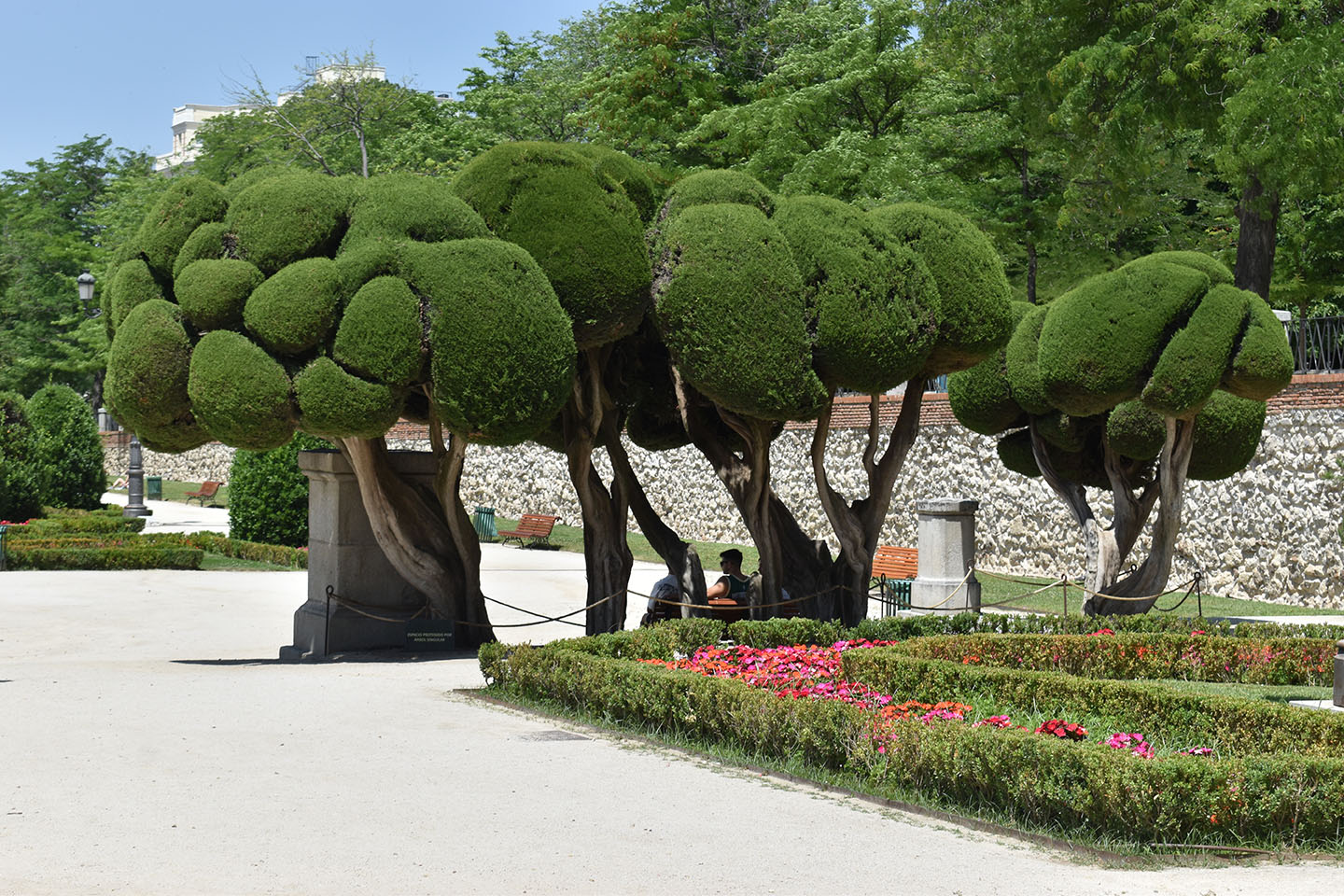
Every few years, I’ve done an English immersion week in Spain or elsewhere in Europe. This June I returned (next post). I’ve taken some time off from blogging this summer and will again soon, as I leave for another trip. I hope to catch up during the winter months. Thanks for coming back to visit!Continue reading “Madrid”
Playa del Carmen, Cenote
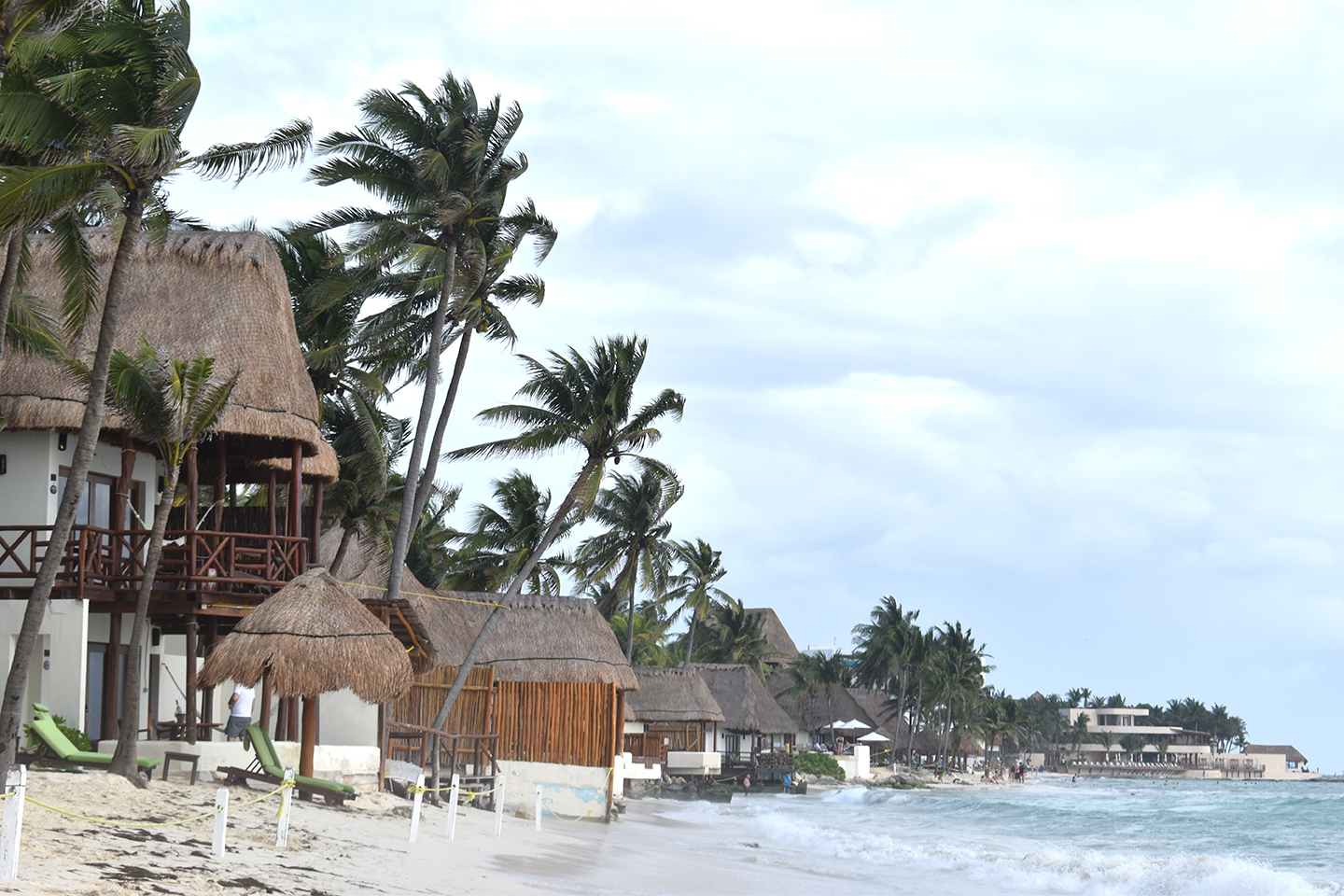
The beach town of Playa del Carmen in January was packed with tourists, touristy shops, hotels in town, resorts on the water’s edge. After a little over two weeks exploring Mexico, I finally made it to a beach. A dip in Dos Ojos Cenote, a cave pool, not far from Playa, was both refreshing andContinue reading “Playa del Carmen, Cenote”
Chichén Itzá

The most majestic and the most visited of Mexico’s Maya ruins is Chichén Itzá on the Yucatán peninsula. Its proximity to the Atlantic coast makes it a popular day trip for beach and resort tourists. So we went early in the morning to beat most of the crowds. The name means “at the mouth (or rim)Continue reading “Chichén Itzá”
Uxmal
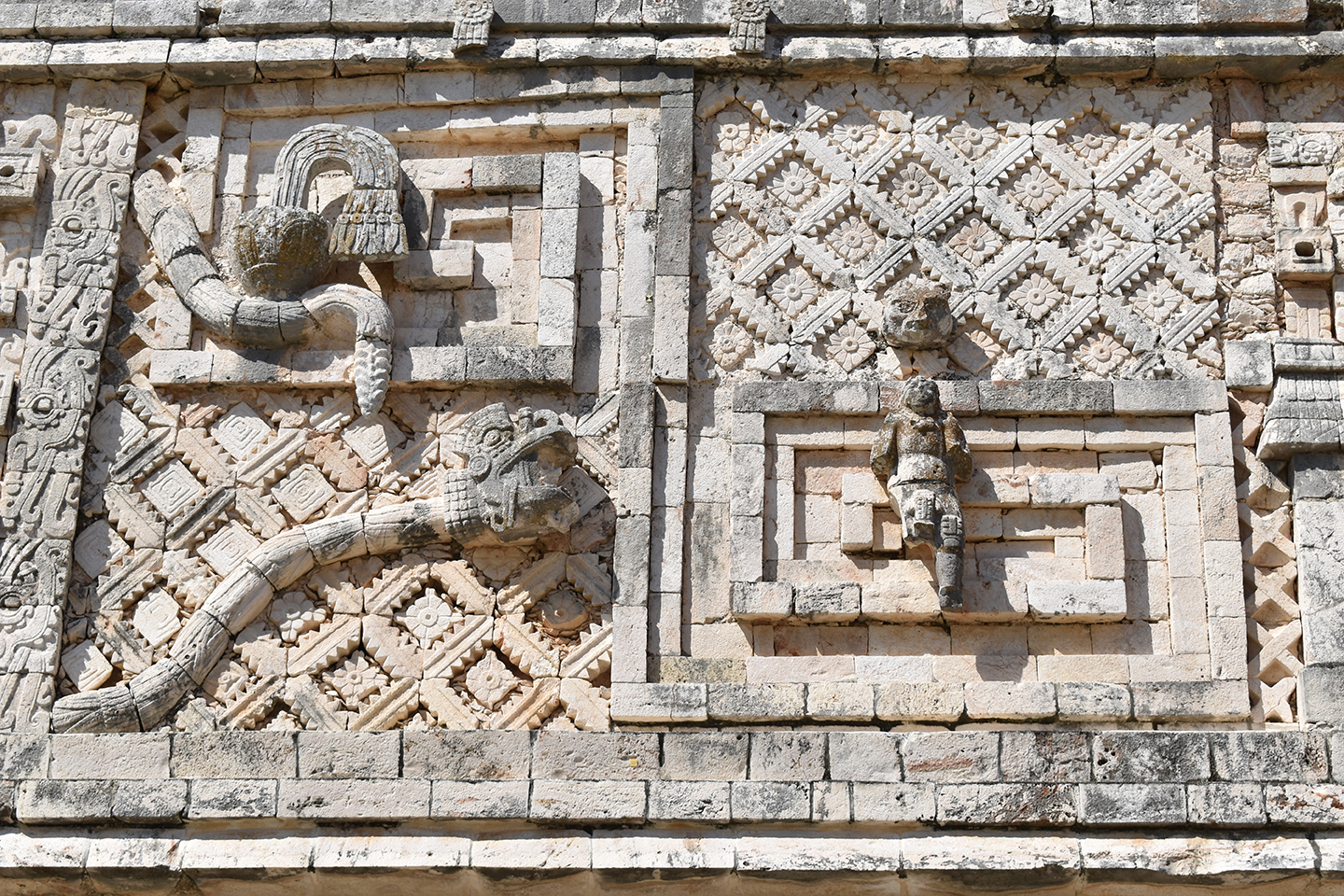
The Maya ruins of Uxmal are a one hour drive from Mérida. It’s thought that the city was constructed around 700CE, was home to around 25,000 people and once dominated the region along with Chichen Itza. The name is believed to mean “three times built,” since the site was reconstructed many times and inhabited byContinue reading “Uxmal”
Mérida
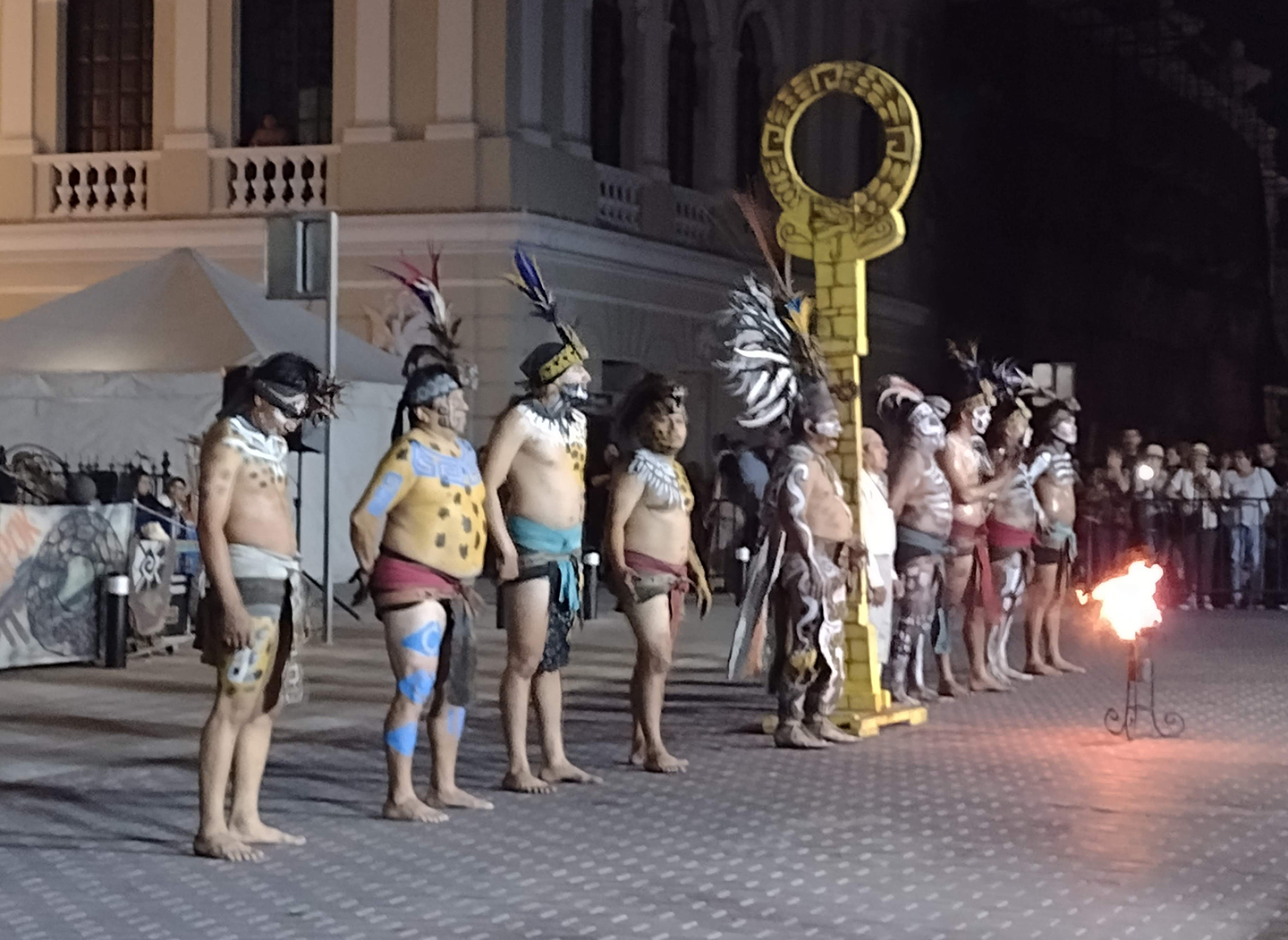
Founded by the Spanish in 1542 on the site of the ancient Maya city of Ti’ho, Mérida is the capital of the Yucatán state of Mexico, close to its northern coast. It is sometimes called La Ciudad Blanca, the White City, because many of the structures are made of limestone. Food vendors and artisan booths fill the centralContinue reading “Mérida “
Campeche

My first view of the Gulf was the harbor town of Campeche. The state of Campeche borders the west side of the Yucatan peninsula. I had definitely left the rainforest that covers central Mexico and was in the tropics: palm trees, ocean breezes, gentle waves. A relaxing, refreshing stop at the edge of the sparklingContinue reading “Campeche”
 Ruth Rosenfeld